
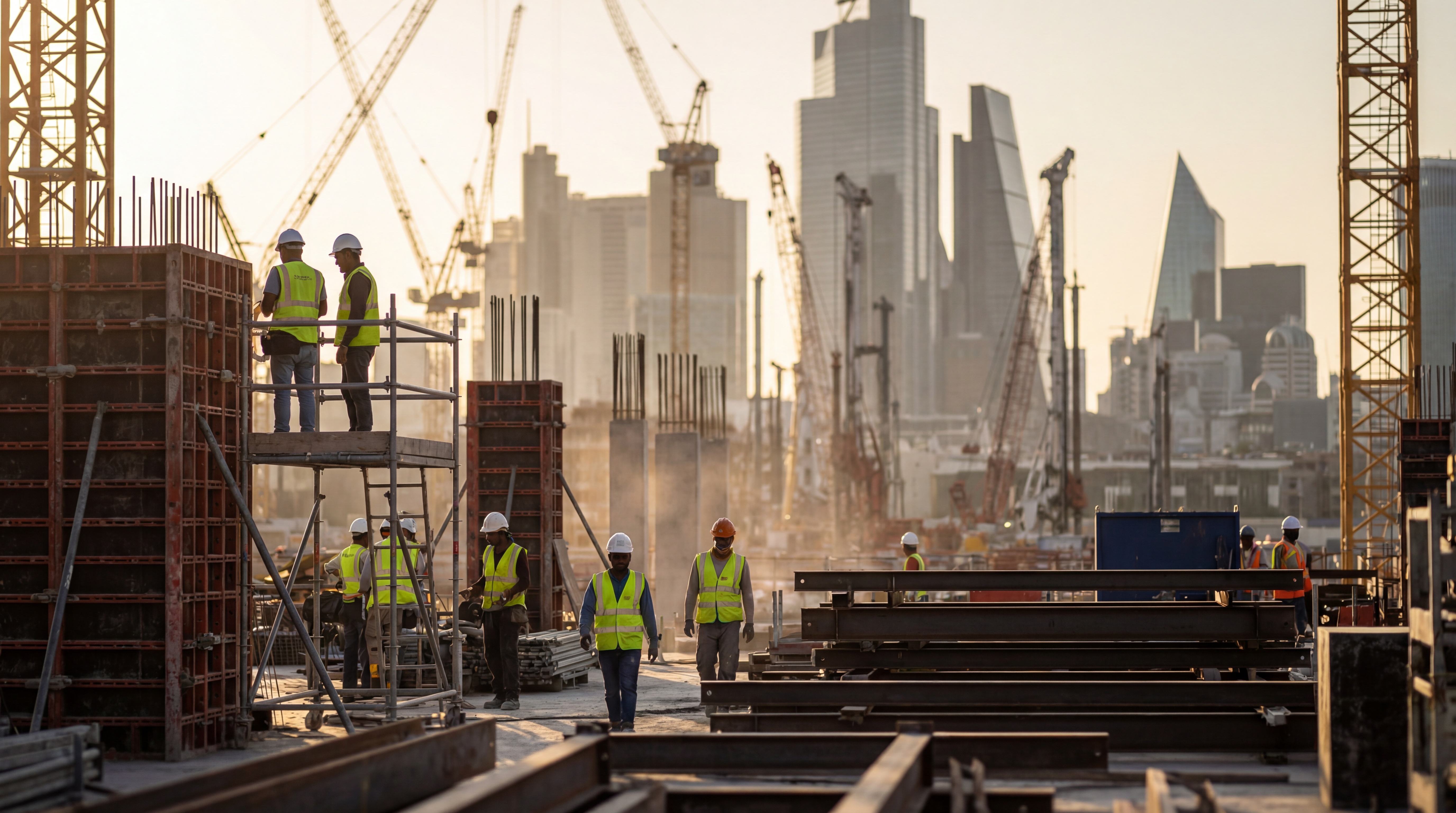

Software engineering is undergoing a profound transformation, increasingly mirroring the principles and practices of civil engineering. As AI systems grow in complexity and societal impact, developers are adopting structured, regulated, and collaborative approaches akin to those used in building bridges or skyscrapers. This shift, discussed on Hacker News, signals a future where software isn't just coded—it's engineered with rigorous oversight.
This article was inspired by "Software Engineering Is Becoming Civil Engineering" from Hacker News.
Read the original source.
Why Software Mimics Civil Engineering Now
AI systems now underpin critical infrastructure—think healthcare diagnostics, autonomous vehicles, and financial markets. A bug in these systems can cost lives or billions, much like a structural flaw in a dam. The Hacker News post, with 11 points and 4 comments, argues that software must adopt civil engineering's emphasis on safety, regulation, and long-term accountability.
Civil engineering projects require licensed professionals, standardized materials, and public oversight. Software, historically a "move fast and break things" field, is starting to face similar demands as AI's stakes rise. Governments and industries are pushing for certifications and audits, especially for AI models with societal impact.
Bottom line: Software's growing risks demand civil engineering's disciplined, regulated approach.

Key Parallels in Practice
The overlap between the two fields is becoming concrete. Here’s how software engineering is adopting civil engineering principles:
| Aspect | Civil Engineering | Software Engineering (Emerging) |
|---|---|---|
| Licensing | Required for engineers | Calls for AI developer certification |
| Standards | Building codes, safety laws | ISO standards for AI, data privacy laws |
| Collaboration | Teams of architects, engineers, inspectors | Cross-disciplinary AI teams (data scientists, ethicists) |
| Longevity | Designs last decades | Software now built for long-term maintenance |
Unlike software's early days of solo coders, modern AI projects often involve massive teams, formal documentation, and ethical reviews—mirroring civil engineering's collaborative rigor. One HN comment noted that "AI systems are now public works, not personal projects."
Challenges in the Transition
Adopting a civil engineering mindset isn't seamless. Software evolves faster than physical structures; a bridge design might stand for 50 years, while an AI model could be obsolete in 18 months. This rapid pace clashes with the slow, deliberate processes of regulation and standardization.
Another concern from the HN discussion is talent. Civil engineering requires years of formal education and apprenticeships, while software often values self-taught skills. Imposing strict licensing could stifle innovation or exclude diverse contributors, a worry echoed in 2 of 4 comments on the post.
Bottom line: Balancing software's agility with civil engineering's caution is the core tension.
"Historical Context"
Civil engineering emerged as a formal discipline in the 18th century, driven by the need to standardize infrastructure during the Industrial Revolution. Software engineering, born in the mid-20th century, prioritized speed over structure due to tech's nascent, low-stakes nature. AI's rise marks the tipping point where software's societal weight demands a similar formalization.
What HN Readers Highlight
Community reactions on Hacker News provide early insights into this shift:
- Optimism about reducing AI failures through formal processes
- Concern over bureaucracy slowing down innovation
- Interest in how ethics will be codified into software "building codes"
These points reflect a broader debate on whether software can—or should—fully emulate civil engineering's rigidity.
Looking Ahead
As AI continues to integrate into critical systems, the push for a civil engineering-like framework in software development will likely intensify. The challenge lies in crafting standards that protect society without crushing the iterative, experimental spirit that drives tech forward. This HN discussion, though small, captures a pivotal moment in redefining how we build the digital world.



Top comments (0)