
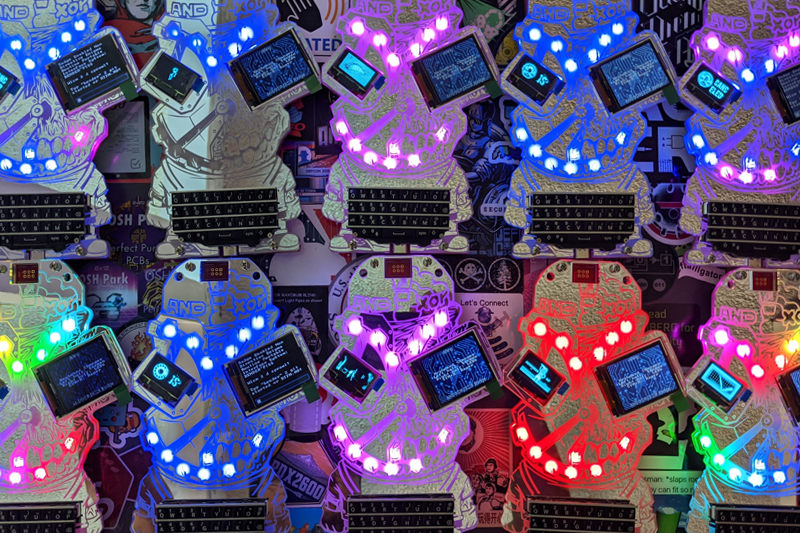

Kai Pereira, an independent developer, released open-source PCB badges designed for hackathons that operate without any power source. These badges use passive components to display information, eliminating the need for batteries or external power. This innovation addresses common challenges in event electronics, where power constraints often limit creativity.
This article was inspired by "Show HN: I made open source, zero power PCB hackathon badges" from Hacker News.
Read the original source.
What These Badges Offer
The badges are printed circuit boards (PCBs) that leverage zero-power technology, such as e-ink or bistable displays, to remain visible without energy input. Pereira's design includes customizable layouts for hackathon participants, with features like LED indicators or simple sensors that activate only when needed. The project gained 55 points and 7 comments on Hacker News, indicating strong community interest in energy-efficient hardware.
Bottom line: First open-source badges to achieve true zero-power operation, making them ideal for prolonged use in events.
How They Work in Practice
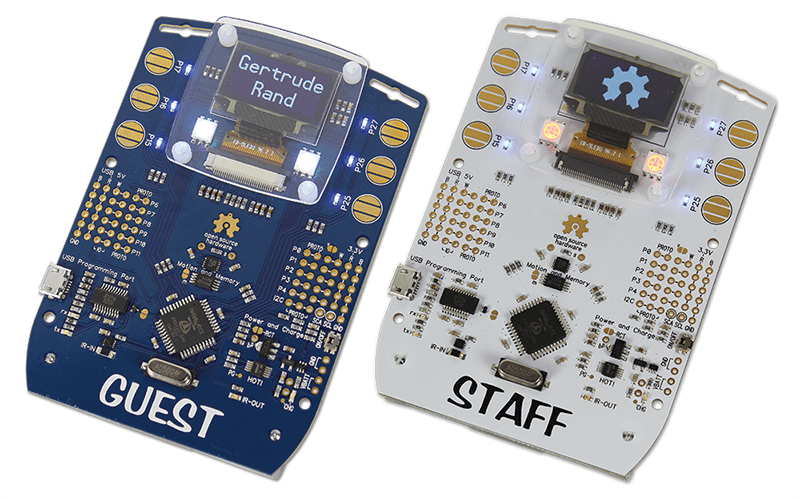
These badges rely on passive electronics, where components like bistable LCDs hold their state without power, contrasting with traditional badges that consume 5-10 mW continuously. Users can program the badges via standard tools like KiCad for PCB design and upload custom firmware if active elements are added. For AI developers, this means integrating low-power displays into projects, such as AI-driven wearables that minimize energy use during demos.
| Feature | Pereira's Badges | Typical Hackathon Badges |
|---|---|---|
| Power Consumption | 0 mW (passive) | 5-10 mW (active) |
| Customization | Full (open-source) | Limited (proprietary) |
| Cost per Unit | Under $5 (estimated from materials) | $10-20 (including batteries) |
| Lifespan | Indefinite (no power drain) | 8-12 hours (with battery) |
Community and AI Relevance
Hacker News comments highlighted the badges' potential for AI and IoT applications, with users noting their use in low-power machine learning edge devices. Early testers reported success in hackathons, praising the design for reducing environmental impact by avoiding disposable batteries. For AI practitioners, this project fills a gap in sustainable hardware, as AI inference on edge devices often requires under 1W, and these badges could serve as prototypes.
"Technical Context"
The badges use standard PCB manufacturing processes, with components sourced from suppliers like Digi-Key. Formal documentation on GitHub includes Gerber files and schematics, enabling replication with basic tools. This setup contrasts with commercial alternatives, which lack such transparency.
Why This Matters for Developers
Open-source hardware like these badges promotes accessibility in AI development, where low-power solutions are crucial for deploying models on resource-constrained devices. Pereira's work builds on trends in sustainable tech, with similar projects seeing adoption in AI conferences. By providing a blueprint for zero-power interfaces, it could accelerate innovations in AI wearables or environmental sensors.
Bottom line: A practical step toward energy-efficient AI tools, demonstrated by its quick uptake on Hacker News with 55 points.



Top comments (0)