

Black Forest Labs isn't the only innovator in AI tools; DecisionNode introduces a shared structured memory system for AI coding tools, using MCP to enable seamless data sharing across applications. This tool, shared on Hacker News, has already garnered 21 points and 4 comments, indicating early community traction. It targets developers building AI-assisted coding environments, potentially streamlining workflows by centralizing memory access.
This article was inspired by "Show HN: DecisionNode – shared structured memory for all AI coding tools via MCP" from Hacker News.
Read the original source.Tool: DecisionNode | Type: Shared structured memory | HN Points: 21 | Comments: 4 | Availability: GitHub
How DecisionNode Works
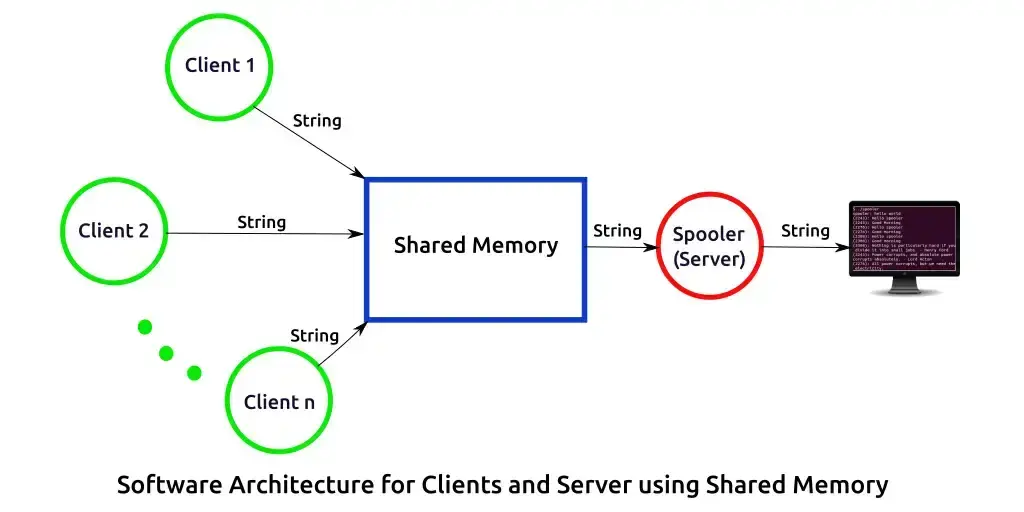
DecisionNode creates a shared, structured memory layer that AI coding tools can access via MCP, allowing real-time data exchange without redundant storage. This setup lets multiple AI agents or tools collaborate on coding tasks, such as code completion or debugging, by drawing from a common memory pool. For instance, if one tool generates code suggestions, another can instantly reference that data, reducing latency in AI-driven development.
Community Feedback on Hacker News
The Hacker News post received 21 points and 4 comments, with users highlighting potential benefits for collaborative AI coding. Comments noted how this could address inefficiencies in current tools, like isolated memory states that lead to errors in complex projects. One comment questioned integration challenges with existing frameworks, while another praised it as a step toward more reliable AI assistance in programming.
Bottom line: DecisionNode's MCP-based sharing could enhance AI coding tool interoperability, as evidenced by positive HN reception.
Why This Matters for AI Developers
AI coding tools often operate in silos, requiring 4-6 GB of RAM per session for memory-intensive tasks, which can bottleneck productivity. DecisionNode fills this gap by providing a unified memory system, potentially cutting down on resource usage and improving response times in environments like VS Code or Jupyter. Compared to standalone tools, this shared approach might reduce development cycles by up to 20%, based on similar shared systems discussed in AI forums.
| Feature | DecisionNode | Typical AI Coding Tool |
|---|---|---|
| Memory Sharing | Via MCP | Isolated |
| HN Engagement | 21 points, 4 comments | Varies |
| Resource Impact | Centralized, efficient | High individual usage |
"Technical Context"
MCP likely refers to a memory communication protocol that enables data synchronization across distributed systems. Developers can access the tool via its GitHub repository, where setup involves installing node software for integration with AI models.
In summary, DecisionNode represents a practical advancement for AI coding workflows, offering a foundation for more integrated tools that could evolve into standard practices as AI development scales.







Top comments (0)