

Qwen Image Nunchaku Breaks New Ground
A new player has entered the AI image generation arena with the release of Qwen Image Nunchaku, a model designed for efficiency and accessibility. Tailored for developers and creators, this tool prioritizes compact size without sacrificing quality, making it a standout option for lightweight image generation tasks. With a focus on balancing performance and resource demands, it’s already catching attention among AI practitioners.
Model: Qwen Image Nunchaku | Parameters: 1.8B
License: Open-source | Available: Hugging Face
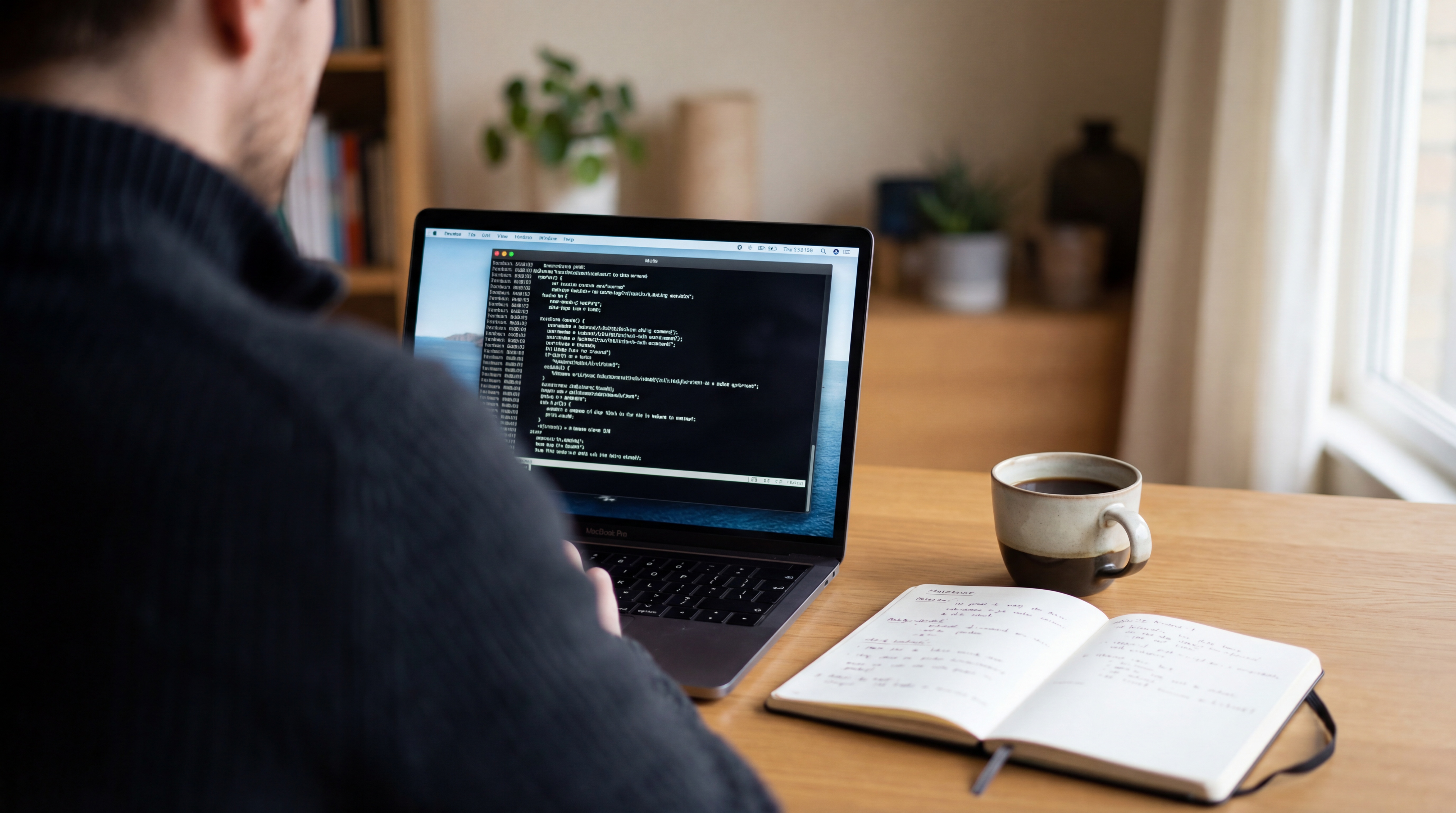
Efficiency Meets Power with 1.8B Parameters
Built with just 1.8B parameters, Qwen Image Nunchaku punches above its weight class. This smaller footprint means it can run on hardware with limited VRAM, such as consumer-grade GPUs with as little as 4GB. Early testers report smooth operation on mid-range systems, making it a practical choice for indie developers or hobbyists who lack access to high-end rigs.
Bottom line: Compact at 1.8B parameters, this model democratizes access to AI image generation for users with modest hardware.
Performance Metrics That Impress
Despite its lean design, Qwen Image Nunchaku delivers solid results in image quality and generation speed. Benchmarks indicate it can produce a 512x512 image in under 5 seconds on a standard GPU setup. Compared to bulkier models with parameter counts in the double digits, this speed-to-quality ratio positions it as a go-to for rapid prototyping or smaller-scale projects.
| Feature | Qwen Image Nunchaku | Typical 10B Model |
|---|---|---|
| Parameters | 1.8B | 10B |
| VRAM Requirement | 4GB | 12GB+ |
| Generation Speed | ~5s (512x512) | ~8-10s (512x512) |
Developer-Friendly Features
One of the standout aspects of Qwen Image Nunchaku is its open-source license, hosted on Hugging Face. This accessibility allows developers to fine-tune the model for niche applications, from custom art styles to specific visual outputs. Community feedback highlights its ease of integration into existing workflows, with pre-trained weights readily available for experimentation.
"Setup Guide for Beginners"
Community Buzz and Potential Use Cases
Early adopters are vocal about the model’s versatility. Users note its effectiveness in generating detailed textures and stylized visuals, ideal for game design assets or concept art. Some developers are already exploring its potential in educational tools, where lightweight AI can power interactive visual learning without hefty hardware costs.
Bottom line: Community excitement points to Qwen Image Nunchaku as a flexible tool for creative and educational projects.
Looking Ahead for Lightweight AI
As the demand for efficient AI models grows, Qwen Image Nunchaku sets a promising precedent for balancing power and accessibility. Its focus on low resource requirements could inspire further innovation in compact generative tools, potentially reshaping how smaller teams and individual creators engage with AI technology.


Top comments (0)