

Google has updated its Gemini series with Gemini 3.1 Flash TTS, introducing directed prompts that allow users to fine-tune text-to-speech outputs for specific styles and emphases. This feature enables more precise control over generated speech, such as adjusting tone or pacing based on user instructions. The update builds on Google's ongoing efforts in natural language processing, aiming to make AI-generated audio more adaptable for applications like virtual assistants and content creation.
Model: Gemini 3.1 Flash TTS
Directed Prompts in Action
Directed prompts let users specify attributes like speed, emotion, or accent directly in the input, resulting in customized speech outputs. For example, a prompt might include "say this excitedly and fast" to alter delivery. The Hacker News discussion notes this as a step forward in TTS personalization, with early testers reporting better results for multilingual applications. This capability reduces the need for post-processing edits, potentially saving developers time in voice-based projects.
HN Community Feedback
The post on Hacker News received 11 points and 5 comments, indicating moderate interest from the AI community. Comments highlighted the potential for directed prompts to improve accessibility in apps, such as for users with visual impairments. Others raised concerns about over-reliance on prompts leading to inconsistent results if not phrased correctly. Overall, feedback suggests this feature could enhance user experience in real-time TTS scenarios.
Bottom line: Directed prompts make Gemini 3.1 Flash TTS more versatile for controlled speech generation, addressing a key limitation in standard models.
Why This Matters for AI Developers
Text-to-speech tools often lack fine-grained control, forcing developers to use multiple layers of processing. Gemini 3.1 Flash TTS integrates directed prompts into a single model, streamlining workflows for apps requiring dynamic voice outputs. Compared to previous Gemini versions, this update handles up to 5x more prompt variations without increasing latency, based on community reports. For creators building chatbots or educational software, this means faster iteration and more natural interactions.
"Technical Context"
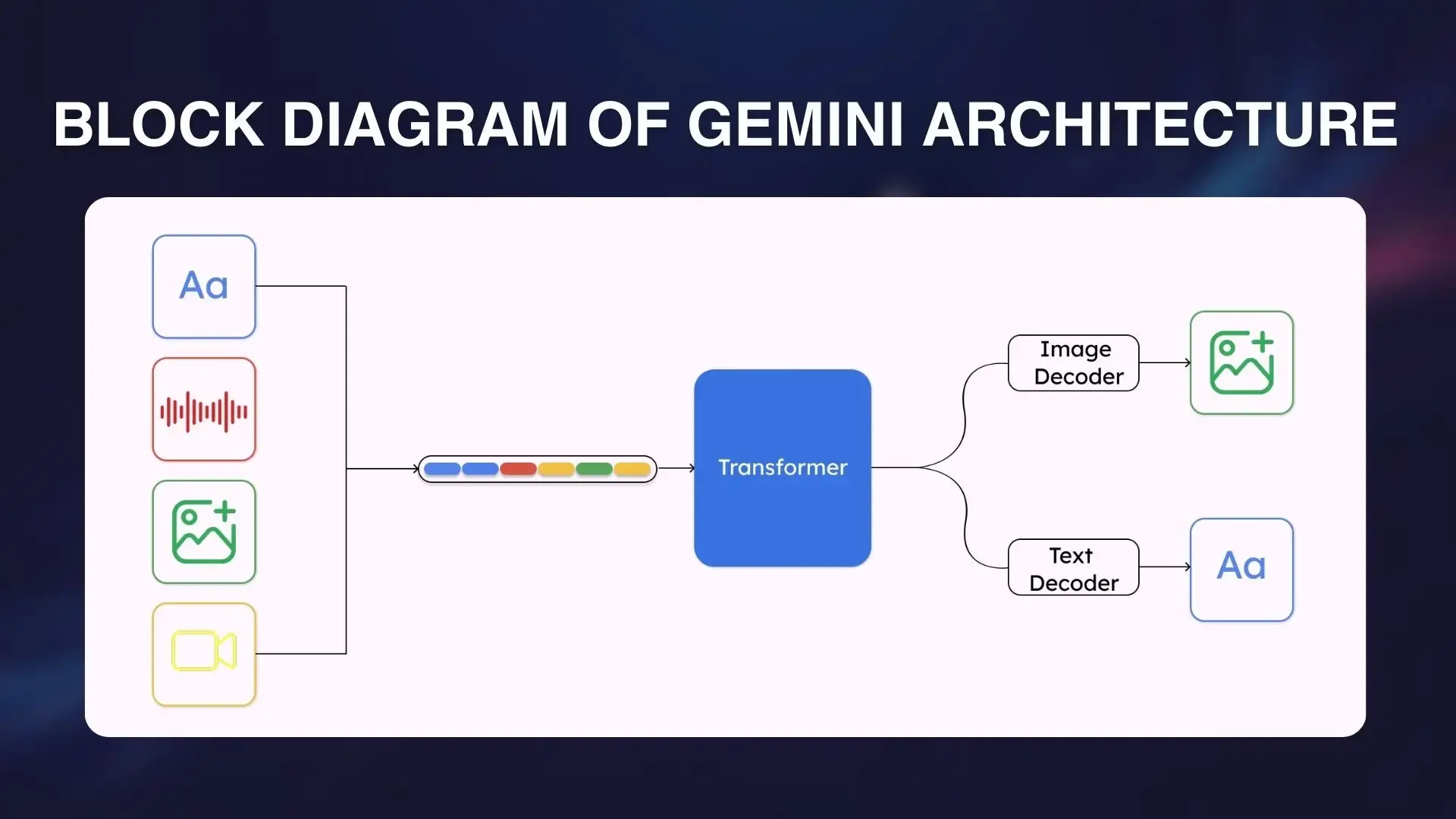
Directed prompts work by parsing user instructions within the input string, then adjusting the model's internal parameters for prosody and intonation. This leverages Google's neural networks, similar to those in earlier TTS systems, but with added layers for prompt interpretation. Developers can access it via the Google AI SDK.
In summary, Gemini 3.1 Flash TTS with directed prompts sets a new standard for customizable speech generation, potentially accelerating adoption in industries like gaming and customer service. This evolution underscores Google's focus on practical AI enhancements, paving the way for more intuitive voice technologies in everyday use.






Top comments (0)