
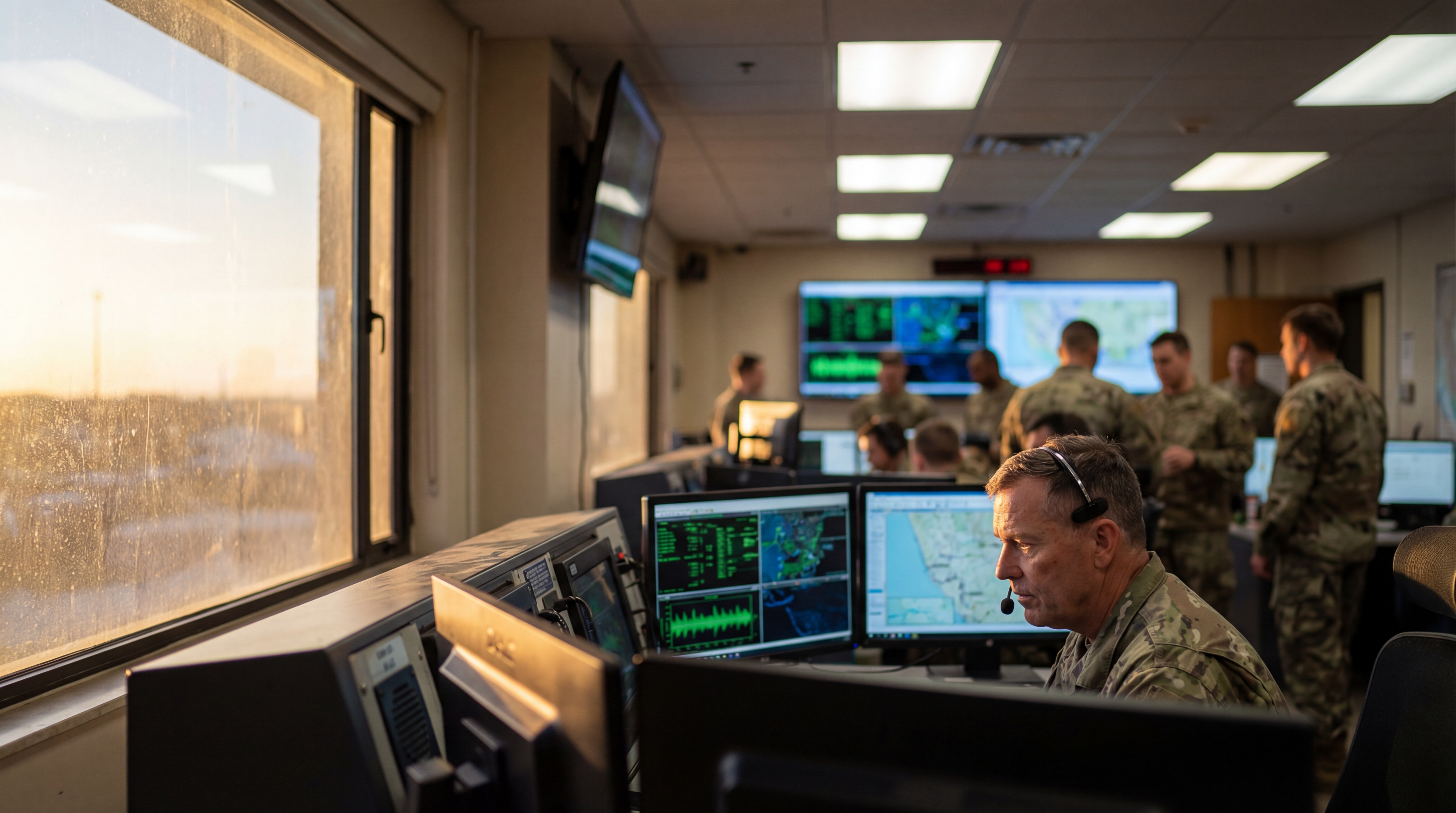

The US military is set to integrate Palantir AI technologies across its operations, marking a significant expansion of AI-driven decision-making in defense. This move aims to enhance real-time data analysis and operational efficiency, leveraging Palantir’s expertise in big data and predictive analytics. The announcement has sparked discussions about the implications for military strategy and ethical considerations in AI deployment.
This article was inspired by "US to embed Palantir AI across military" from Hacker News.
Read the original source.
AI as a Force Multiplier in Defense
Palantir’s AI tools are designed to process vast amounts of data from diverse sources, including satellite imagery, troop movements, and logistics. The goal is to provide commanders with real-time actionable insights, potentially reducing decision-making time by significant margins. While exact figures on speed or data volume aren’t public, the system’s ability to integrate disparate datasets is a known strength of Palantir’s platform.
Bottom line: Palantir AI could redefine how military operations leverage data for strategic advantage.
Scale of Integration
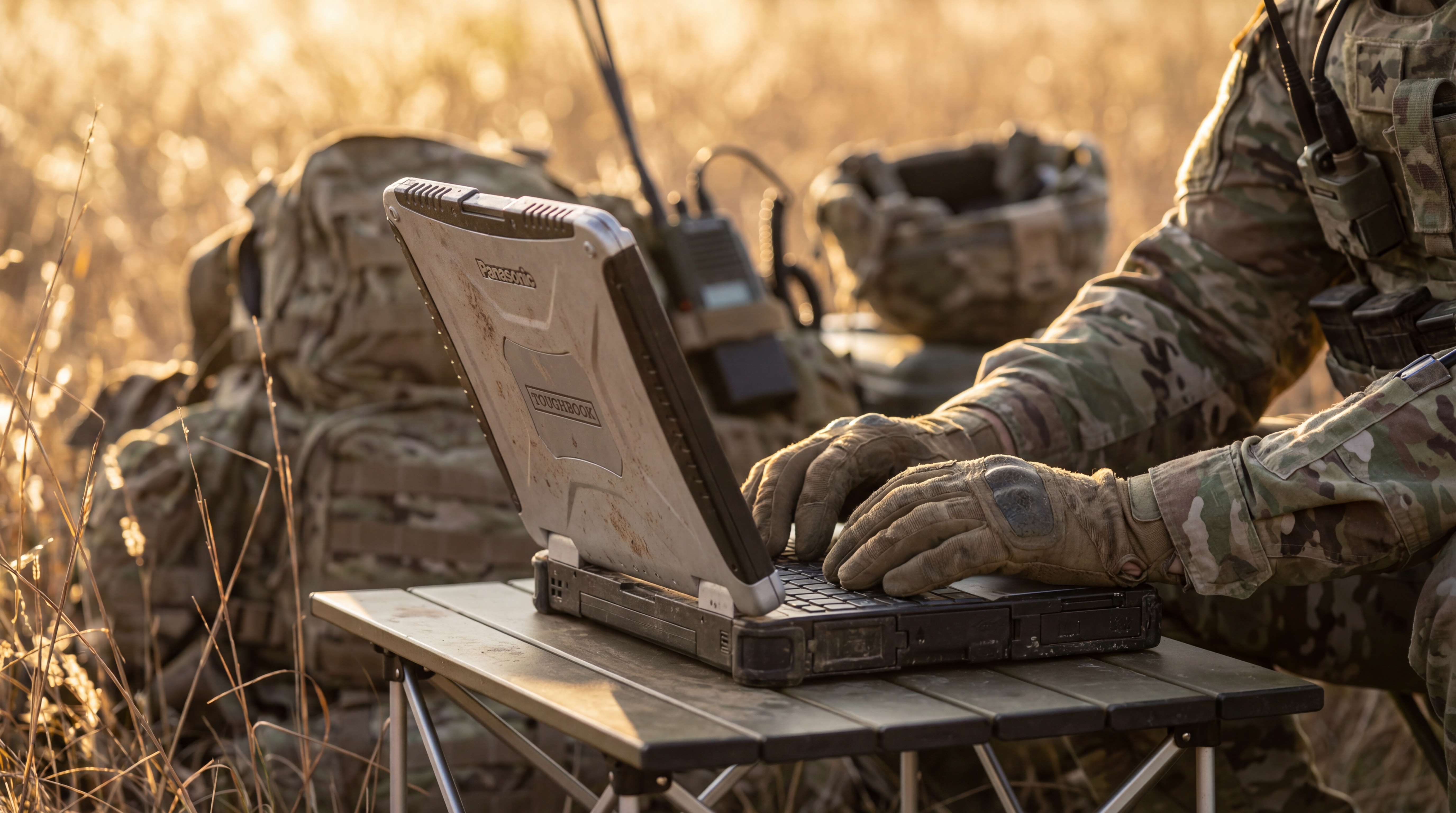
The integration will span multiple branches of the US military, embedding AI tools into both tactical and strategic layers. This isn’t a pilot program—reports suggest a comprehensive rollout affecting everything from supply chain management to battlefield analytics. The scope indicates a deep reliance on AI for future military planning, raising questions about dependency on proprietary tech.
Hacker News Community Reactions
The Hacker News thread on this topic garnered 35 points and 25 comments, reflecting a mix of intrigue and concern among tech-savvy readers. Key points from the discussion include:
- Potential for faster, data-driven military decisions in high-stakes scenarios.
- Worries over ethical implications—how much autonomy will AI have in critical calls?
- Speculation on cybersecurity risks tied to embedding a single vendor’s tech so deeply.
Bottom line: The community sees both operational promise and significant ethical pitfalls in this AI-military fusion.
Ethical and Security Concerns
Beyond operational benefits, the integration of Palantir AI raises flags about privacy, accountability, and the risk of over-reliance on automated systems. Critics in the HN thread noted that Palantir’s history with government contracts, including controversial surveillance programs, fuels distrust. There’s also the question of how much decision-making power will be ceded to algorithms versus human judgment.
"Background on Palantir’s Role"
Palantir Technologies, founded in 2003, specializes in data integration and analytics for government and defense sectors. Its platforms, like Gotham and Foundry, are used for predictive policing, counterterrorism, and now military operations. The company’s close ties to US government agencies have often sparked debates over privacy and civil liberties.
What’s Next for Military AI
As the US military moves forward with Palantir AI, the broader implications for global defense strategies and AI ethics will likely intensify. Other nations may accelerate their own AI integrations in response, potentially reshaping military tech landscapes. The balance between innovation and oversight remains a critical challenge to watch in the coming years.



Top comments (0)