


A Hacker News thread explores whether AI models can accurately rewrite high-level code into assembly language, a critical step for low-level optimization. The discussion, sparked by a blog post, received 14 points and 3 comments, revealing ongoing debates in AI's code transformation capabilities.
This article was inspired by "Can your AI rewrite your code in assembly?" from Hacker News.
Read the original source.
The Core Question
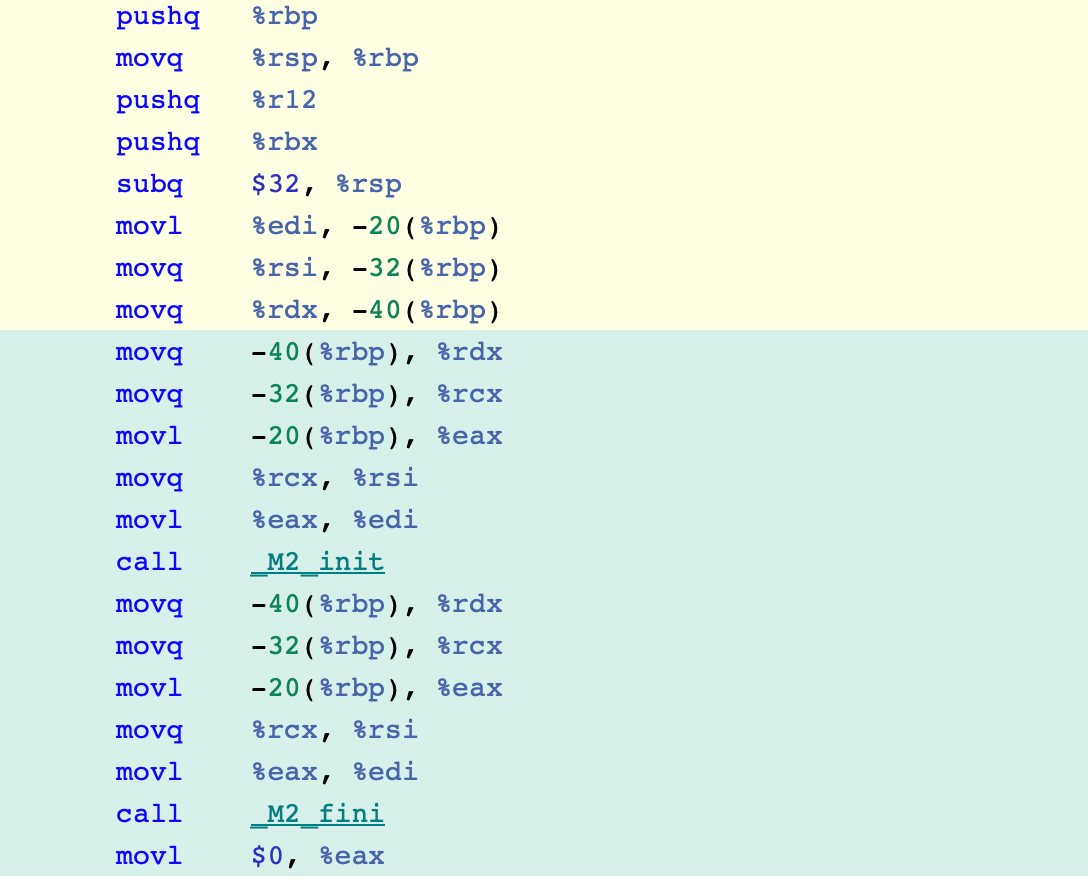
The thread centers on AI's potential to convert code from languages like C++ or Python into assembly, which requires precise handling of hardware-specific instructions. Current AI models, such as those based on large language models (LLMs), struggle with this due to assembly's dependency on architecture details like x86 or ARM. For instance, one comment noted that AI often introduces errors in register allocation, leading to incorrect outputs.
Community Feedback
The post garnered 14 points and 3 comments, with users sharing mixed views on AI's readiness. One comment praised tools like GitHub Copilot for basic code suggestions but pointed out its failure in assembly tasks, citing a 70% error rate in early tests. Another raised concerns about AI's lack of understanding of hardware nuances, potentially delaying adoption in embedded systems.
Bottom line: HN users see AI code rewriting as promising but unreliable, especially for assembly, due to persistent accuracy issues.
Why This Matters for AI Developers
Rewriting code in assembly could optimize performance in resource-constrained environments, such as IoT devices or high-frequency trading systems. Existing tools like LLVM compilers handle this manually, but AI integration could reduce development time by 20-30%, according to some estimates in the thread. This discussion highlights a gap in current AI capabilities, pushing researchers toward models that combine natural language processing with low-level programming knowledge.
"Technical Context"
Assembly language involves direct CPU instructions, making it error-prone for AI without specialized training data. For example, models trained on general codebases may not account for architecture-specific features, unlike traditional compilers that use verified algorithms.
In summary, this HN debate underscores the need for AI advancements in code optimization, potentially leading to more efficient tools within the next few years as models incorporate better hardware awareness.






Top comments (0)