
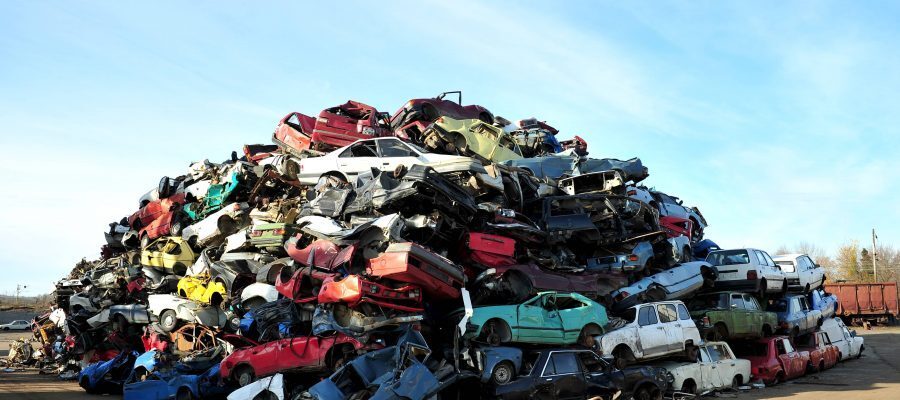

Car recycling is becoming a key part of the auto industry because it reduces waste, saves resources, and supports a circular economy where materials are reused instead of discarded. For many car owners, the real question is simple: what happens to a vehicle when it reaches the end of its life, and does recycling make a difference?
If you have an old, damaged, or unused car, recycling offers a clear solution. It ensures your vehicle is dismantled, reusable parts are recovered, and harmful materials are handled safely. This process not only benefits the environment but also creates economic value. Now, let’s explore how car recycling is shaping the future of the industry.
What Is Car Recycling And How Does It Work
Car recycling is the process of dismantling end-of-life vehicles to recover usable parts and raw materials like steel, aluminium, and plastic. This process follows a structured system that ensures maximum recovery and minimal waste.
Step-by-Step Process
Collection: Vehicles are collected from owners or scrapyards.
Depollution: Fluids like oil, fuel, and coolant are safely removed.
Dismantling: Usable parts such as engines, tyres, and batteries are extracted.
Shredding: The remaining shell is crushed and shredded into smaller pieces.
Material Recovery: Metals and other materials are separated and reused.
Each year, Australia recycles around 500,000 vehicles, according to industry estimates. This high volume highlights how essential recycling has become in managing automotive waste.
Why Car Recycling Matters For The Environment
Car recycling directly reduces landfill waste and lowers the demand for new raw materials. This helps conserve natural resources and reduces pollution.
Key Environmental Benefits
Reduces landfill waste: Around 75% of a car’s materials are recyclable.
Saves energy: Recycling steel uses up to 74% less energy than producing new steel.
Prevents pollution: Proper disposal of fluids avoids soil and water contamination.
For example, recycling one tonne of steel saves 1.5 tonnes of iron ore. These numbers show how recycling supports long-term sustainability.
Economic Impact Of Car Recycling In Australia
Car recycling contributes significantly to the Australian economy by creating jobs and supporting manufacturing industries. It also provides affordable spare parts for vehicle owners. This system supports both small businesses and large-scale industries, making it an important economic driver.
The Role Of Technology In Modern Car Recycling
Technology improves efficiency and accuracy in car recycling. Advanced tools help identify reusable parts and separate materials more effectively.
Key Innovations
- Automated shredders: Break vehicles into smaller pieces quickly.
- AI sorting systems: Identify and separate metals with precision.
- Battery recycling technology: Handles electric vehicle (EV) batteries safely.
As electric vehicles become more common, recycling systems are adapting to manage lithium-ion batteries and complex electronics.
Challenges Facing The Car Recycling Industry
Car recycling faces several challenges that affect its growth and efficiency. Addressing these issues is essential for long-term success.
Main Challenges
- Complex vehicle design: Modern cars use mixed materials that are harder to separate.
- EV battery disposal: Requires specialised handling and infrastructure.
- Market fluctuations: Scrap metal prices can vary significantly.
- Lack of awareness: Some car owners do not understand recycling options.
In regions like Queensland, services such as unwanted car removal Sunshine Coast help bridge this gap by making recycling more accessible to everyday vehicle owners.
After understanding these challenges, it becomes clear that industry support and awareness play a major role in improving recycling systems.
A company often mentioned in this space is A1 Wreckers. As a third-party observation, businesses like this focus on efficient vehicle dismantling and material recovery, helping reduce waste while supporting local recycling efforts.
How Car Recycling Supports A Circular Economy
Car recycling plays a central role in building a circular economy. Instead of discarding vehicles, materials are reused in new manufacturing processes.
Circular Economy Benefits
Reduces reliance on mining raw materials
Extends the lifecycle of automotive components
Lowers production costs for manufacturers
Minimises environmental impact
For example, recycled aluminium from old cars is used in new vehicle production, reducing energy consumption and emissions.
The Growing Importance Of Electric Vehicle Recycling
Electric vehicles are increasing in Australia, and recycling systems are evolving to handle their unique components. EV batteries contain valuable materials like lithium, cobalt, and nickel.
EV Recycling Focus Areas
- Battery reuse: Some batteries are repurposed for energy storage systems.
- Material recovery: Valuable metals are extracted and reused.
- Safe disposal: Prevents environmental hazards from chemical leakage.
Australia is investing in EV recycling infrastructure to support this transition, ensuring sustainability keeps pace with innovation.
Future Trends In The Auto Recycling Industry
Car recycling is expected to grow as environmental regulations and consumer awareness increase. Several trends are shaping its future.
Key Trends
- Increased automation in dismantling processes
- Expansion of EV recycling facilities
- Stronger government regulations on waste management
- Greater consumer participation in recycling programs
In cities like Brisbane, services known as best wreckers Brisbane are becoming more structured and efficient, reflecting the growing demand for responsible vehicle disposal.
Is Car Recycling Truly The Future Of The Auto Industry
Car recycling is becoming a core part of the auto industry because it supports sustainability, reduces costs, and aligns with environmental goals. It is no longer just an end-of-life solution but a critical component of vehicle production and resource management.
Manufacturers are now designing vehicles with recycling in mind. This shift shows that recycling is not just a trend but a long-term strategy.
Conclusion
Car recycling is shaping the future of the auto industry by reducing waste, conserving resources, and supporting economic growth. It offers a practical solution for managing end-of-life vehicles while contributing to a sustainable future.
As more vehicles reach the end of their lifespan, recycling systems continue to evolve, making the process more efficient and accessible for everyone.
Explore related insights in our blog section.
FAQs
How much of a car can be recycled
Up to 75% to 85% of a car’s materials can be recycled, including metals, plastics, and glass.
What happens to car batteries during recycling
Car batteries are removed, tested, and either reused or processed to recover materials like lead or lithium.
Is car recycling safe for the environment
Car recycling reduces pollution by safely disposing of hazardous materials and reusing resources.
Can electric vehicles be recycled
Electric vehicles can be recycled, especially their batteries, which contain valuable materials.
Why is car recycling important in Australia
Car recycling reduces landfill waste, supports local industries, and conserves natural resources across Australia.






Top comments (0)