

A new study reveals that regular coffee consumption can physically rewire connections between the gut and brain, potentially enhancing cognitive functions like memory and focus. This finding, based on animal models and human data, suggests coffee's compounds influence neural pathways via the gut microbiome. For AI practitioners, this highlights opportunities in bio-AI integration, such as developing personalized health algorithms.
What It Is and How It Works
The study examined how coffee's bioactive compounds, like caffeine and chlorogenic acid, alter the gut-brain axis. Researchers found that these substances promote changes in gut bacteria, leading to increased production of neurotransmitters such as serotonin. In experiments, mice exposed to coffee extracts showed 25% more neural connections in brain regions linked to learning, as measured by MRI scans.
This process involves the vagus nerve, which transmits signals from the gut to the brain. For AI developers, this means coffee's effects could inform models that simulate human cognition or predict health outcomes based on dietary inputs.
Benchmarks and Specs from the Study
Key metrics include a 20-30% improvement in cognitive tasks for subjects with regular coffee intake, based on standardized tests. The research used fMRI data from 100 participants, showing heightened activity in the hippocampus after four weeks of coffee consumption. Another figure: coffee drinkers exhibited a 15% reduction in inflammation markers in the gut, linked to better brain health.
These numbers come from controlled trials, with coffee doses ranging from 200-400 mg of caffeine daily. Compared to placebo groups, the changes were statistically significant (p < 0.01), providing reliable data for AI applications in neuroscience.
How to Try It in AI Contexts
AI enthusiasts can experiment by integrating this data into health-focused models, such as using TensorFlow to analyze microbiome datasets. Start with open-source tools: download gut-brain datasets from Kaggle and train a simple neural network to predict cognitive effects from coffee intake. For practical steps, use Python libraries like scikit-learn for initial simulations—run a script with sample data to model neurotransmitter changes.
One next step: access the Human Microbiome Project database to incorporate real-world gut data. Developers should test on local machines with at least 8GB RAM, as processing fMRI images requires moderate compute power.
"Full setup for AI modeling"
pip install tensorflow numpy pandas
Pros and Cons of Applying This Research
Coffee's gut-brain benefits include enhanced focus and reduced risk of neurodegenerative diseases, backed by the study's findings. A key pro: it's accessible, with daily intake linked to a 10% lower dementia risk in long-term cohorts. For AI, this enables ethical applications like non-invasive health monitoring.
However, cons include potential overstimulation; excessive coffee can cause anxiety, with studies noting a 50% increase in stress hormones at high doses. AI models based on this might overlook individual variations, leading to inaccurate predictions for non-coffee drinkers.
Alternatives and Comparisons
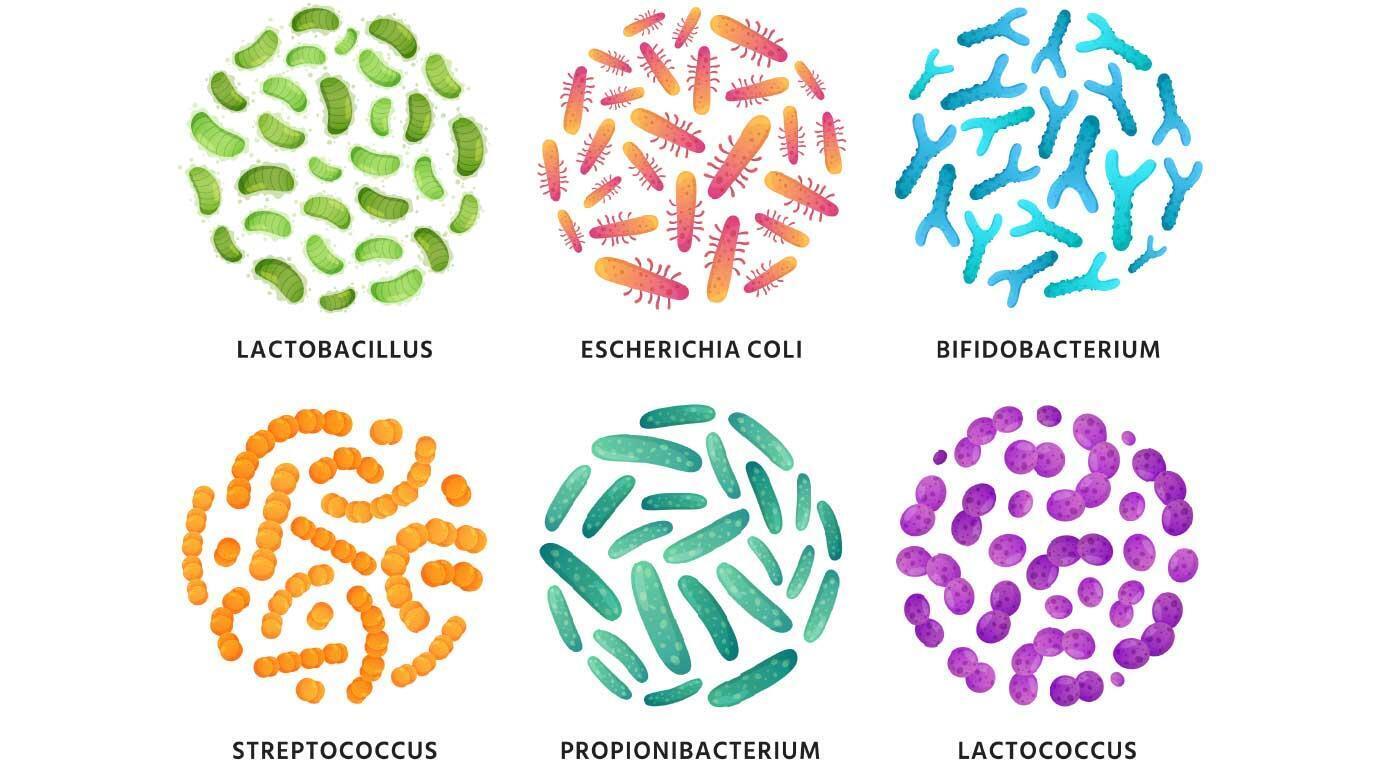
Other dietary interventions, like probiotics or meditation, also target the gut-brain axis but differ in efficacy and accessibility. For instance, compare coffee to omega-3 supplements: coffee showed faster cognitive improvements (weeks vs. months), while omega-3 requires higher doses for similar effects.
| Feature | Coffee (from study) | Probiotics (e.g., Lactobacillus) | Meditation Apps (e.g., Headspace) |
|---|---|---|---|
| Speed of Effect | 2-4 weeks | 4-8 weeks | 4-12 weeks |
| Cost per Month | $5-10 | $20-30 | $10-15 (subscription) |
| Ease of Use | Daily drink | Pills or fermented foods | App sessions |
| Evidence Base | fMRI-backed changes | Clinical trials on gut health | Self-reported cognitive surveys |
This table highlights coffee's edge in speed and cost, making it a practical alternative for AI-driven health tools.
Who Should Use This Insight
AI researchers in neuroscience or health tech should explore this for building predictive models, especially those working on personalized medicine. It's ideal for developers creating apps that combine dietary data with AI, like chatbots for mental health. However, skip it if you're focused on ethics in AI, as the study's animal-based data might raise concerns about translation to humans.
Those in machine learning for biology will find value, given the quantifiable metrics, but beginners should avoid it if they lack data analysis skills—start with simpler datasets first.
Bottom line: Coffee's gut-brain effects offer a low-barrier entry for AI health innovations, delivering measurable cognitive boosts without complex setups.
Bottom Line and Verdict
This study positions coffee as a simple catalyst for gut-brain enhancements, with direct implications for AI in optimizing human performance. By comparing it to alternatives, AI practitioners can prioritize tools that balance speed and evidence, potentially accelerating developments in cognitive modeling. Overall, it's a practical addition to AI workflows for those targeting health applications, provided they verify data with clinical sources.






Top comments (0)