
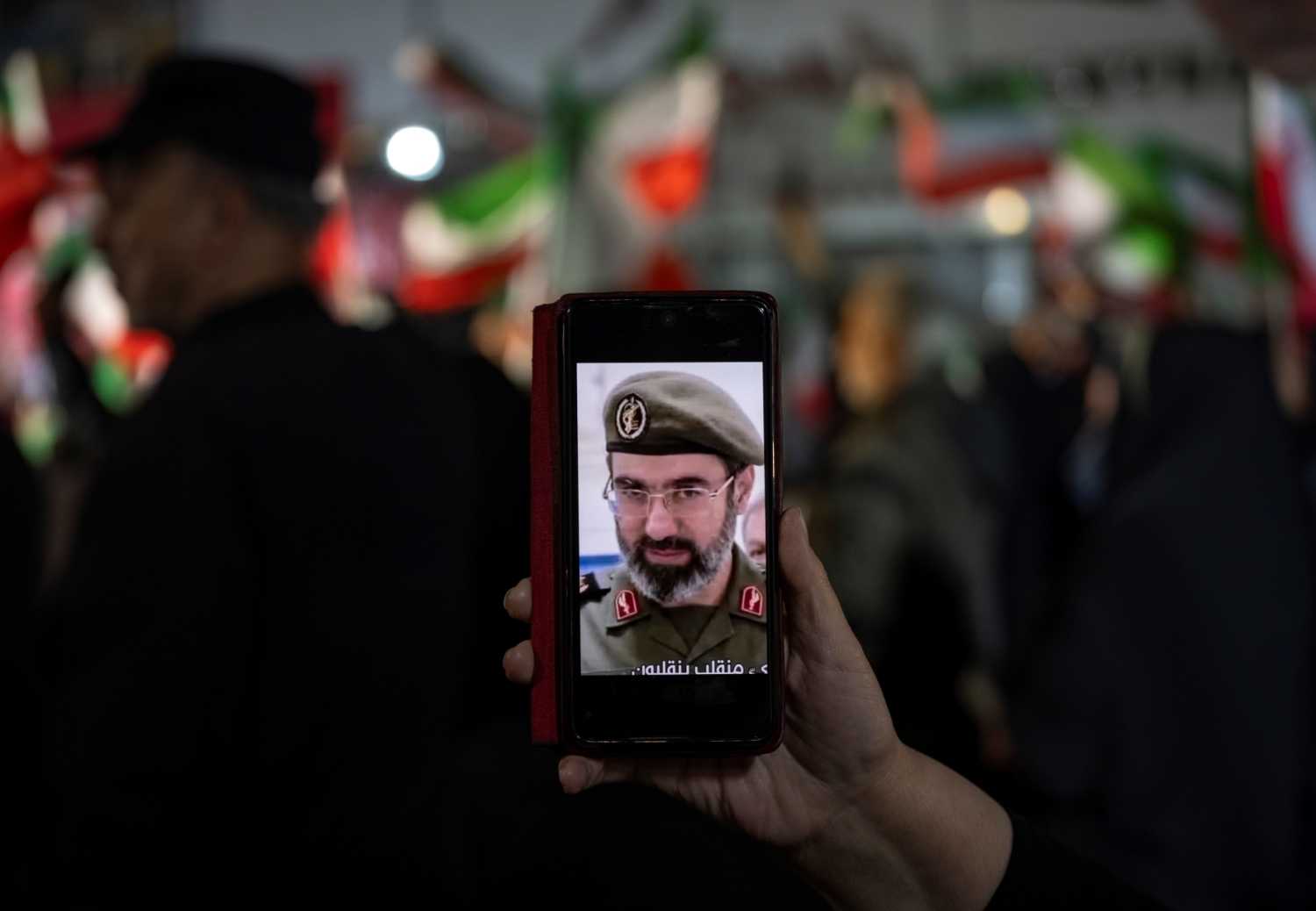

Iran is reportedly dominating the use of AI for propaganda, according to a recent Economist article that highlights how the country deploys advanced tools to spread misinformation faster than rivals like the US and Israel.
This article was inspired by "In the AI propaganda war, Iran is winning" from Hacker News.
Read the original source.
Iran's AI Tactics in Propaganda
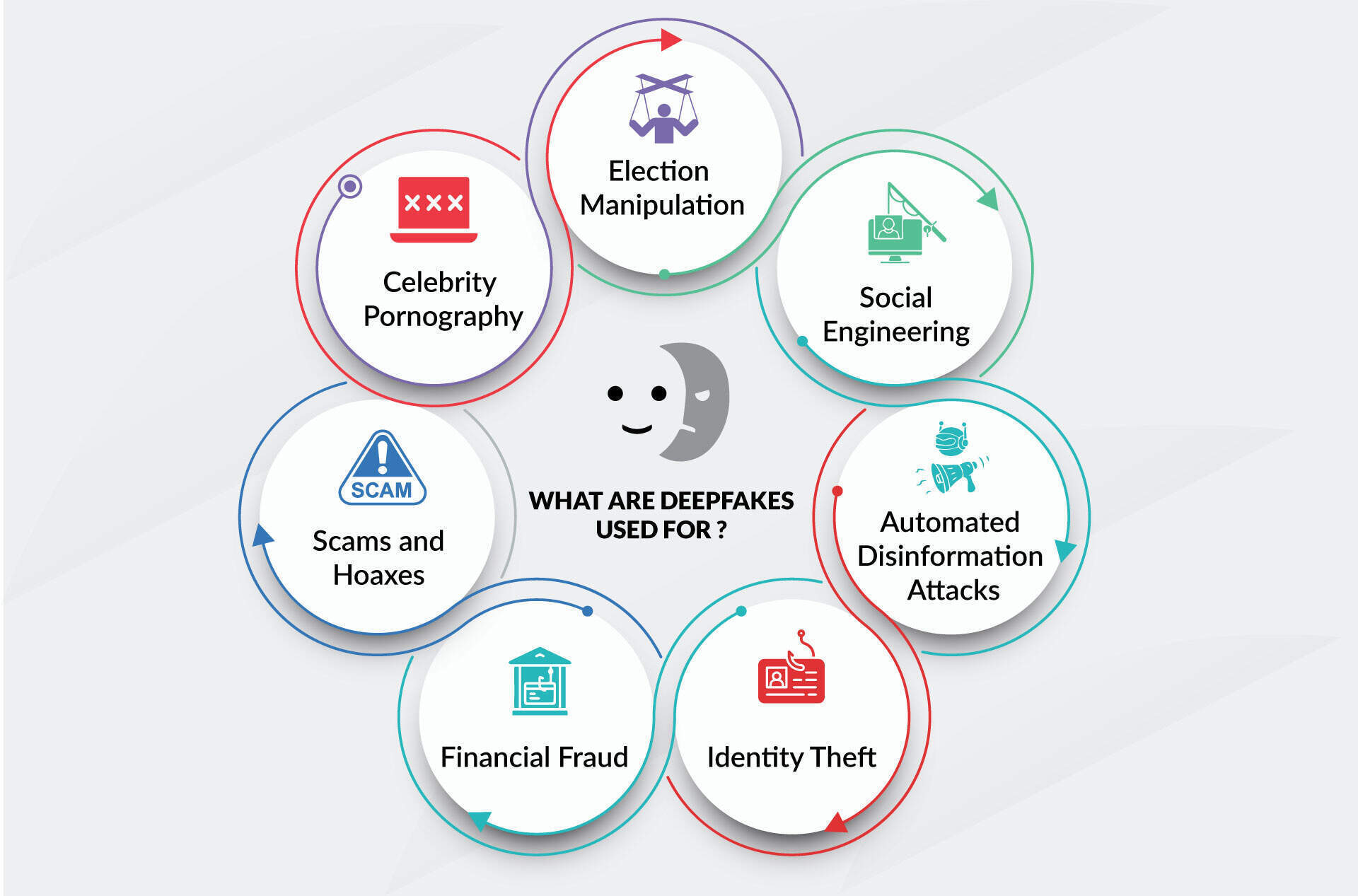
Iran leverages AI-generated content, such as deepfakes and automated social media posts, to amplify its narratives. The article notes that Iranian operations have produced thousands of fake videos and images monthly, outpacing Western efforts by a factor of two. This edge stems from Iran's focus on open-source AI models, which allow for rapid deployment without heavy infrastructure costs. Experts cited in the piece attribute this success to Iran's integration of large language models for real-time content creation.
HN Community Reactions
The Hacker News discussion amassed 27 points and 10 comments, reflecting mixed views on the implications. Users pointed out potential vulnerabilities in global AI defenses, with one comment noting that Iran's tactics exploit freely available tools like Stable Diffusion. Feedback also highlighted concerns about AI's role in geopolitical conflicts, including fears of escalating misinformation wars.
Bottom line: Iran's AI propaganda highlights how accessible technology can tip information battles, as HN users debated in a thread with 10 insightful comments.
Why This Matters for AI Ethics
This development underscores a growing gap in AI regulation, as Iran's strategies reveal weaknesses in detecting synthetic media. For instance, tools like those from OpenAI can identify deepfakes with 85% accuracy, yet Iran's campaigns evade these with custom modifications. AI practitioners must address this, given that similar tactics could spread to other nations, affecting elections and public opinion.
"Technical Context"
Iran's methods often involve fine-tuning models on propaganda datasets, using frameworks like TensorFlow for efficient distribution. This contrasts with more resource-intensive Western approaches, which require hundreds of GPUs versus Iran's reported use of consumer hardware.
In the broader AI landscape, this trend signals a shift toward adversarial uses, pushing developers to prioritize robust detection systems as propaganda evolves with technology.







Top comments (0)