
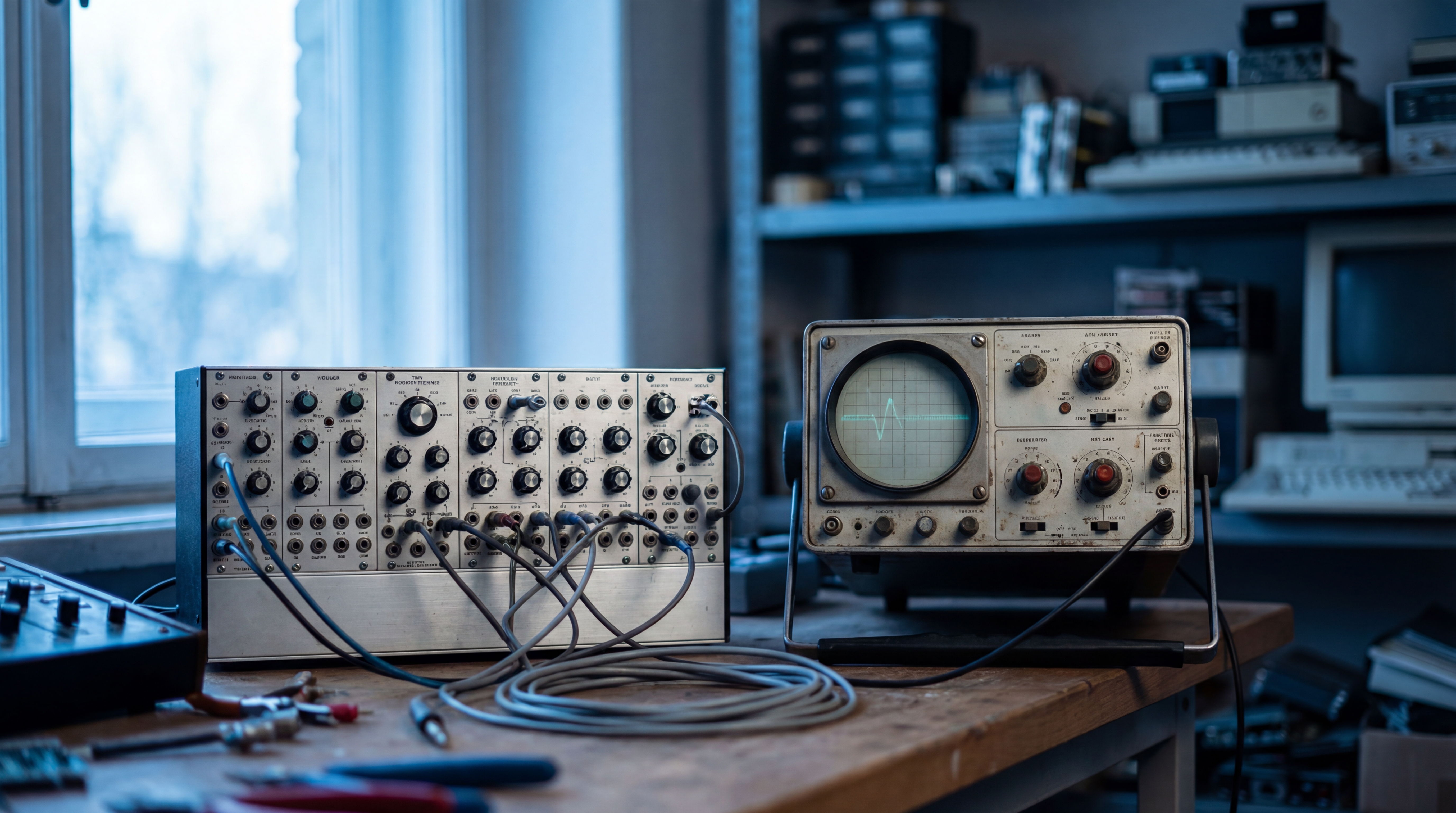

Black Forest Labs and other AI art pioneers often draw unexpected inspiration from the past. One such source is the retro demo scene—a subculture of coders and artists who pushed early computers like the Commodore 64 and Amiga to their graphical limits in the 1980s and 1990s. Their pixel-perfect creations, constrained by hardware, are now fueling modern generative AI aesthetics.
This article was inspired by "The curious case of retro demo scene graphics" from Hacker News.
Read the original source.
Pixel Constraints as Creative Fuel
Demo scene graphics operated under severe limitations: 16 colors, 320x200 resolution, and minimal processing power. Yet, artists crafted intricate animations and 3D effects that still stun today. These constraints forced ingenuity—something AI models like Stable Diffusion can learn from when generating art with intentional lo-fi aesthetics.
The Hacker News discussion, with 106 points and 17 comments, notes how these retro visuals offer a unique training ground for AI. Pixel art's strict rules help algorithms understand structure and minimalism, producing outputs that feel both nostalgic and fresh.
Bottom line: Retro constraints teach AI to create with less, echoing the demo scene's "do more with less" ethos.

Why Demo Scene Matters to AI Art
Modern generative tools often prioritize hyper-realism, but retro aesthetics tap into a growing demand for stylized, low-res visuals. The demo scene's influence is evident in AI-generated pixel art and chiptune-inspired visuals used in indie games and NFT projects. Early testers on HN highlight how training on C64 and Amiga datasets yields distinct outputs compared to photorealistic datasets.
A key insight from the discussion: demo scene art isn't just nostalgia—it's a masterclass in optimization. AI can replicate this by learning to prioritize impactful details over raw pixel count.
Community Reactions on Hacker News
The HN thread reveals mixed perspectives on this retro-AI intersection:
- Enthusiasm for unique aesthetic outputs in generative art
- Concerns over oversaturation of retro styles in AI marketplaces
- Curiosity about applying demo scene logic to VR and AR filters
These reactions underscore a broader debate: can AI honor the past without recycling it endlessly?
Bottom line: The community sees potential but craves innovation beyond mere homage.
"Technical Context of Demo Scene Graphics"
Demo scene artists used tools like Deluxe Paint and custom assemblers to code directly to hardware, bypassing OS limitations. Effects like parallax scrolling and copper bars exploited specific chips (e.g., Amiga’s Agnus). AI can mimic these by training on procedural rules rather than raw images, preserving the logic behind the visuals.
Comparing Retro Influence Across AI Models
| Feature | Stable Diffusion | DALL-E 3 | MidJourney |
|---|---|---|---|
| Retro Style Support | High (via fine-tuning) | Moderate | High |
| Pixel Art Focus | Strong | Weak | Moderate |
| Training on Retro Data | Yes (community datasets) | Unclear | Partial |
This table shows how tools vary in embracing retro demo scene vibes. Stable Diffusion stands out for its adaptability, thanks to open-source efforts targeting Amiga-era visuals.
Looking Ahead
As AI art evolves, the demo scene's legacy offers a reminder that limitations can breed creativity. Future models might not just mimic retro looks but adopt their underlying principles—efficiency and ingenuity—to tackle modern challenges like real-time rendering on low-spec devices. The past, it seems, still has plenty to teach.



Top comments (0)