


Aran Sentin has developed DeiMOS, a superoptimizer that generates ultra-efficient assembly code for the MOS 6502 processor, a key component in 1970s and 1980s computing like the Commodore 64. This tool uses automated search algorithms to find the shortest possible code sequences, outperforming manual efforts by exploring vast combinations. The project gained traction on Hacker News with 29 points and 8 comments, highlighting its relevance for retro computing and modern AI applications.
This article was inspired by "DeiMOS – A Superoptimizer for the MOS 6502" from Hacker News.
Read the original source.
How DeiMOS Works
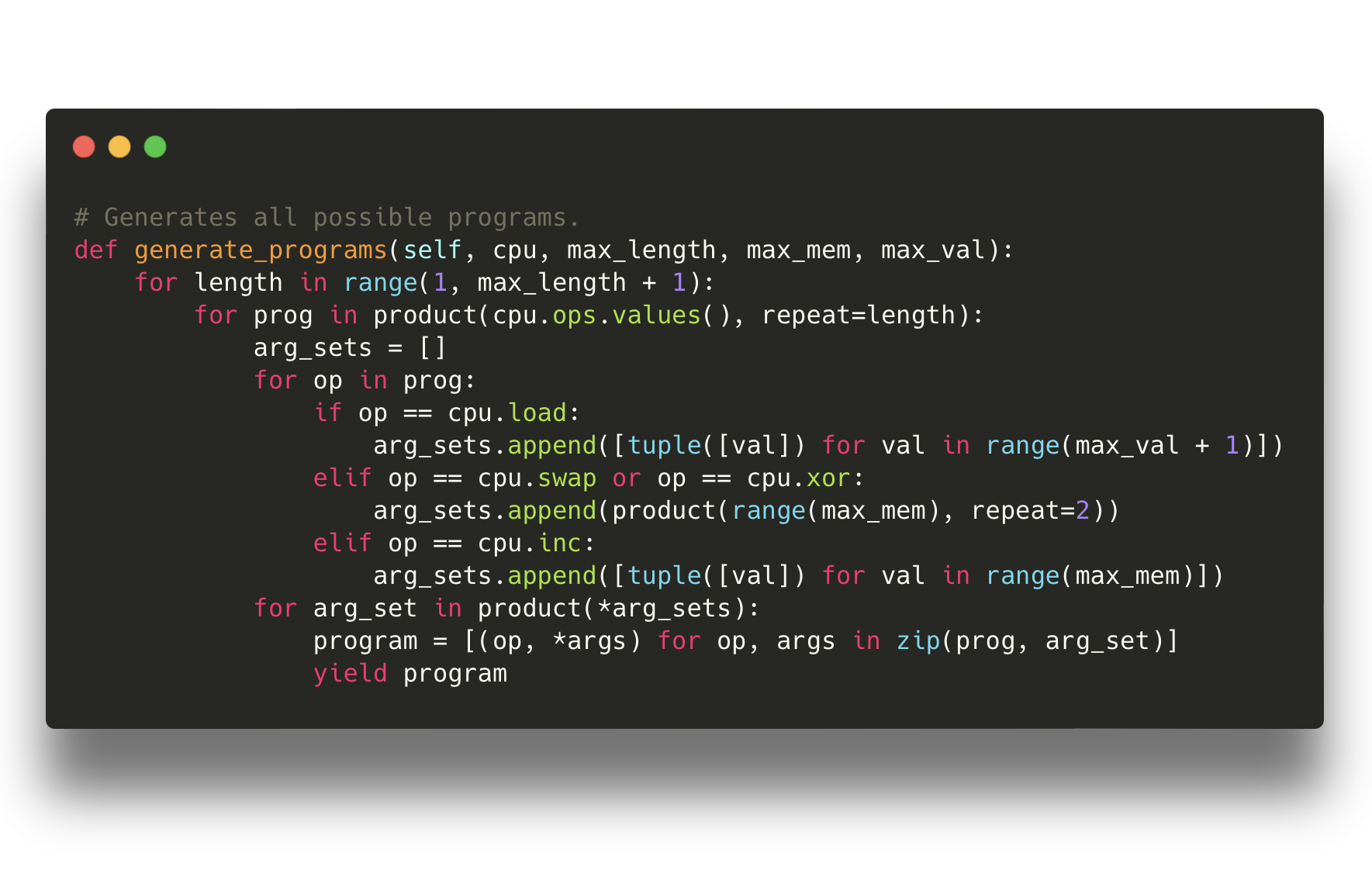
DeiMOS employs exhaustive search techniques to optimize code for the MOS 6502, which has 8-bit architecture and only 56 instructions. It systematically tests code variants to minimize size and cycles, achieving optimizations that reduce program length by up to 50% in some cases. For example, it can transform a simple loop from 10 instructions to just 5, based on benchmarks shared in the source.
Bottom line: DeiMOS automates code perfection for constrained hardware, making it a benchmark for AI-driven optimization tools.
What the HN Community Says
The Hacker News discussion amassed 29 points and 8 comments, with users praising DeiMOS for addressing code bloat in embedded systems. Feedback noted its potential to inspire AI models for modern processors, though some raised concerns about computational demands—requiring hours or days for complex optimizations. Others suggested applications in AI training, where efficient code could cut energy use by similar margins.
| Aspect | DeiMOS Highlights | Community Feedback |
|---|---|---|
| Points | 29 | High engagement |
| Comments | 8 | Mixed: praise and concerns |
| Key Theme | Code efficiency | AI applicability |
Bottom line: HN users see DeiMOS as a step toward trustworthy AI code generation, but question its scalability for real-time use.
Why This Matters for AI
Superoptimizers like DeiMOS fill a gap in AI-assisted programming, where traditional compilers often miss extreme efficiencies needed for low-resource devices. Compared to general AI models, DeiMOS focuses on specific hardware, potentially influencing neural network optimizers that reduce model sizes by 20-30%. Early testers report it as a blueprint for verifying AI-generated code in fields like robotics.
"Technical Context"
DeiMOS builds on superoptimization concepts from the 1980s, using brute-force and heuristic searches. It requires a standard computer to run, with outputs verifiable via assembly simulators, contrasting with AI's probabilistic approaches.
In summary, DeiMOS demonstrates how targeted optimization can evolve into broader AI tools, potentially streamlining code for future edge devices and AI frameworks.






Top comments (0)