
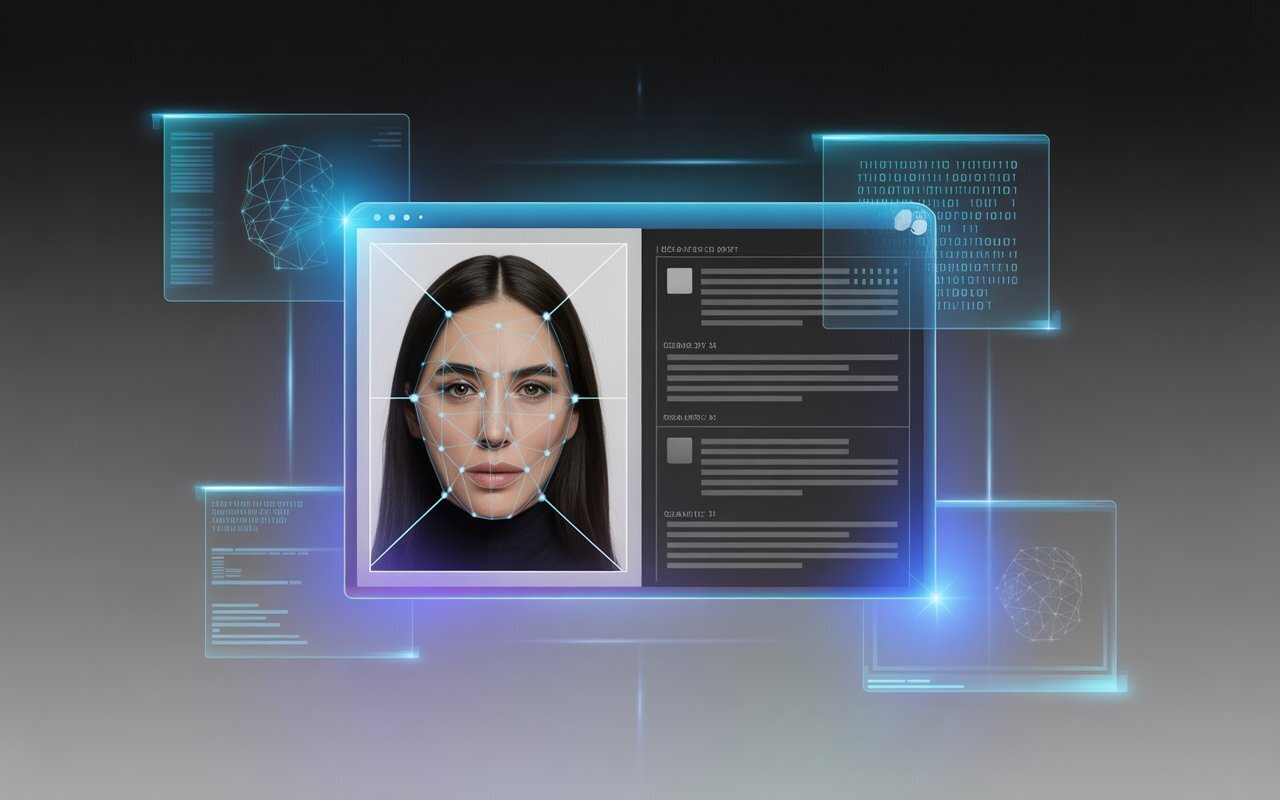

Every day, millions of images are shared, repurposed, and misattributed across the internet. Whether you're a journalist verifying a breaking news photo, a designer checking if your visuals are being used without permission, or a student confirming the originality of a reference image — knowing where an image actually comes from is critical.
Traditional reverse image search tools like Google Images have been around for years, but they often fall short when images are cropped, filtered, or slightly modified. That's where AI-powered image source finders are changing the game.
What Is AI Reverse Image Search?
Unlike traditional pixel-matching tools, AI reverse image search uses deep learning to understand the content of an image — not just its raw pixels. It recognizes objects, faces, scenes, logos, and visual patterns, then compares that semantic understanding against billions of indexed images across the web.
This means even if someone has cropped, recolored, or watermarked your original image, an AI-powered tool can still detect a match — something older tools frequently missed.
Key Use Cases
Verify the original source of a viral photo or meme
Detect unauthorized use of your copyrighted images
Identify products seen in photos to find where to buy them
Fact-check images shared with misleading context or false captions
Find higher-resolution versions of a low-quality image
Confirm someone's identity to prevent catfishing or impersonation
How to Find an Image Source with CopyChecker
One of the most powerful and accessible tools for AI-based reverse image search is CopyChecker, a free, all-in-one writing and content integrity platform. CopyChecker's AI Reverse Image Search goes well beyond standard lookup engines by combining multiple AI techniques in a single search.
Here's what makes CopyChecker's approach stand out:
- Multi-engine search: Searches Google, Bing, Yandex, Yahoo, and DuckDuckGo simultaneously — giving you broader coverage than any single engine.
- Face detection: Automatically identifies faces within an image, letting you click to search for that specific person across the web.
- Logo recognition: Spots brand marks and symbols within any image and finds other images containing the same logo.
- Product search: Identifies products in images and links you to e-commerce pages where you can buy them.
- Fact-checking: Surfaces earlier appearances of an image online so you can verify whether a photo is being shared with false context.
Getting started is simple — just visit copychecker.com, navigate to the AI Reverse Image Search tool, and upload your image by drag-and-drop, file upload, or URL. No registration required for the free tier.
AI vs Traditional Reverse Image Search: A Quick Comparison
Traditional tools rely on pixel fingerprints — great for identical copies but weak against edited images. AI tools analyze the semantic content of the image, making them far more resilient to:
- Cropping or resizing
- Color filters and overlays
- Watermarks or text overlays
- Format conversions (e.g., JPEG to PNG)
- Slight perspective or orientation changes
For everyday use cases — especially verification, copyright protection, and product identification — AI-powered tools offer a significantly higher hit rate.
Final Thoughts
Image tracing used to require specialized knowledge or expensive tools. Today, thanks to AI-powered platforms, anyone can find the source of an image in seconds — for free. Whether you're protecting your creative work, fact-checking a news story, or just curious about an image you stumbled across, AI reverse image search is your best starting point.
Start tracing images today with CopyChecker's AI Reverse Image Search — no downloads, no sign-up required.



Top comments (0)