

If you're diving into the world of AI-generated art, crafting the right prompt is key to getting the results you want. As someone who’s been experimenting with various AI tools, I’ve learned that the more detailed and specific you are with your prompts, the more creative and accurate the results will be.
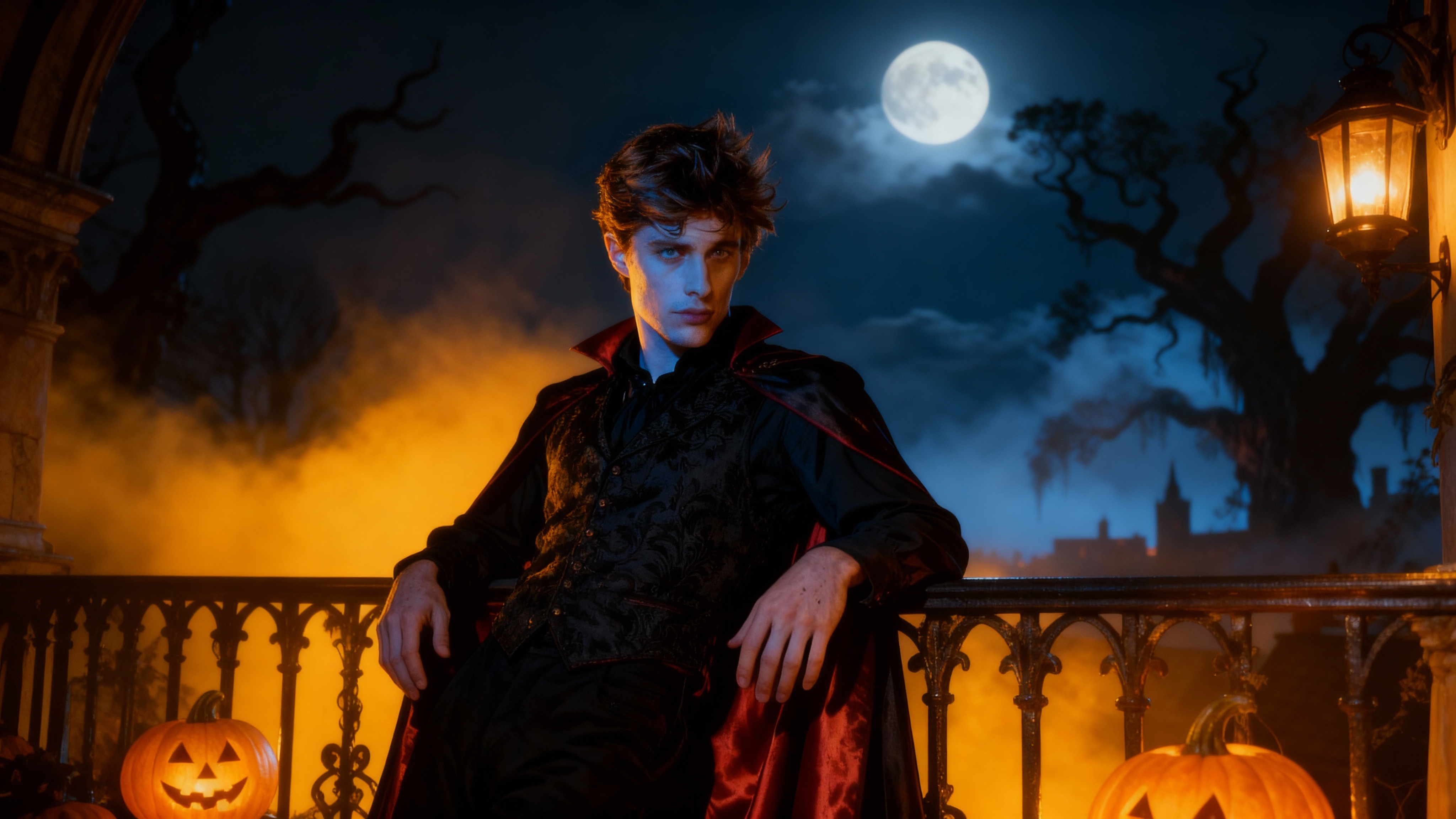
Here are some tips on creating effective AI art prompts:
Be Specific: The more detail you provide, the better the output. If you want a spooky Halloween scene, don’t just say “Halloween” – describe the elements you want (pumpkins, fog, creepy lighting, etc.).
Set the Scene: AI works best when it understands the atmosphere or mood you're aiming for. Include details about time of day, lighting, and even the style of art (realistic, cartoonish, abstract).
Experiment with Style: Don’t be afraid to mix and match artistic styles. Ask for something like “A surreal landscape in the style of Van Gogh” to get unique results.
Use Keywords Wisely: Key descriptors can help guide AI, especially when it comes to characters, backgrounds, and environments. Think about texture, color palette, and specific objects.
Example Prompt:
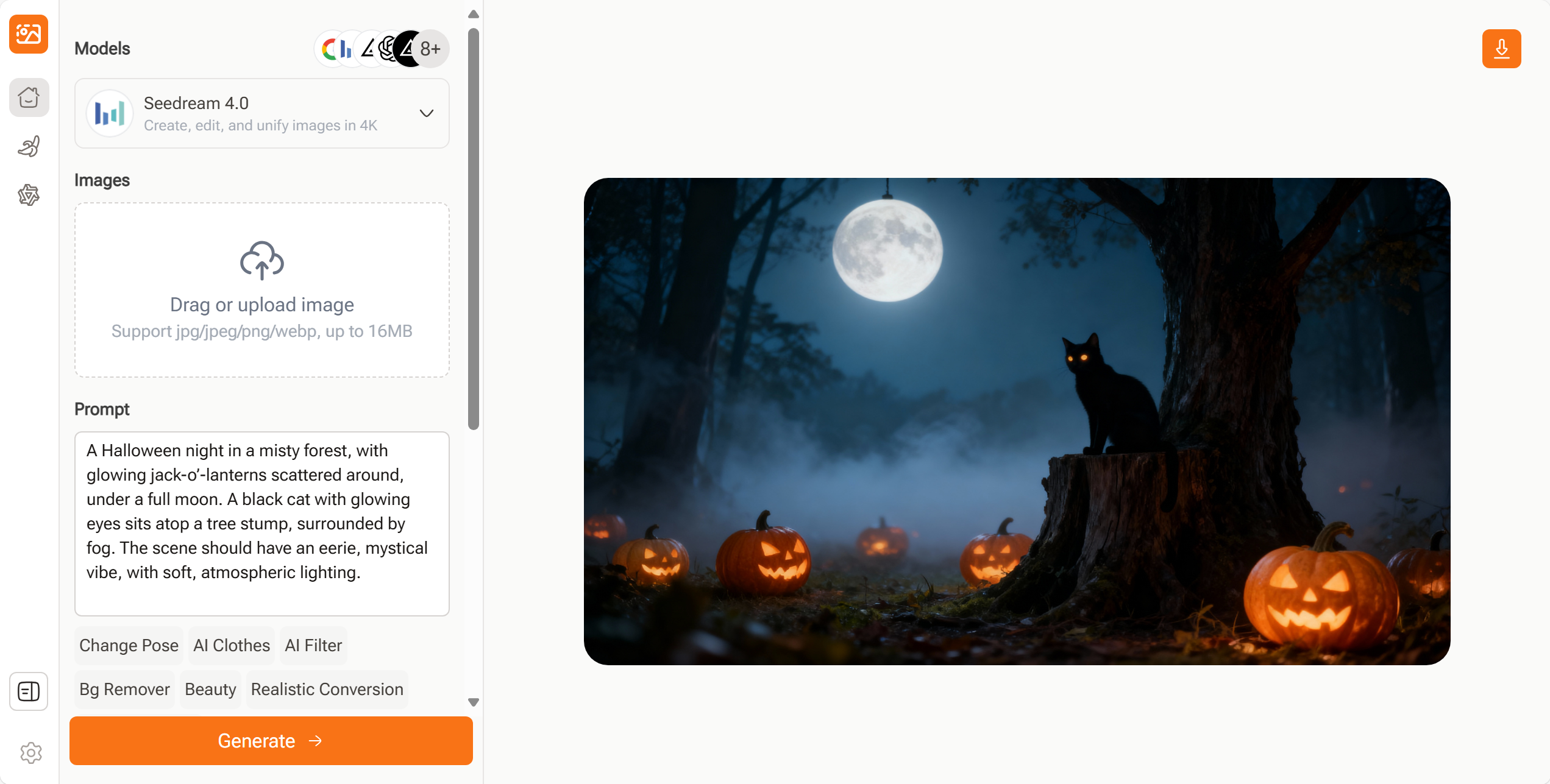
"A Halloween night in a misty forest, with glowing jack-o’-lanterns scattered around, under a full moon. A black cat with glowing eyes sits atop a tree stump, surrounded by fog. The scene should have an eerie, mystical vibe, with soft, atmospheric lighting."
Bonus Tip: Keep iterating! AI can surprise you with its interpretations. Don’t hesitate to tweak your prompts based on the results you get.
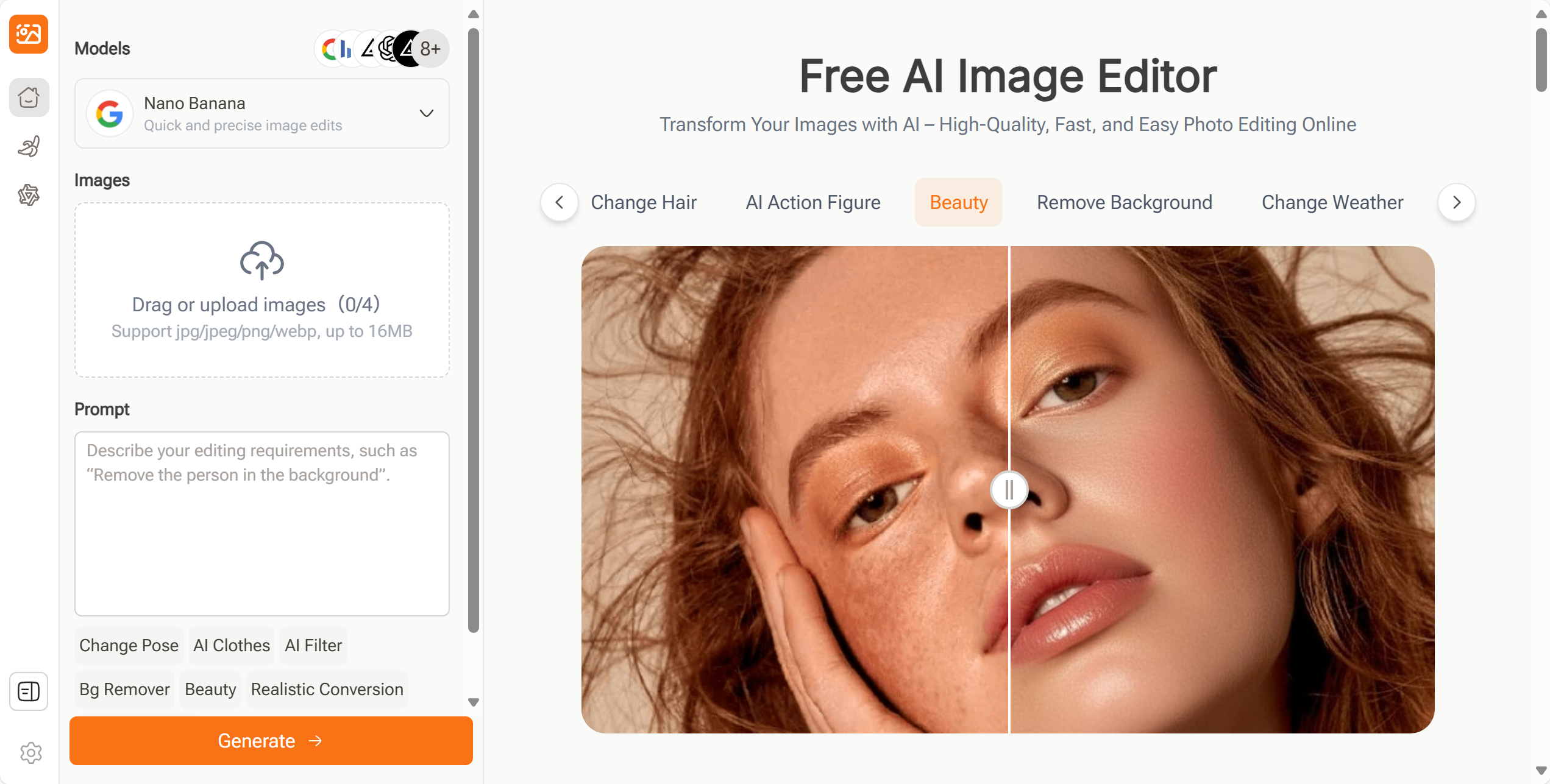
If you’re looking for ways to fine-tune your AI-generated images, I recommend using tools like ImageEditor, which can help adjust lighting, remove backgrounds, or enhance details to match your original vision.
What are your favorite tips for crafting prompts? Share them in the comments — let’s inspire each other to create amazing AI art!If you're diving into the world of AI-generated art, crafting the right prompt is key to getting the results you want. As someone who’s been experimenting with various AI tools, I’ve learned that the more detailed and specific you are with your prompts, the more creative and accurate the results will be.
Here are some tips on creating effective AI art prompts:
Be Specific: The more detail you provide, the better the output. If you want a spooky Halloween scene, don’t just say “Halloween” – describe the elements you want (pumpkins, fog, creepy lighting, etc.).
Set the Scene: AI works best when it understands the atmosphere or mood you're aiming for. Include details about time of day, lighting, and even the style of art (realistic, cartoonish, abstract).
Experiment with Style: Don’t be afraid to mix and match artistic styles. Ask for something like “A surreal landscape in the style of Van Gogh” to get unique results.
Use Keywords Wisely: Key descriptors can help guide AI, especially when it comes to characters, backgrounds, and environments. Think about texture, color palette, and specific objects.
Bonus Tip: Keep iterating! AI can surprise you with its interpretations. Don’t hesitate to tweak your prompts based on the results you get.
What are your favorite tips for crafting prompts? Share them in the comments — let’s inspire each other to create amazing AI art!
Example Prompt:
"A Halloween night in a misty forest, with glowing jack-o’-lanterns scattered around, under a full moon. A black cat with glowing eyes sits atop a tree stump, surrounded by fog. The scene should have an eerie, mystical vibe, with soft, atmospheric lighting."


Top comments (0)