

When temperatures drop far below freezing, the right Ski jackets can make the difference between an enjoyable ride and a miserable day on the mountain. Extreme winter conditions bring heavy snow, icy winds, and sudden weather changes.
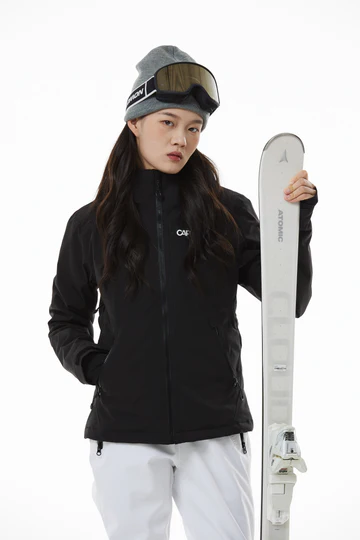
Your jacket must keep you all warm, dry, and comfortable. This guide explains to you what to look for in a perfect ski jacket for harsh conditions.
1. Focus on Waterproof and Windproof Protection
Extreme winter means constant exposure to snow and wind. A high-quality jacket should block both.
*Look for: *
- A waterproof rating of at least 15,000 mm
- Fully taped seams
- Durable water-repellent (DWR) coating
- Windproof outer shell
Water resistance keeps melting snow from soaking through. Windproof fabric prevents cold air from cutting through layers. Without these features, even the warmest insulation will not help.
2. Choose the Right Insulation
Insulation keeps your body heat trapped inside. There are two main types:
*Synthetic Insulation *
- Performs well in wet conditions
- Dries faster
- More affordable
*Down Insulation *
- Lightweight and very warm
- Highly compressible
- Best for dry, cold climates
For extreme and unpredictable winter weather, synthetic insulation is often the safer option. It maintains warmth even if moisture gets inside.
3. Make Sure It Breathes
Warmth is important, and so is ventilation. While skiing or snowboarding, your body generates heat. If sweat builds up inside the jacket, you will feel cold once you stop moving.
*Check for: *
- Breathability rating of 10,000 g or higher
- Underarm ventilation zippers
- Mesh-lined vents
Good airflow keeps your body temperature balanced. It prevents overheating and sudden chills.
4. Look for a Functional Fit
Fit is an issue concerning both comfort and performance. If a jacket is too tight, movement is restricted. If a jacket is too loose, cold air gets in.
When trying one on:
- Lift your arms fully
- Bend forward
- Twist side to side
The jacket should accompany you. The sleeves should be long enough to cover your wrists. The hem should cover your lower back.
Space layering is equally important, too. There needs to be space between the thermal base layer and the mid layer.
5. Pay Attention to the Hood and Collar
In extreme weather such as winter, the head and neck are important. A good hood should:
- Fit over a helmet
- Adjust securely
- Block the wind from the sides A high collar is also very important, as it helps shield you from icy air. The lining in the neck also helps, especially in cold weather.
6. Check the Small Details
Small things improve performance more than you think. The useful features consist of:
- Powder skirt to keep out snow
- Adjustable cuffs
- Waterproof zippers
- Multiple secure pockets
- RECCO reflector: safety
A powder skirt keeps snow out in case of a fall. Adjustable cuffs keep the wind out. Secure pockets hold your phone or lift pass.
7. Think About Durability
Extreme winter conditions can be harsh. Ice, sharp edges of skis, and repeated motion on the fabric can be damaging.
*Choose jackets with: *
- Reinforced shoulders
- Ripstop fabric
- Strong stitching
Drought-resistant materials will also make your investment last longer.
8. Consider Comfort and Style
Performance comes first, but comfort and style are important too. Soft materials, like fabric, reduce irritation. Lightweight materials decrease fatigue. Select colors with high visibility in a storm.
Also, matching your jacket with a proper lower gear will improve your level of protection. In order for a jacket to work best, it should always be paired with proper snow pants.
9. Match It with the Right Snow Pants
Your jacket is part of a system. For complete protection:
- Choose pants that have comparable waterproof ratings.
- Ensure proper overlap between jacket and pants.
- Look for adjustable waist features.
Final Thoughts
Choosing the perfect ski jacket for extreme winter conditions requires careful consideration, insulation, and fit. Small features can make a big difference in harsh weather and heavy winds. Always invest in durable materials and proper layering.
For reliable winter gear that combines comfort, protection, and performance, explore the collection at CAPELINCREW, including premium Ski jackets and womens bib snow pants designed for serious cold-weather adventures.



Top comments (0)