

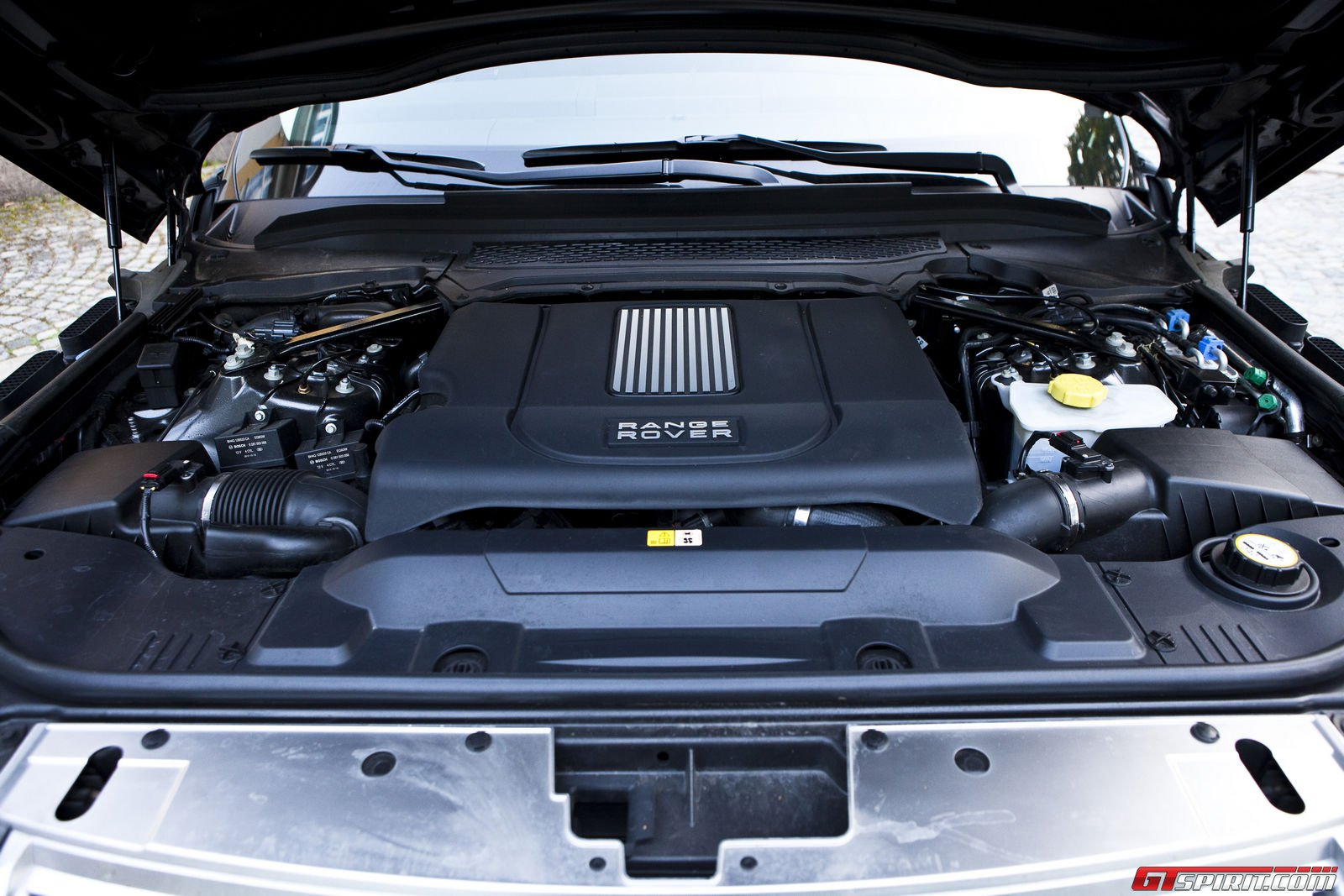
If your Range Rover engine has failed, you’re probably facing one of the most expensive decisions as a car owner. From my experience working with UK customers, most people hesitate between rebuilding, replacing, or selling the car altogether.This is where reconditioned Range Rover engines come in. They sit right in the middle between affordability and reliability, making them one of the most practical solutions in the UK market.
In this guide, I’ll walk you through real costs, benefits, risks, and how to actually choose the right engine without wasting money.
What Is a Reconditioned Range Rover Engine?
A reconditioned engine is not just a used engine pulled from another vehicle.
It is:
Fully stripped down
Cleaned and inspected
Rebuilt using new or refurbished components
Tested before installation
The goal is to bring the engine back to near-original performance and reliability.
Quick Comparison
Used engine → cheapest, but risky
Reconditioned engine → balanced option
Remanufactured engine → closest to new, but expensive
Most UK customers choose reconditioned engines because they offer a strong balance between cost and dependability.
Cost of Reconditioned Range Rover Engines in the UK
Let’s get straight to what most people care about.
Average UK Price Range:
Engine only: £3,500 – £7,500
Fitting cost: £1,500 – £3,000
Total cost: £5,000 – £10,500
For some smaller or older models, prices can be lower:
Around £2,000 – £4,500 for certain engines
And in general UK terms:
Average reconditioned engine cost: £3,000 – £5,000
Why Prices Vary So Much
From real-world experience, pricing depends on:
Engine size (V6, V8, diesel vs petrol)
Model (Evoque, Sport, Vogue, Velar)
Level of reconditioning
Parts quality used
Warranty included
Labour and installation complexity
A cheap quote often means corners are being cut. That’s something I’ve seen many customers regret later.
Benefits of Reconditioned Range Rover Engines
- Significant Cost Savings A brand-new engine can cost £12,000 to £20,000+, which is often more than the vehicle’s value.
Reconditioned engines give you:
Up to 60–70% savings
Better value for older vehicles
- Restored Performance A properly rebuilt engine replaces critical components like:
Pistons
Bearings
Gaskets
Seals
This restores lost power and efficiency, often making the engine feel much smoother.
- Longer Lifespan A high-quality reconditioned engine can last:
100,000 to 150,000 miles with proper maintenance
That’s more than enough for most UK drivers.
- Faster Availability New engines often come with long waiting times.
Reconditioned engines are:
More readily available in the UK
Faster to install
Ideal for urgent breakdown situations
- Environmentally Friendly Reconditioning reduces waste and reuses engine components, making it a more sustainable option compared to manufacturing new engines.
Common Problems
This is where experience really matters.
- “Reconditioned” Doesn’t Always Mean Fully Rebuilt Some suppliers only fix visible faults instead of doing a full rebuild.
That leads to:
Oil leaks
Poor compression
Early failure
- Hidden Costs Many customers only budget for the engine itself.
But additional costs include:
Labour
Fluids and filters
ECU coding
Sensors and ancillaries
These can significantly increase your final bill.
- Weak Warranty Coverage Some warranties:
Cover parts only (not labour)
Have strict conditions
Exclude common failures
Always read the details. This is critical.
- Compatibility Issues Range Rover engines are complex.
Even small mismatches can cause:
Warning lights
ECU errors
Performance issues
This is especially common in Evoque and Sport models.
Reconditioned vs Used vs New: What Should You Choose?
Go for Reconditioned Engine If:
Your vehicle is out of warranty
Engine replacement cost is too high
You want reliability without overspending
Go for New Engine If:
Vehicle is high value or under warranty
Budget is not an issue
Avoid Used Engine If:
You want long-term reliability
You don’t know the engine history
How to Choose the Right Reconditioned Engine (Expert Checklist)
This is exactly what I advise clients.
- Ask What Was Replaced A proper rebuild should include:
Pistons
Bearings
Timing components
Oil pump
- Check Warranty (Minimum 6–12 Months) Prefer:
Parts + labour coverage
Clear written terms
- Choose a UK-Based Specialist This ensures:
Easier support
Faster replacement if needed
Better accountability
- Get a Full Supply & Fit Quote Avoid surprises by asking for:
Complete pricing
Installation details
Additional parts included
- Ask for Documentation A reliable supplier should provide:
Build report
Parts list
Testing results
If there’s no paperwork, that’s a red flag.
Is a Reconditioned Range Rover Engine Worth It?
In most cases, yes.
From what I’ve seen across UK customers:
It’s the most cost-effective solution
It extends your vehicle’s life significantly
It avoids the high cost of buying a new car
But the key is simple:
The quality of the rebuild matters more than the price
Final Thoughts
If you’re dealing with a failed Range Rover engine, you’re already in a tough spot. I’ve seen customers spend too little and regret it, and others overspend unnecessarily.
The smartest move is not the cheapest option. It’s the right balance between quality, warranty, and price.
A properly reconditioned engine, fitted by the right specialist, can completely transform your vehicle and give you years of reliable driving again.
FAQs
How much does a reconditioned Range Rover engine cost in the UK?
Typically between £5,000 and £10,500 including fitting, depending on model and condition.
How long does a reconditioned engine last?
A well-built engine can last 100,000 to 150,000 miles with proper maintenance.
Is a reconditioned engine better than a used engine?
Yes. Reconditioned engines are rebuilt and tested, while used engines come with unknown history.
How long does engine replacement take?
Usually 3 to 7 days depending on the vehicle and complexity.
Do reconditioned engines come with warranty?
Yes, most UK suppliers offer 6 to 12 months warranty, but coverage varies






Top comments (0)