

Organizations today rely heavily on technology to maintain productivity, deliver services, and ensure smooth internal operations. As businesses grow, managing IT services through emails, spreadsheets, or disconnected tools becomes inefficient and difficult to scale. This is where ITSM Software plays a critical role. Implementing an IT Service Management solution helps organizations streamline IT processes, improve service delivery, and provide better support to employees and customers.
However, adopting a new ITSM platform requires careful planning and a structured approach. A well-executed implementation can transform how IT teams operate and significantly improve organizational efficiency.
Understanding the Role of ITSM Software
IT Service Management focuses on designing, delivering, managing, and improving IT services within an organization. Instead of addressing IT issues reactively, ITSM Software enables companies to follow structured workflows for incidents, service requests, changes, and asset management.
Modern organizations also use enterprise service management tools to extend ITSM practices beyond IT departments. These tools allow HR, finance, facilities, and other teams to manage requests, approvals, and workflows using a centralized platform. By adopting this broader approach, companies can improve collaboration and create consistent service experiences across departments.
Before implementing an ITSM solution, organizations should first understand how it aligns with their operational goals and long-term digital transformation strategy.
Defining Clear Objectives for Implementation
One of the biggest mistakes organizations make when implementing ITSM tools is failing to define clear objectives. Without clear goals, the platform may be underutilized or misaligned with business needs.
Start by identifying the key challenges your IT team faces. These might include slow response times, lack of visibility into service requests, inefficient change management processes, or poor asset tracking. Once these challenges are defined, organizations can select ITSM Software that directly addresses those issues.
Implementation goals may include improving service desk efficiency, automating repetitive tasks, enhancing reporting capabilities, or enabling cross-department service management through enterprise service management tools.
Choosing the Right ITSM Platform
Selecting the right platform is a crucial step in the implementation process. Organizations should evaluate several factors before making a decision, including scalability, ease of use, customization options, and integration capabilities.
A reliable platform should support key ITIL processes such as incident management, problem management, change management, and asset management. It should also provide automation features that reduce manual workloads and improve response times.
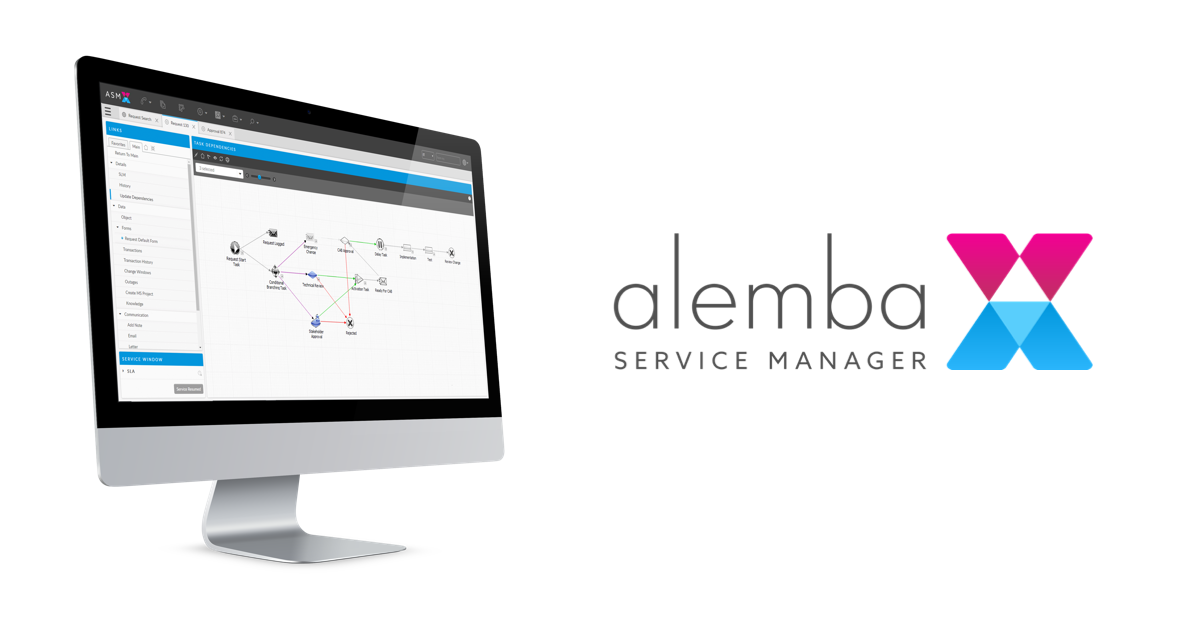
Solutions like Alemba are designed to help organizations modernize their IT service management practices. By offering flexible and scalable ITSM Software, Alemba supports businesses looking to streamline operations while maintaining high service quality. Additionally, platforms that support Enterprise service management tools allow organizations to extend service workflows beyond IT and create a unified service experience.
Preparing Your Organization for Change
Implementing a new ITSM tool involves both technological and organizational change. Even the most advanced platform will fail if employees are not prepared to adopt it.
Organizations should begin by communicating the purpose and benefits of the new system to stakeholders and employees. This helps reduce resistance and encourages adoption. Training programs should also be provided to ensure users understand how to interact with the new system effectively.
Change management strategies are particularly important when implementing ITSM Software because it often alters existing workflows. Employees need time to adapt to new processes and automation features.
Designing Efficient Workflows and Processes
A successful ITSM implementation requires clearly defined workflows that reflect the organization’s operational structure. This includes designing processes for incident resolution, service request management, problem tracking, and change approvals.
The goal is to simplify operations while maintaining control and accountability. Automation can be used to route tickets to the appropriate teams, trigger alerts for critical issues, and generate reports for management.
When organizations expand their platform to include enterprise service management tools, these workflows can also support HR onboarding requests, facilities maintenance tickets, and procurement approvals. This unified approach reduces silos and improves collaboration across departments.
Integrating with Existing Systems
Most organizations already use multiple software tools such as monitoring systems, asset management platforms, communication tools, and cloud services. Integrating these systems with ITSM Software ensures that data flows seamlessly between platforms.
Integration improves visibility and reduces the need for manual data entry. For example, monitoring systems can automatically generate incident tickets when an outage occurs, allowing IT teams to respond faster.
Platforms like Alemba provide integration capabilities that help organizations connect their ITSM environment with other enterprise applications. This creates a centralized hub for service management and operational insights.
Measuring Success After Implementation
Once the ITSM platform is implemented, organizations should track key performance indicators to evaluate success. Metrics such as incident resolution time, first-response time, service request completion rates, and user satisfaction provide valuable insights into system performance.
Regular reviews allow organizations to refine workflows and improve service delivery. Over time, the platform can evolve to support additional departments and processes using enterprise service management tools.
Continuous improvement is a fundamental principle of IT service management. By monitoring performance and adapting processes, organizations can maximize the value of their ITSM Software investment.
Conclusion
Implementing an ITSM solution is a strategic step toward improving efficiency, service quality, and organizational collaboration. By defining clear goals, selecting the right platform, preparing employees for change, and designing effective workflows, businesses can successfully deploy ITSM Software that supports long-term growth.
Modern platforms like Alemba demonstrate how enterprise service management tools can extend IT service principles across the entire organization. When implemented correctly, ITSM not only enhances IT operations but also creates a more streamlined, responsive, and service-oriented business environment.



Top comments (0)