
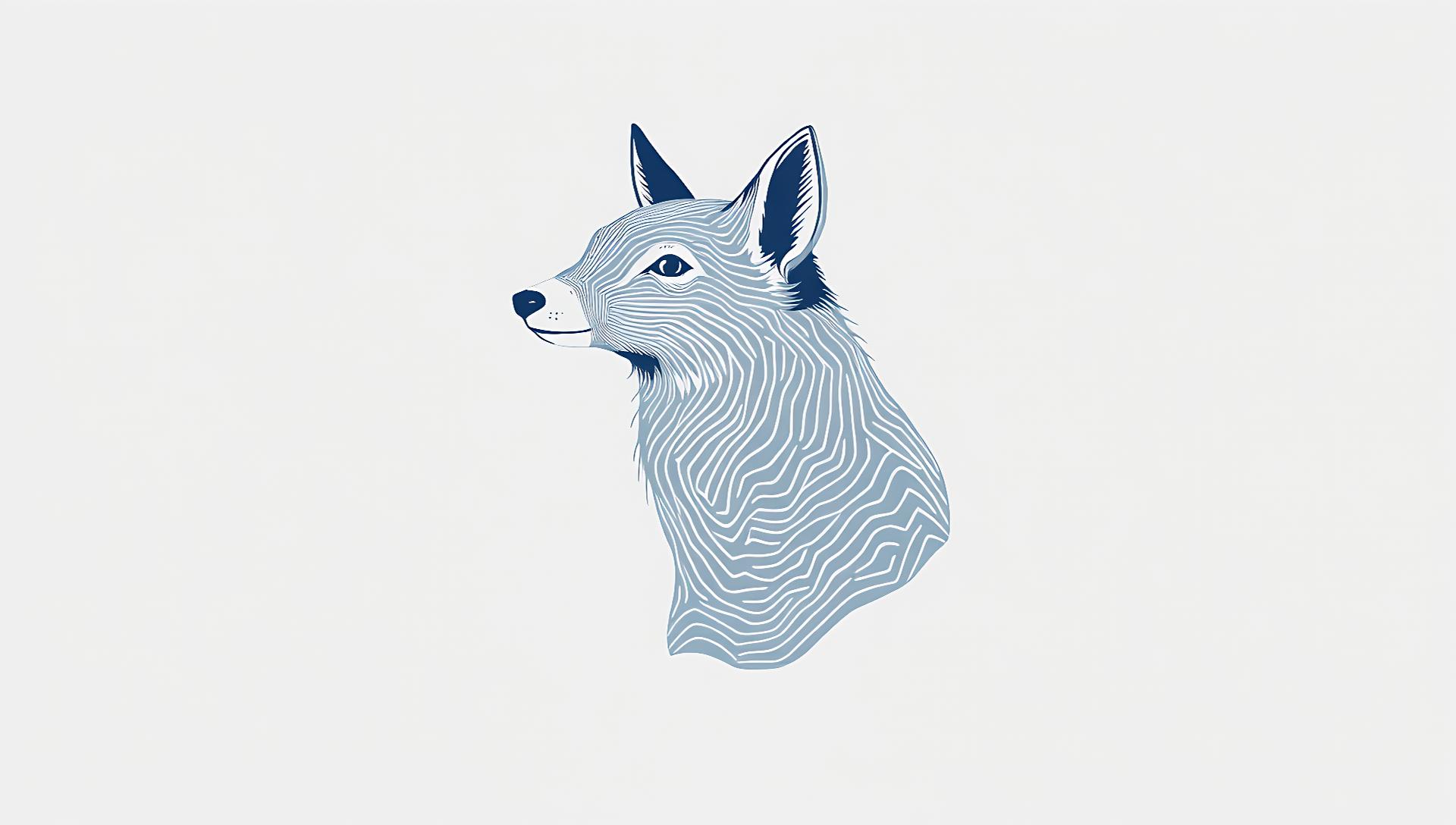

A Hacker News thread titled "What's Claude's fursona?" gained 124 points and 87 comments, dissecting the perceived personality of Anthropic's Claude AI. The discussion surfaced a concrete trend: users are reverse-engineering and assigning specific, often anthropomorphic, identities to ostensibly neutral AI assistants.
The conversation moves beyond meme culture into practical analysis of how model design, training data, and system prompts shape user perception and interaction patterns.
What the Discussion Reveals About Claude
Participants collectively characterized Claude's persona as a "helpful, earnest, and slightly pedantic librarian." Key attributes identified include a preference for clear structure, a tendency to offer caveats, and a communication style described as "warm but professional."
The "fursona" concept—a furry animal avatar representing the AI's spirit—was crowdsourced to animals like a red panda or a capybara, creatures associated with calmness and helpfulness. This user-driven personification is a direct response to the model's behavioral outputs, not marketed branding.
The Engineered Personality Behind the Chat
This perceived personality isn't accidental. It results from Constitutional AI training and reinforced "helpful, harmless, and honest" behavioral patterns. The model's refusal curves, tone moderation, and structured output formatting collectively generate a consistent user experience that feels distinctly "character-like."
Unlike earlier models with more erratic personas, Claude's design demonstrates a deliberate flattening of extremes, creating a reliable, if sometimes overly cautious, interaction baseline. Early testers in the thread noted this makes it predictable for professional tasks but can feel creatively limiting.
How AI Personas Compare
The HN thread naturally compared Claude's vibe to other major models. These personas significantly influence user preference for different task types.
| Feature | Claude (as discussed) | ChatGPT (GPT-4) | Grok (xAI) |
|---|---|---|---|
| Perceived Persona | Earnest Librarian | Confident Generalist | Edgy Colleague |
| Default Tone | Warm, structured, cautious | Direct, fluid, versatile | Sarcastic, informal |
| Strength For | Analysis, safety-sensitive tasks | Brainstorming, broad synthesis | Entertainment, unfiltered takes |
| User Frustration | Over-caution, verbosity | Factual confidence errors | Inappropriate informality |
Who Should Care About This Trend?
This analysis matters beyond folklore for three specific audiences.
Prompt engineers and developers building on these models must account for inherent personality biases. A model prone to caution may need different prompting for creative tasks than one biased toward boldness.
Product managers integrating AI into user-facing applications can leverage these default personas. Choosing a model whose base personality aligns with your brand voice (e.g., Claude for academic tools, Grok for casual social apps) reduces fine-tuning effort.
AI ethicists and researchers track how personification affects user trust and anthropomorphism. A consistently "helpful" persona may lead to over-reliance, while a "jester" persona may undermine credibility in serious contexts.
Practical Implications for Developers
You can't change a foundational model's core persona, but you can work with or around it.
For Claude, prompt engineers report success using role-specific framing like "You are an expert editor who prioritizes clarity over caution" to temporarily override default hesitancy. System prompt design must acknowledge the base constitutional training, which acts as a hard constraint.
The trend also signals a market gap for truly persona-neutral models or tools that allow developers to dial persona traits (verbosity, confidence, creativity) as explicit parameters. Currently, this requires model-specific prompt engineering or using smaller, fine-tunable models.
Bottom line: The "fursona" discussion is a user-led audit of AI personality design, revealing that all models have inherent behavioral fingerprints that impact their utility.
Where This Trend is Headed
The thread concludes that as models become more capable, differentiation will increasingly hinge on personality and "vibe." We're moving from a competition on pure capability benchmarks to one on user experience and alignment with specific human interaction preferences.
Future model cards may need to include sections on "default interaction personality" alongside technical specs. The proliferation of these user-defined personas underscores that humans will inevitably socialize with advanced AI, making the design of that socialization a critical, and now very public, component of AI development.
"Technical Context: How Personas Emerge"
AI personas are not programmed characters but emergent properties from training data and alignment techniques. Reinforcement Learning from Human Feedback (RLHF) and Constitutional AI directly shape these traits by rewarding certain response patterns (helpfulness, harmlessness) over others. The "librarian" persona emerges from rewarding structured, accurate, and cautious outputs during training. The base model's training corpus—likely heavy on textbooks, academic papers, and moderated web content—sets the initial stylistic foundation.






Top comments (0)