

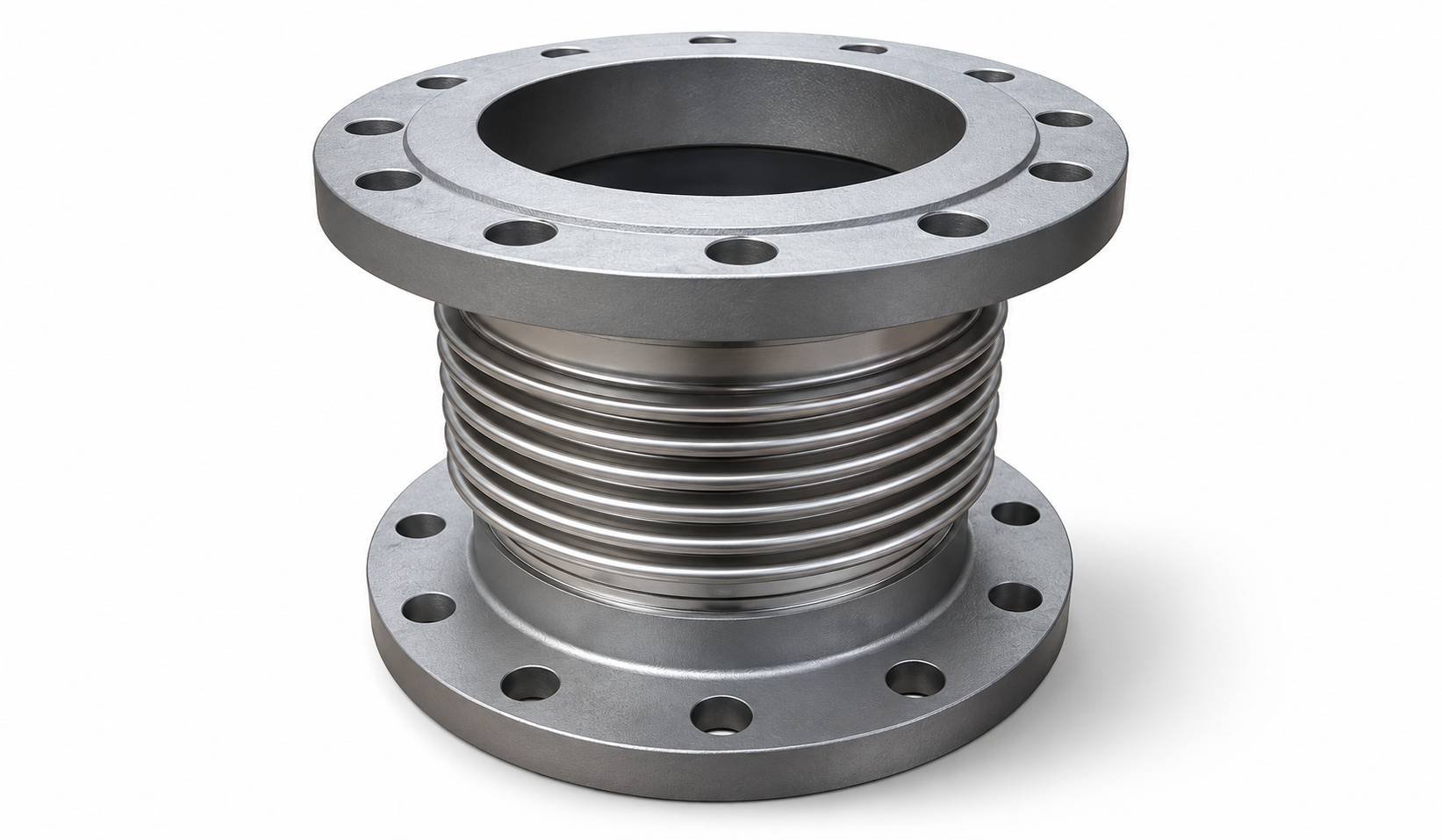
An Expansion Joint is an important part of many marine systems because it allows pipes and equipment to move safely when temperature, pressure, or vibration changes. Without it, stress can damage connected parts, leading to leaks, cracks, or costly repairs. Choosing the correct Expansion Joint helps protect engines, exhaust systems, cooling lines, and piping while extending the life of your vessel. Boat owners, commercial operators, and marine repair businesses all benefit from using the right marine components together. When every part works as designed, maintenance becomes easier, downtime is reduced, and the vessel stays reliable even during demanding daily operations.
What Is an Expansion Joint and Why Does It Matter?
An Expansion Joint is a flexible connector placed between two sections of piping or equipment. Its main job is to absorb movement caused by heat, vibration, pressure changes, or slight misalignment. Marine environments are constantly changing. Engines generate heat, waves create movement, and continuous operation places stress on connected systems. Without flexibility, this stress can damage pipes, pumps, valves, and surrounding equipment.
From practical maintenance experience, one common issue is seeing rigid piping develop small cracks after long periods of engine vibration. Installing the correct Expansion Joint often reduces these problems because the movement is absorbed before damage reaches expensive components. This simple part can prevent repairs that cost far more than the joint itself.
How Expansion Joints Improve Marine Reliability?
Every vessel experiences movement while operating. Whether it is a fishing boat, commercial workboat, passenger vessel, or leisure yacht, engine vibration and changing temperatures affect onboard systems every day.
A properly selected Expansion Joint provides several important benefits:
- Absorbs thermal expansion and contraction
- Reduces vibration transferred through piping
- Helps prevent leaks and cracked connections
- Protects pumps, valves, and engine components
- Extends the working life of connected equipment
- Lowers maintenance costs over time These advantages become even more valuable for commercial operators who depend on reliable daily performance with minimal downtime.
Choosing the Right Expansion Joint
Not every Expansion Joint is suitable for every marine application. Selecting the correct model depends on several factors including operating temperature, pressure, pipe size, fluid type, available installation space, and expected movement.
Marine engineers often recommend checking the full operating conditions instead of selecting a joint based only on dimensions. A joint that handles vibration well may not be suitable for high temperatures, while another designed for exhaust systems may not perform correctly in cooling water applications.
Good installation also matters. Even the highest-quality Expansion Joint cannot perform correctly if it is installed under excessive twisting or incorrect alignment. Careful fitting helps the joint deliver its full service life.
Working Together with Boat Anodes
An Expansion Joint protects mechanical movement, but corrosion protection is equally important in marine environments. This is where Boat Anodes play a major role.
Boat Anodes protect underwater metal components from galvanic corrosion by sacrificing themselves before valuable equipment begins to corrode. Shafts, propellers, rudders, trim tabs, and other submerged metal parts all benefit from proper anode protection.
From regular maintenance inspections, one of the easiest ways to identify a healthy corrosion protection system is by checking the condition of Boat Anodes. When they wear evenly over time, they are usually doing their job correctly. Ignoring worn anodes may allow corrosion to attack expensive metal components that cost much more to replace.
Using both Expansion Joints and Boat Anodes together supports the long-term reliability of marine systems by reducing both mechanical stress and corrosion damage.
Why Exalto Marine Cutlass Bearings Are Also Important?
Another essential marine component is Exalto Marine Cutlass Bearings. These bearings support the propeller shaft while allowing smooth rotation inside the stern tube. Proper shaft alignment and stable bearing support help reduce vibration throughout the drivetrain.
When Exalto Marine Cutlass Bearings begin to wear, vibration levels may increase. This additional movement can place more stress on nearby piping and equipment, including any installed Expansion Joint. Replacing worn bearings at the correct maintenance interval helps maintain smooth shaft operation and reduces unnecessary mechanical strain across the vessel.
Many experienced marine repair teams inspect Expansion Joints, Boat Anodes, and Exalto Marine Cutlass Bearings during the same scheduled service because these components all contribute to overall vessel reliability.
Regular Inspection Makes a Big Difference
Marine equipment operates in one of the toughest working environments. Saltwater, engine vibration, changing temperatures, and continuous movement all affect equipment performance over time.
Routine inspections often identify early signs of wear before failures occur. During maintenance, technicians usually look for cracks, surface wear, corrosion, loose connections, excessive movement, damaged rubber, and signs of leakage around Expansion Joints.
Boat Anodes should also be checked regularly for remaining material, while Exalto Marine Cutlass Bearings should be inspected for excessive shaft movement or abnormal wear. Preventive maintenance almost always costs less than emergency repairs after a system failure.
Why Marine Control SL Is a Trusted Marine Partner?
Marine Control SL has built its reputation by supplying dependable marine components that meet the needs of professional operators, repair specialists, and boat owners. The company understands that every vessel depends on reliable equipment that performs consistently under demanding marine conditions.
Rather than focusing only on individual products, Marine Control SL supports complete marine maintenance by helping customers select components that work together effectively. This practical approach helps reduce downtime, improve equipment life, and support safe vessel operation across many different marine applications.
Conclusion
A well-selected Expansion Joint is a small component that delivers significant long-term value by reducing vibration, handling movement, and protecting critical marine systems. Combined with proper maintenance, quality Boat Anodes, and reliable Exalto Marine Cutlass Bearings, it helps improve vessel safety, efficiency, and equipment life. Marine Control SL continues to support boat owners, commercial operators, and marine repair professionals with dependable marine expertise and quality solutions built for demanding marine environments.
Frequently Asked Questions
1. What does an Expansion Joint do on a boat?
An Expansion Joint absorbs movement caused by heat, vibration, pressure changes, and slight misalignment, helping protect marine piping and connected equipment.
2. How often should an Expansion Joint be inspected?
Most marine maintenance schedules include visual inspections during regular servicing. The inspection frequency depends on operating hours and working conditions.
3. Can a damaged Expansion Joint cause leaks?
Yes. Cracks, wear, or failed seals may allow leaks, reduce system efficiency, and increase stress on surrounding equipment.
4. Why are Boat Anodes important with marine piping systems?
Boat Anodes protect underwater metal parts from galvanic corrosion, helping preserve important marine components while the Expansion Joint protects against mechanical stress.
5. How do Exalto Marine Cutlass Bearings support marine performance?
Exalto Marine Cutlass Bearings keep the propeller shaft properly supported, reduce vibration, improve shaft stability, and help lower stress throughout the vessel's mechanical systems.






Top comments (0)