
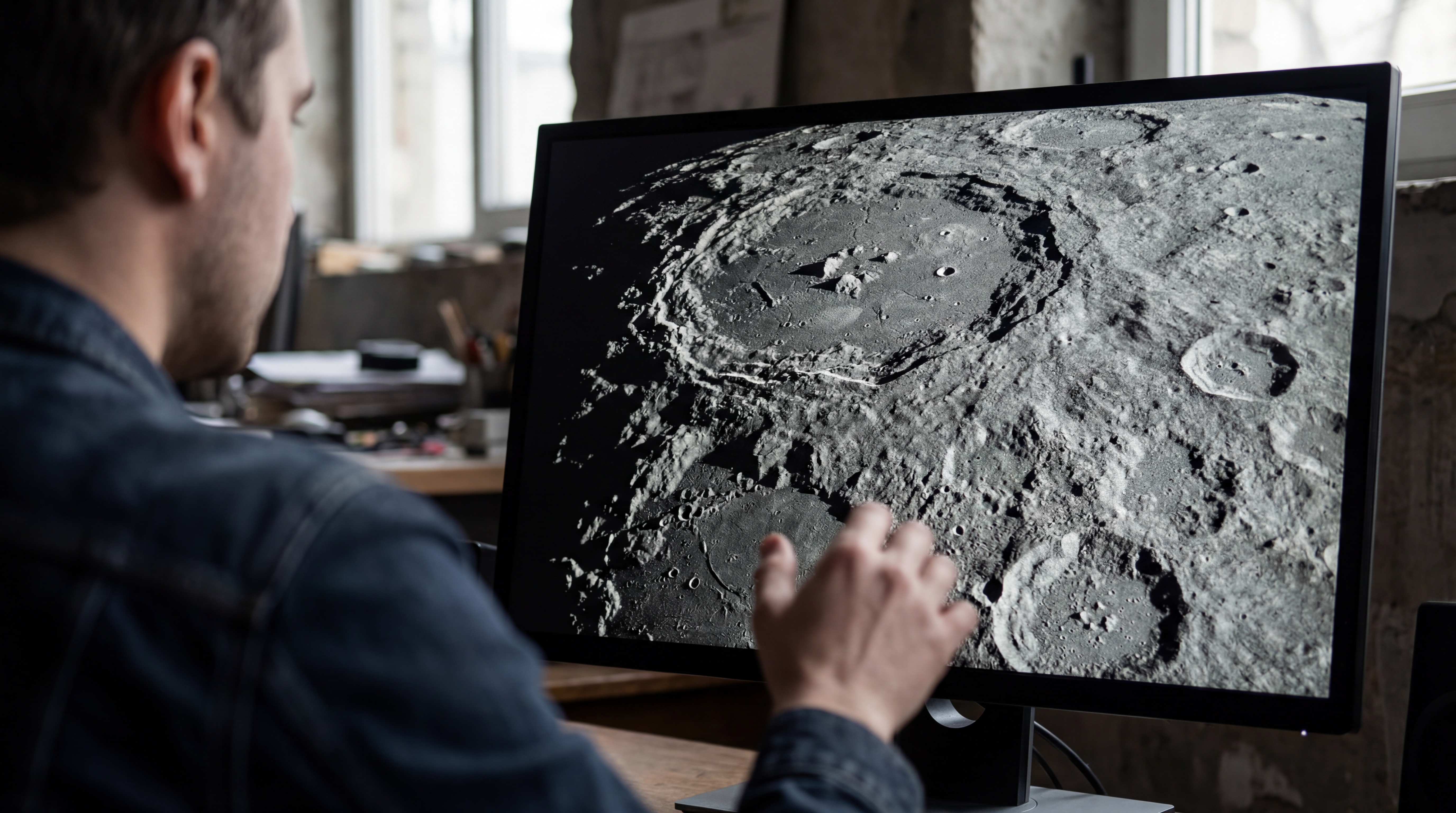

Black Forest Labs' latest release, FLUX.2 [klein], introduces a compact model series for real-time local image generation and editing, marking a significant advancement in accessible AI tools.
This article was inspired by "FLUX.2 klein launch" from Hacker News.
Read the original source.Model: FLUX.2 [klein] | Parameters: 4B / 9B | Speed: 0.3-0.5s per image
VRAM: 8.4 GB (4B) / 19.6 GB (9B) | License: Apache 2.0 (4B) / Non-commercial (9B)
Sub-Second Generation on Consumer GPUs
The 4B variant generates 1024x1024 images in under one second, achieving speeds 30% faster than competing local solutions. It operates on an RTX 4070 or 3090 without requiring custom optimizations, making it ideal for everyday hardware. The 9B model prioritizes photorealism over the 4B's speed, while both support seamless text-to-image generation and direct editing.
| Feature | FLUX.2 klein 4B | FLUX.2 klein 9B | Qwen-Image-Edit |
|---|---|---|---|
| Speed | 0.3s | 0.5s | ~2s |
| VRAM | 8.4 GB | 19.6 GB | 20+ GB |
| Editing | Yes | Yes | Yes |
| License | Apache 2.0 | Non-commercial | Open |

Why This Matters for Local Workflows
Local tools like Qwen-Image require 12-16 GB VRAM for text-to-image tasks, but integrated editing has been slower and less efficient. Qwen-Image-Edit, with its 20B parameters, previously took around 2 seconds per operation, limiting real-time applications. FLUX.2 [klein] addresses this by combining generation and editing in one model that runs in under a second, enabling developers to build responsive creative software.
Bottom line: First model to deliver both generation and editing under one second on consumer hardware.
"Where to access"






Top comments (0)