
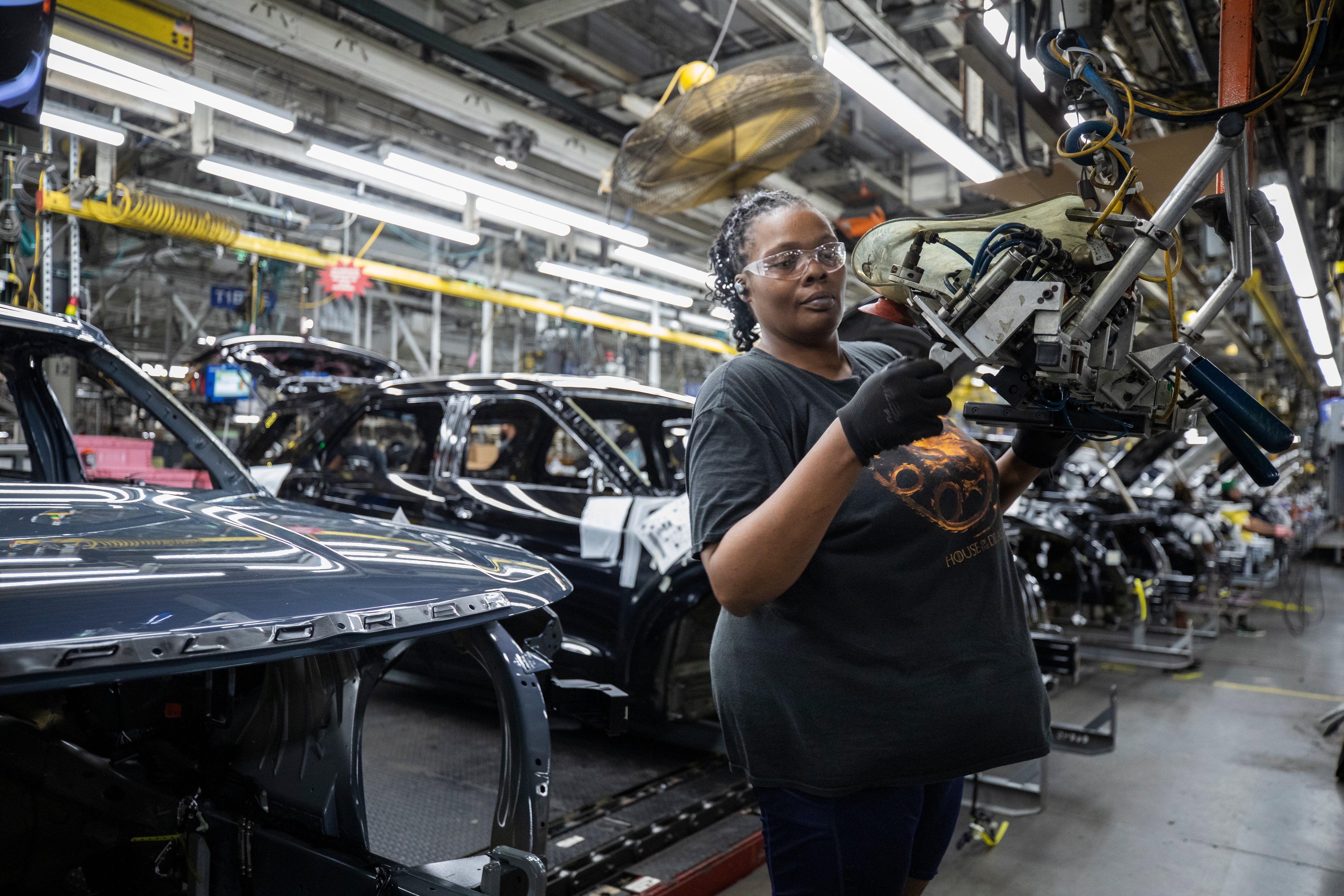

Ford replaced human workers with AI-driven automation systems and later reversed the decision after performance declined. The episode, first discussed in detail on Hacker News, drew 112 points and 58 comments.
What Happened at Ford
Ford cut staff in several manufacturing and support roles while deploying AI tools for quality control, scheduling, and parts ordering. Output metrics fell within months. The company rehired personnel and scaled back the AI scope.
The change affected both assembly operations and administrative functions. No public data on exact headcount reductions or restored positions has been released.
Technical Shortcomings Observed
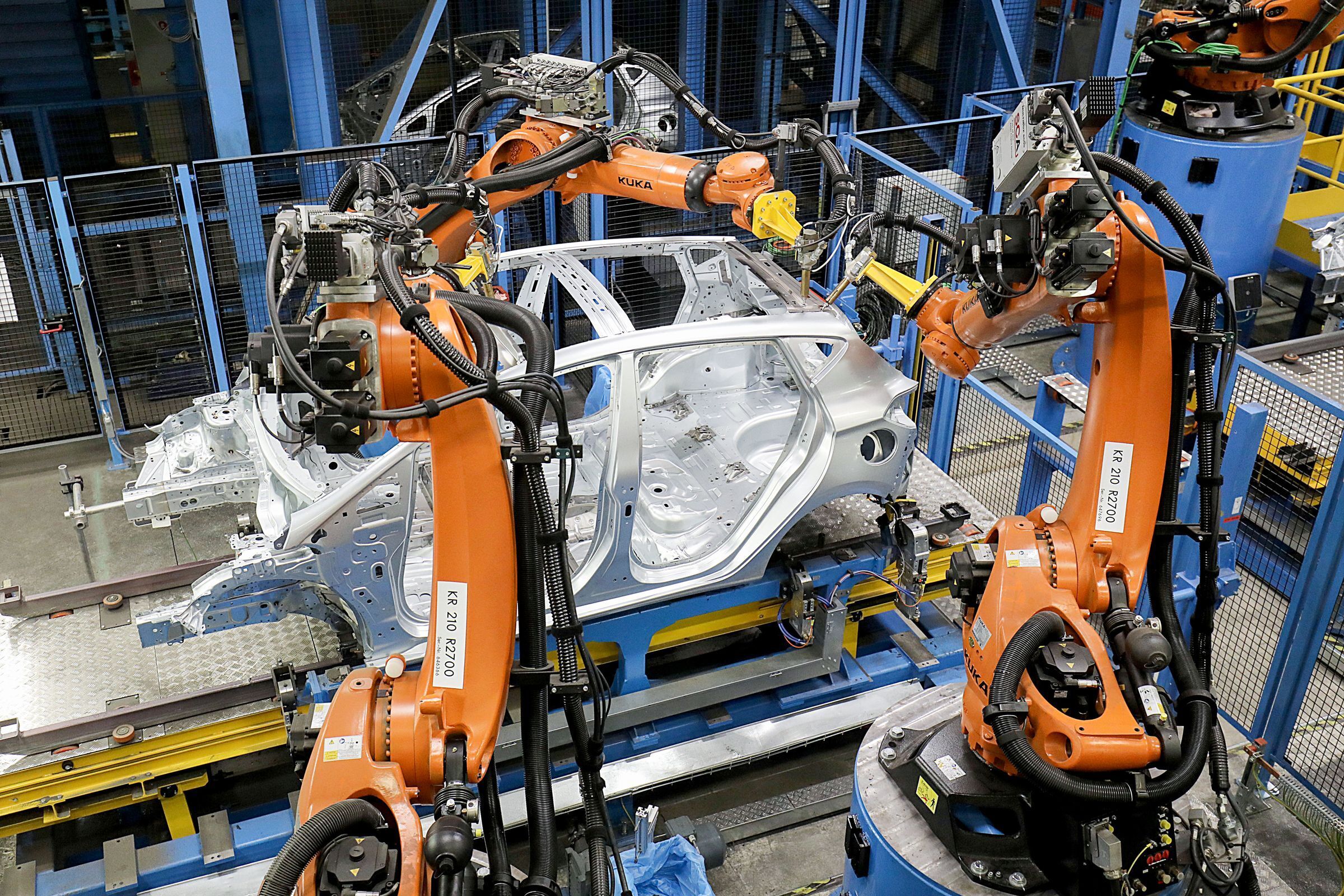
AI systems struggled with edge cases on the production line that human operators handled routinely. Error rates rose in paint inspection and weld verification tasks.
Integration between the new AI platforms and legacy factory software created additional delays. Recovery time after each incident exceeded previous manual processes.
Comparison With Other Automakers
Toyota and Volkswagen maintained higher human oversight ratios during similar AI pilots. Both reported fewer reversals in published updates.
| Company | AI Scope | Human Oversight | Reported Outcome |
|---|---|---|---|
| Ford | Broad replacement | Reduced | Reversed after issues |
| Toyota | Assistive only | Maintained | Stable rollout |
| Volkswagen | Targeted tasks | Partial | Incremental gains |
Pros and Cons of Rapid AI Rollouts
- Pros: Potential labor cost reduction when systems match narrow, high-volume tasks.
- Pros: Faster data collection for later model improvement.
- Cons: Loss of tacit knowledge that AI models currently fail to capture.
- Cons: Higher total cost when rehiring and retraining become necessary.
Who Should Apply These Lessons
Manufacturing firms running mixed-model production lines should retain experienced staff during initial AI deployment. Companies with highly repetitive single-product lines face lower risk.
Startups building AI tools for factories gain from studying the Ford case before promising full workforce substitution.
Practical Steps for AI Integration
Audit current processes for tasks where human judgment still outperforms current models. Run parallel pilots with full staffing for at least six months. Track both throughput and exception handling rates before any headcount decisions.
Document tacit knowledge from operators who handle anomalies. Feed those cases into training data or rule-based guardrails.
Verdict
Ford's experience shows that current AI systems still require substantial human backup in complex physical environments. Companies that treat automation as a direct substitute rather than a complement face measurable operational setbacks.
The episode reinforces the need for measured rollout timelines and retained domain expertise even after initial deployment.





Top comments (0)