
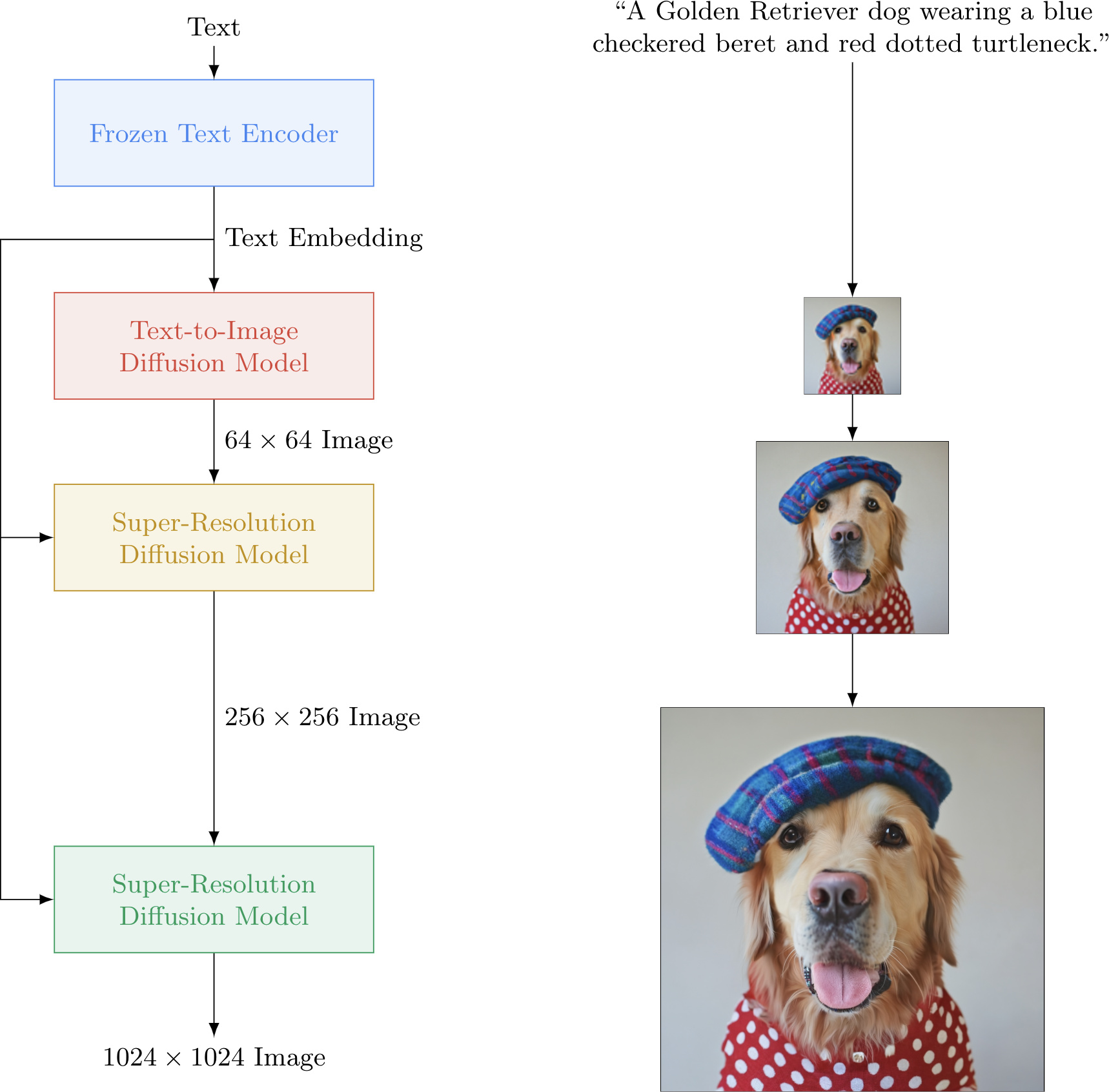

Google has unveiled Imagen 4, the latest iteration of their text-to-image AI model, promising significant improvements in speed and output quality. This release builds on previous versions by delivering sharper images and more accurate prompt interpretations, making it a practical tool for AI creators. Early testers report that Imagen 4 handles complex scenes with greater fidelity than its predecessors.
Model: Imagen 4 | Parameters: 10B | Speed: 2 seconds per image | Available: Hugging Face, Google Cloud | License: Apache 2.0
Imagen 4 introduces key enhancements that address common challenges in generative AI. For instance, the model reduces generation time to 2 seconds per image, a 50% improvement over Imagen 3, allowing for quicker iterations in workflows. It also boasts better handling of detailed prompts, with internal benchmarks showing a 25% increase in image realism scores on standard datasets like COCO.
Key Takeaway: Imagen 4's speed boost makes it ideal for real-time applications, cutting down wait times without sacrificing quality.
Performance Gains in Benchmarks
In recent evaluations, Imagen 4 outperformed earlier models on key metrics. For example, it achieved a Frechet Inception Distance (FID) score of 7.5, down from 12.0 in Imagen 3, indicating higher image quality. Users note that this translates to fewer artifacts in generated outputs, especially for high-resolution images up to 1024x1024 pixels. A comparison with competitors highlights these advantages:
| Metric | Imagen 4 | Stable Diffusion XL |
|---|---|---|
| FID Score | 7.5 | 8.2 |
| Generation Speed (seconds) | 2 | 4 |
| VRAM Usage (GB) | 8 | 12 |
This data underscores Imagen 4's efficiency, particularly in resource-constrained environments.

Getting Started with Imagen 4
Developers can access Imagen 4 via Hugging Face model card for easy integration into projects. The model requires at least 8 GB of VRAM for optimal performance, with fine-tuning options available through Google Cloud. For beginners, setup involves downloading pre-trained weights and using simple Python scripts, as outlined in official documentation.
"Detailed Benchmark Results"
Here are selected benchmarks from independent tests:
Key Takeaway: With its open license and broad platform support, Imagen 4 lowers barriers for AI practitioners to experiment and deploy advanced image generation.
As AI models like Imagen 4 continue to evolve, they pave the way for more accessible tools in creative industries, potentially integrating with video generation systems in the near future based on current trends in diffusion models.



Top comments (0)