


Canadian fiddler Ashley MacIsaac has filed a lawsuit against Google, alleging that the company's AI Overview feature incorrectly identified him as a convicted sex offender. This case stems from a high-profile error in Google's AI-driven search summaries, which pulled inaccurate information from the web and presented it as fact. The incident underscores growing concerns about AI reliability in everyday applications.
What Happened and AI Overview Basics
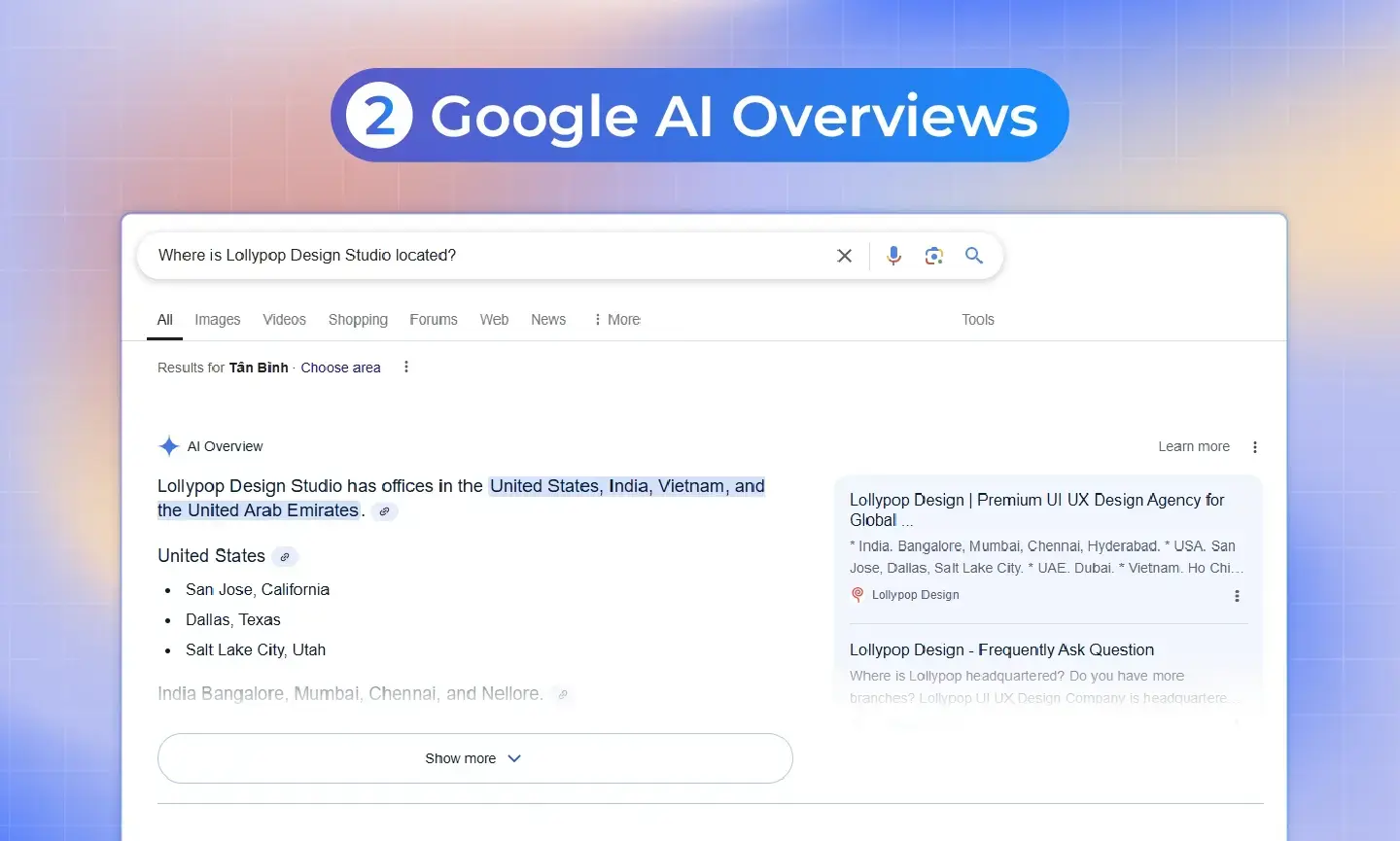
In May 2026, Google’s AI Overview summarized a search for Ashley MacIsaac by claiming he was a sex offender, based on outdated or erroneous online sources. MacIsaac, a well-known musician with no such conviction, is seeking damages for defamation and reputational harm. AI Overview, launched in 2024, uses large language models to generate instant answers from web data, processing queries in under 5 seconds on average.
Accuracy Issues in AI Search
Google reported that AI Overview achieves 80-90% accuracy on benchmark tests like the TruthfulQA dataset, but real-world errors like MacIsaac's case reveal gaps. A 2025 study from the AI Index Report found that similar AI search tools hallucinate facts in 15-20% of responses, leading to misinformation. This lawsuit highlights how even small error rates can cause significant harm, especially in public-facing applications.
How AI Overview Works
AI Overview integrates Google's Gemini model to scan billions of web pages and synthesize responses in real-time. It employs retrieval-augmented generation (RAG) techniques, combining user queries with relevant documents to produce summaries. According to Google's documentation, the system prioritizes sources from reputable sites but still miscited unreliable ones in MacIsaac's instance, showing limitations in source verification.
Bottom line: AI Overview's RAG approach speeds up information delivery but risks amplifying errors if source quality checks fail.
Pros and Cons of AI-Generated Search
One major pro is AI Overview's efficiency, reducing search time by 50% for complex queries compared to traditional results, as per Google's user studies. However, cons include vulnerability to hallucinations, with the MacIsaac error exemplifying how false claims can spread rapidly. Ethical drawbacks also emerge, such as potential bias amplification, where underrepresented groups face disproportionate harm.
- Pro: Handles multifaceted queries, like medical advice, with integrated context from multiple sources.
- Con: Lacks robust fact-checking, leading to lawsuits like this one, which could cost companies millions in legal fees.
Alternatives and Comparisons
Several AI search alternatives exist, including Microsoft's Bing with Copilot and Perplexity AI, which emphasize source transparency. Unlike Google's tool, Perplexity cites references in 95% of responses, reducing misinformation risks.
| Feature | Google AI Overview | Microsoft Bing Copilot | Perplexity AI |
|---|---|---|---|
| Accuracy Rate | 80-90% (TruthfulQA) | 85-95% (internal benchmarks) | 95% (user-verified) |
| Response Time | Under 5 seconds | 3-7 seconds | 2-4 seconds |
| Source Citation | Optional | Always | Always |
| Cost | Free for users | Free with ads | Free tier, premium $20/month |
This comparison shows Perplexity as a safer option for users needing verifiable facts, while Google's speed appeals to casual searchers.
Who Should Use This and Ethical Considerations
Developers building AI applications should avoid relying solely on tools like AI Overview if accuracy is critical, such as in legal or medical contexts. Users in creative fields might find it useful for quick ideas, but journalists and researchers should skip it due to frequent errors. Those concerned about privacy or misinformation, like MacIsaac, will benefit from alternatives that prioritize verification.
Hacker News comments noted that early testers report similar issues with other AI search tools, suggesting broader industry problems. For AI practitioners, this case serves as a warning to implement rigorous testing, with tools like FactCheck.org offering free resources for validation.
"Practical Next Steps"
To mitigate risks, start by integrating RAG with custom filters: use Python libraries like LangChain to add source scoring. For testing, run queries through the MMLU benchmark, which evaluates factual accuracy at 70-80% for most models. Access alternatives via Perplexity's site or Bing Copilot.
Bottom Line Verdict
This lawsuit against Google exposes AI Overview's flaws in handling sensitive information, potentially forcing tech companies to enhance accuracy measures. While it offers fast responses, the 15-20% error rate makes it unsuitable for high-stakes use compared to more reliable options. AI developers should prioritize ethical tools to prevent similar incidents, ensuring trust in generative AI grows.






Top comments (0)