
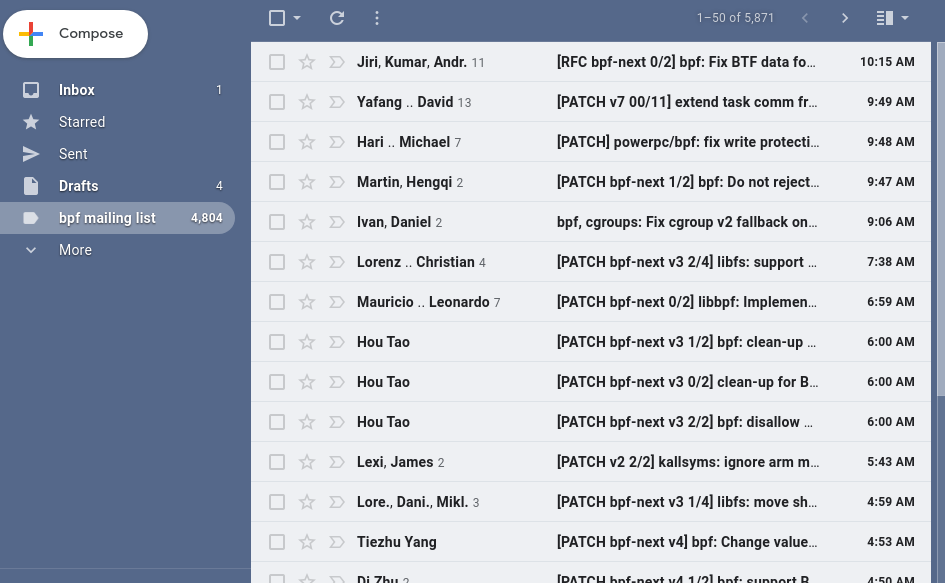

Linus Torvalds stated that AI-powered bug hunters have rendered the Linux security mailing list almost entirely unmanageable. The claim surfaced in a Hacker News thread that accumulated 162 points and 81 comments within days.
Scale of the Overload
The Linux security mailing list now receives a high volume of low-quality submissions generated by automated tools. Torvalds noted that many reports lack verification or context, forcing maintainers to spend disproportionate time filtering noise instead of addressing real vulnerabilities.
Early data from the discussion shows the list's signal-to-noise ratio has deteriorated sharply. Participants cited daily influxes that exceed previous manual reporting periods by several multiples.
How AI Bug Hunters Operate
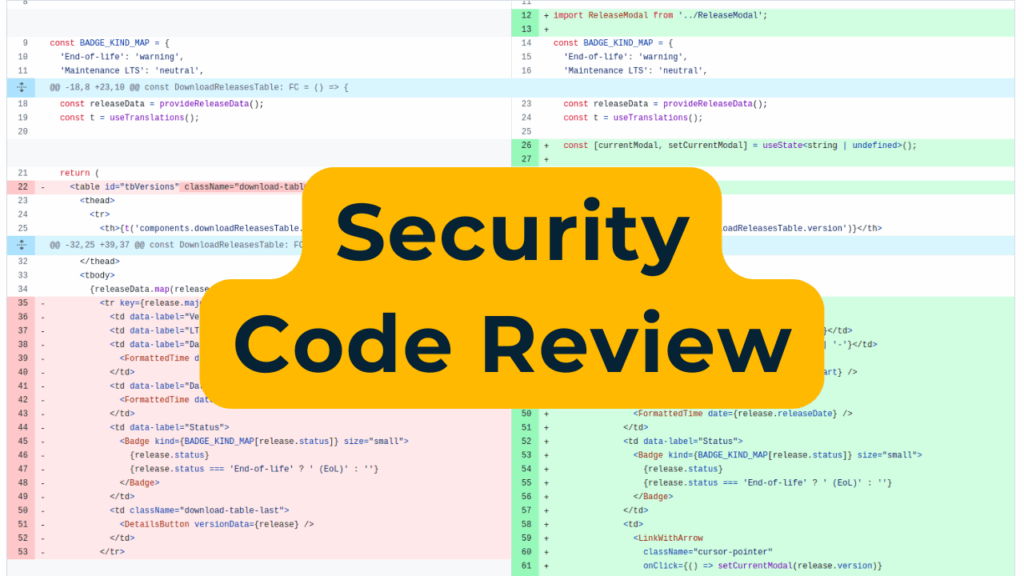
Modern AI tools scan public code repositories, apply static analysis models, and auto-generate bug reports. These systems produce structured output that mimics legitimate submissions, including CVE references and patch suggestions, without human review.
The process bypasses traditional triage steps. Reports arrive formatted for the mailing list but often contain false positives or duplicate findings already addressed in prior threads.
Community Feedback from Hacker News
HN commenters highlighted three recurring observations:
- Reproducibility of AI-generated reports remains low without additional manual confirmation
- Maintainers report spending 30-60 minutes per submission to validate basic claims
- Some developers suggest rate-limiting or CAPTCHA-style gates for new submissions
The thread also surfaced concerns about coordinated campaigns where multiple AI instances target the same kernel subsystems simultaneously.
Tradeoffs of Automated Security Scanning
Pros
- Faster initial discovery of surface-level issues in large codebases
- Consistent formatting that reduces certain classes of human error
- Scalable coverage across older kernel branches that receive less attention
Cons
- High false-positive rates that consume maintainer time
- Lack of exploitability assessment or real-world impact analysis
- Potential for report spam that obscures genuine zero-day findings
Comparison with Traditional Reporting
| Approach | Report Volume | Verification Time | False Positive Rate | Maintainer Load |
|---|---|---|---|---|
| Manual researcher | Low | 10-20 min | 15-25% | Moderate |
| AI bulk scanning | High | 30-60 min | 60-80% | High |
| Hybrid (AI + human) | Medium | 15-25 min | 30-40% | Manageable |
Traditional researcher reports still dominate high-severity kernel vulnerabilities. AI tools currently excel at volume but lag in depth.
Who Benefits and Who Should Adapt
Kernel subsystem maintainers and distro security teams face the immediate impact and should implement stricter submission guidelines or automated pre-filters. Security researchers using AI assistants can improve output quality by adding manual validation steps before posting.
Developers building new AI bug-finding tools should prioritize exploitability scoring and deduplication against existing CVE databases rather than raw report generation.
Bottom line: AI scanning increases raw bug report volume but shifts the bottleneck from discovery to verification, requiring new triage infrastructure for open-source projects.
The Linux experience suggests that future security workflows will need hybrid human-AI pipelines rather than fully automated submission systems.






Top comments (0)