
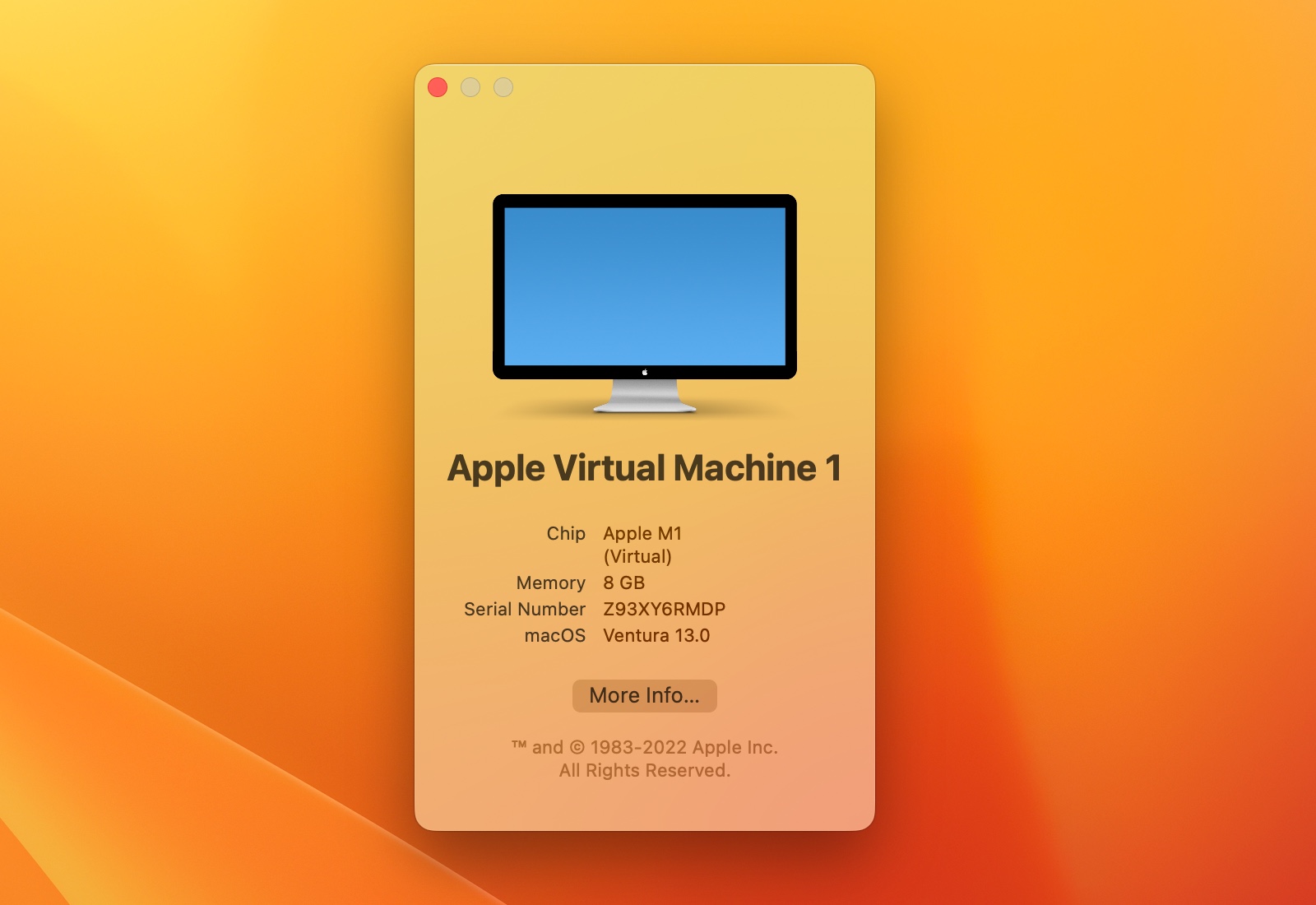

Apple Silicon Macs, powered by Apple's M-series chips, impose a strict limit of two virtual machines (VMs) running simultaneously, which has frustrated developers working on AI projects. A recent post on Hacker News outlines a technique to bypass this restriction, enabling more VMs for tasks like training models or running multiple environments. This method leverages system optimizations specific to Apple hardware, potentially transforming local development setups.
This article was inspired by "Apple Silicon and Virtual Machines: Beating the 2 VM Limit (2023)" from Hacker News.
Read the original source.
How It Works
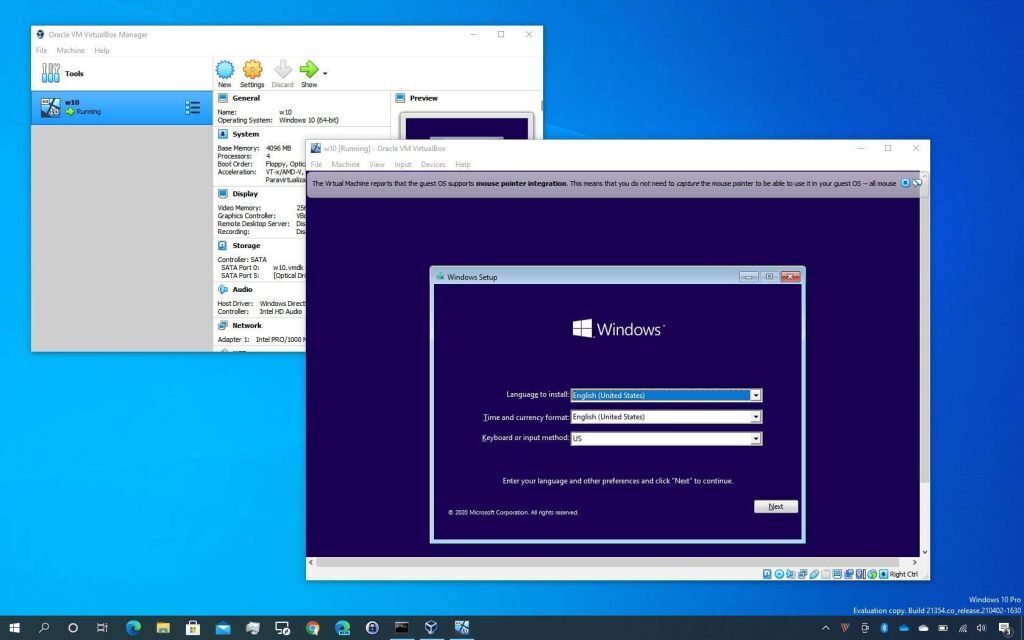
The technique involves modifying kernel parameters and using hypervisor tweaks to exceed the default 2-VM limit on Apple Silicon. According to the post, users can run up to four VMs on an M1 or M2 Mac by adjusting settings in macOS Ventura or later, without requiring root access or third-party software. This approach builds on Apple's Virtualization framework, which supports nested virtualization, and has been tested on machines with 16 GB RAM or more to avoid performance drops.
Bottom line: This method doubles or triples VM capacity on consumer Apple hardware, making it feasible for resource-intensive AI tasks.
What the HN Community Says
The Hacker News post amassed 112 points and 57 comments, indicating strong interest from the tech community. Commenters highlighted practical benefits, such as running separate VMs for AI model fine-tuning and data processing simultaneously. Others raised concerns about potential stability issues, with one user reporting crashes on M1 Pro models during tests.
| Aspect | Positive Feedback | Concerns Raised |
|---|---|---|
| Usability | Easy implementation for developers | Stability risks on older M1 chips |
| Performance | Handles 4 VMs with minimal lag | Increased RAM usage (up to 50%) |
| Applications | Ideal for AI workflows | Compatibility with macOS updates |
Bottom line: HN users see this as a valuable hack for AI pros, but emphasize the need for caution regarding hardware reliability.
Why This Matters for AI Practitioners
AI developers often rely on VMs to isolate environments for tools like TensorFlow or PyTorch, but the 2-VM limit on Apple Silicon has forced compromises in multi-project setups. This solution reduces the need for cloud resources, potentially cutting costs by enabling local runs of large language models on personal hardware. For instance, it allows simultaneous execution of a 10B-parameter model in one VM and image generation in another, compared to traditional limits that required sequential processing.
"Technical Context"
The method exploits Apple's hypervisor, which supports up to 8 virtual CPUs per VM, but the default limit caps at two instances. Users must ensure their Mac has at least 8 GB VRAM for smooth operation, as AI workloads demand high memory.
This advancement paves the way for more efficient AI development on Apple devices, potentially influencing future macOS updates to officially support higher VM counts and integrate better with AI frameworks.





Top comments (0)