

A Glimpse into Apollo's Brain
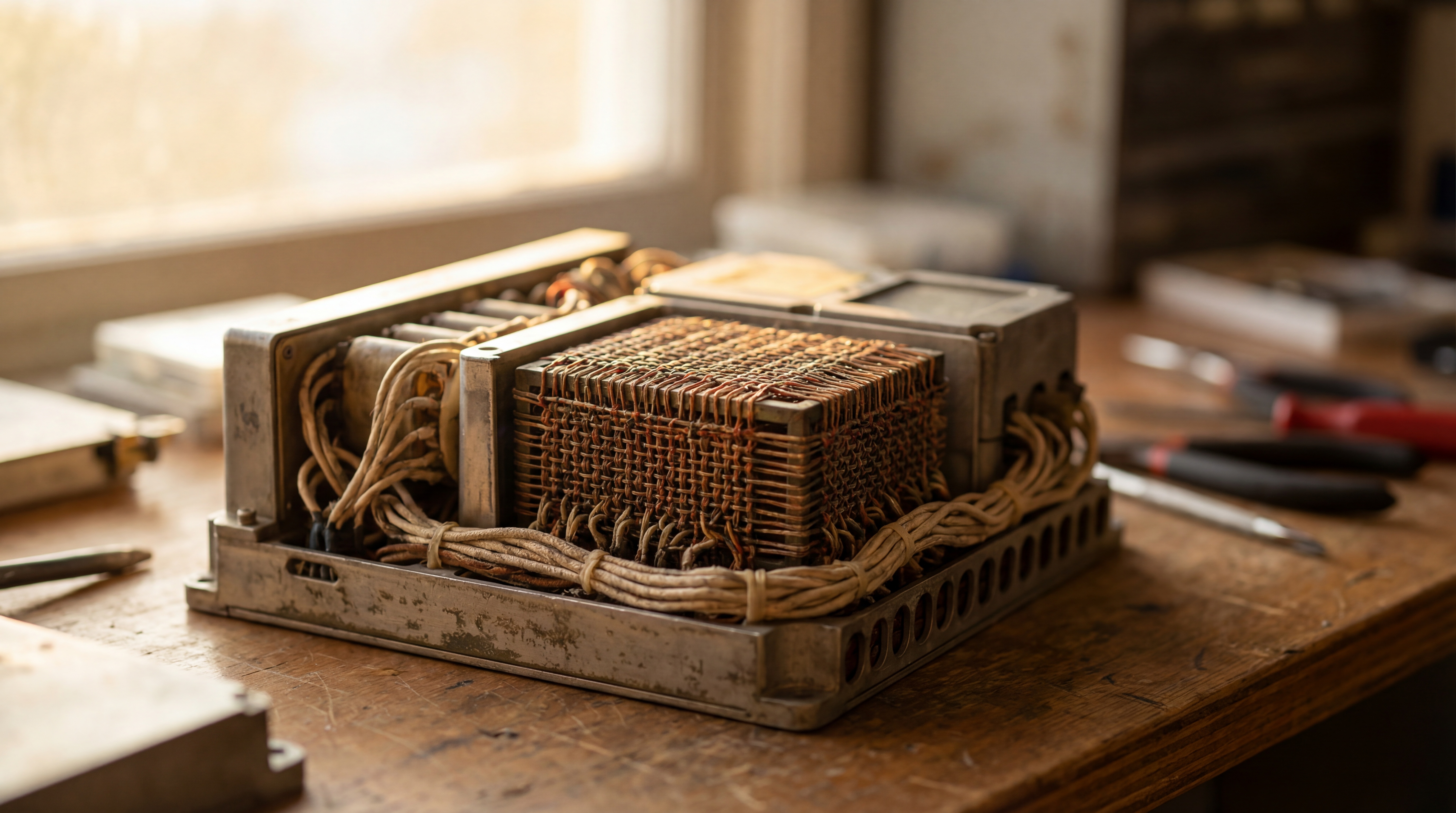
The Apollo Guidance Computer (AGC), a cornerstone of NASA's moon missions, relied on magnetic core memory—a technology that stored data using tiny magnetic rings. Developed in the 1960s, this system was critical for real-time navigation and control during the Apollo 11 landing, managing calculations with just 36 kilobytes of ROM and 2 kilobytes of RAM.
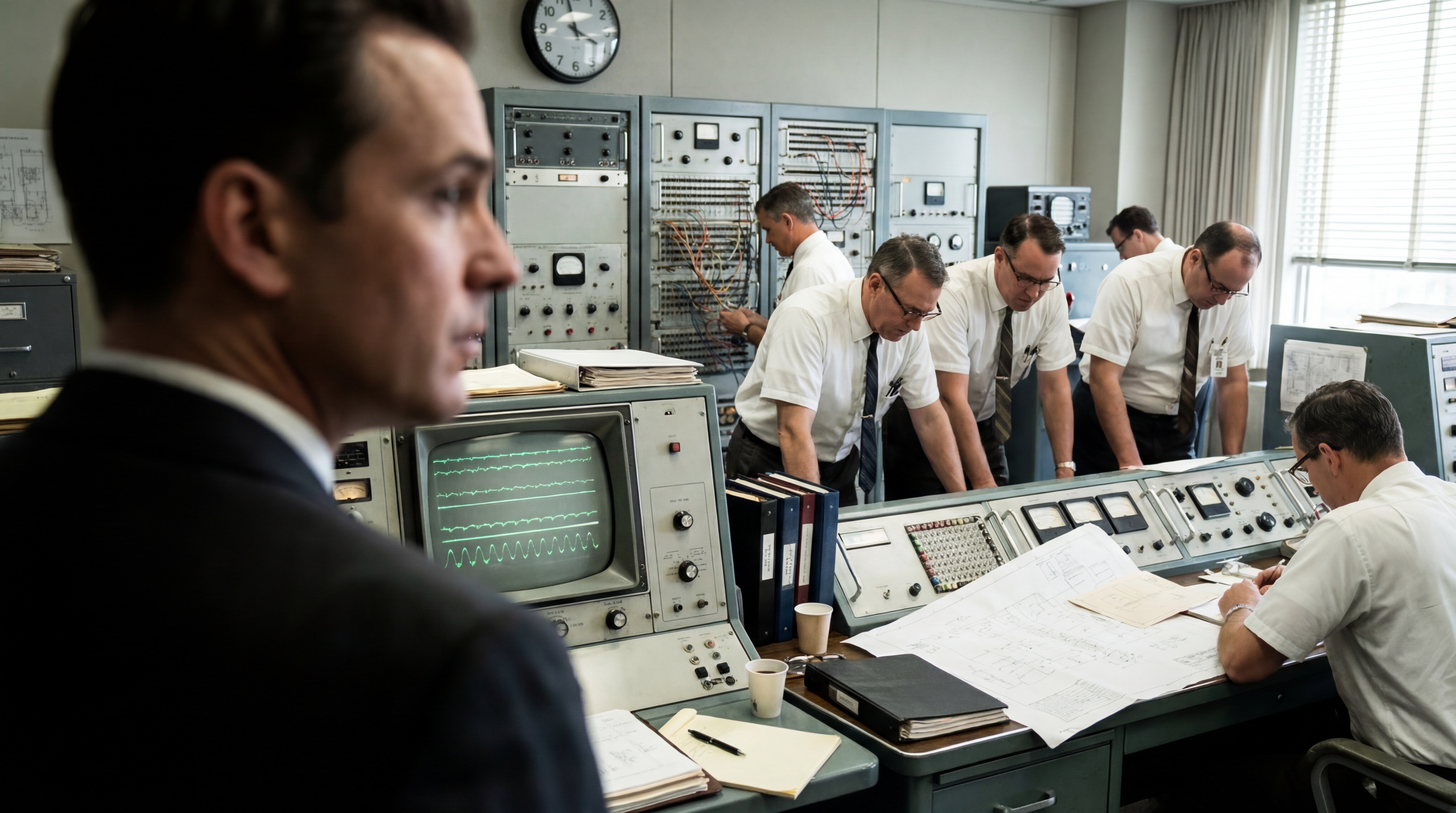
This hardware marvel, built by MIT's Instrumentation Laboratory, operated under extreme constraints yet achieved unprecedented reliability. Its design influenced early computing paradigms, some of which echo in modern AI hardware discussions.
This article was inspired by "Remembering Magnetic Memories and the Apollo AGC" from Hacker News.
Read the original source.
Why Magnetic Memory Mattered
Magnetic core memory in the AGC wasn't just durable—it was radiation-resistant, a necessity for space travel where cosmic rays could corrupt data. Each bit was physically stored in a woven grid of wires and ferrite cores, manually assembled with precision. This labor-intensive process ensured zero data loss during missions, a feat unmatched by many early digital systems.
Compared to today's AI hardware, which prioritizes speed and scalability, the AGC's memory prioritized stability. Modern neural network training on GPUs can process terabytes of data per second, but the AGC's design reminds us that reliability can trump raw power in critical applications.
| Feature | Apollo AGC Memory | Modern GPU Memory |
|---|---|---|
| Capacity | 36 KB ROM / 2 KB RAM | Terabytes |
| Speed | Milliseconds per access | Nanoseconds per access |
| Radiation Resistance | High | Low |
| Data Loss Risk | Near Zero | Variable |
Bottom line: The AGC's magnetic memory was a masterclass in engineering for reliability over speed—a lesson still relevant for AI in harsh environments.
Hacker News Reactions
The Hacker News discussion on this topic earned 11 points and 2 comments, reflecting niche but passionate interest. Key takeaways from the community include:
- Admiration for the sheer ingenuity of 1960s engineers working with limited tools.
- Curiosity about how magnetic memory principles could inspire radiation-hardened AI hardware for space exploration.
Though small, the conversation highlights a growing interest in historical tech as a source of inspiration for modern AI challenges.
Echoes in Today's AI Hardware
The AGC's constraints forced engineers to optimize every byte, a mindset that parallels today's edge AI development. Devices like Raspberry Pi or NVIDIA Jetson for IoT applications often operate with limited memory and power, much like the AGC did. Understanding magnetic memory's trade-offs could inform designs for AI systems in remote or hostile environments, such as deep-space probes or underwater drones.
Moreover, the AGC's use of hand-woven memory grids underscores the value of human craftsmanship in tech—a contrast to the automated fabrication of modern chips. Could hybrid approaches blending manual precision with AI-driven design yield breakthroughs in niche hardware?
Bottom line: Historical systems like the AGC offer untapped lessons for building robust AI hardware under extreme constraints.
"Technical Context of Magnetic Core Memory"
Magnetic core memory stored data by magnetizing tiny ferrite rings in one of two directions, representing binary 1s and 0s. Reading data required passing current through wires threaded through each core, detecting the magnetic state. While slow by today's standards—access times were in milliseconds—it was non-volatile, retaining data without power, unlike modern RAM.
Looking Ahead
As AI pushes into domains like space exploration and deep-sea research, the principles behind the Apollo AGC's magnetic memory could guide the next wave of resilient hardware. Revisiting these forgotten technologies might not just be nostalgia—it could be a practical step toward building AI systems that endure where modern silicon fails.




Top comments (0)