


Black Forest Labs isn't the only player optimizing hardware for AI; even basic Linux tweaks like enabling ZRAM can enhance performance for local model training and inference. A recent Hacker News post highlights ZRAM as a simple way to compress RAM pages, reducing the need for slower disk swaps and keeping AI workloads responsive on consumer hardware.
This article was inspired by "Reminder: Enable ZRAM on your Linux system to optimize RAM usage" from Hacker News.
Read the original source.
What ZRAM Does for Your System
ZRAM creates a compressed block device in RAM, effectively expanding available memory by compressing data on the fly. This feature, built into the Linux kernel since version 3.14, can reduce physical RAM usage by up to 50% in memory-constrained scenarios, according to kernel documentation. For AI practitioners running large language models on machines with 16 GB or less RAM, ZRAM minimizes swap thrashing, which often slows down inference speeds by 2-5x during peak loads.
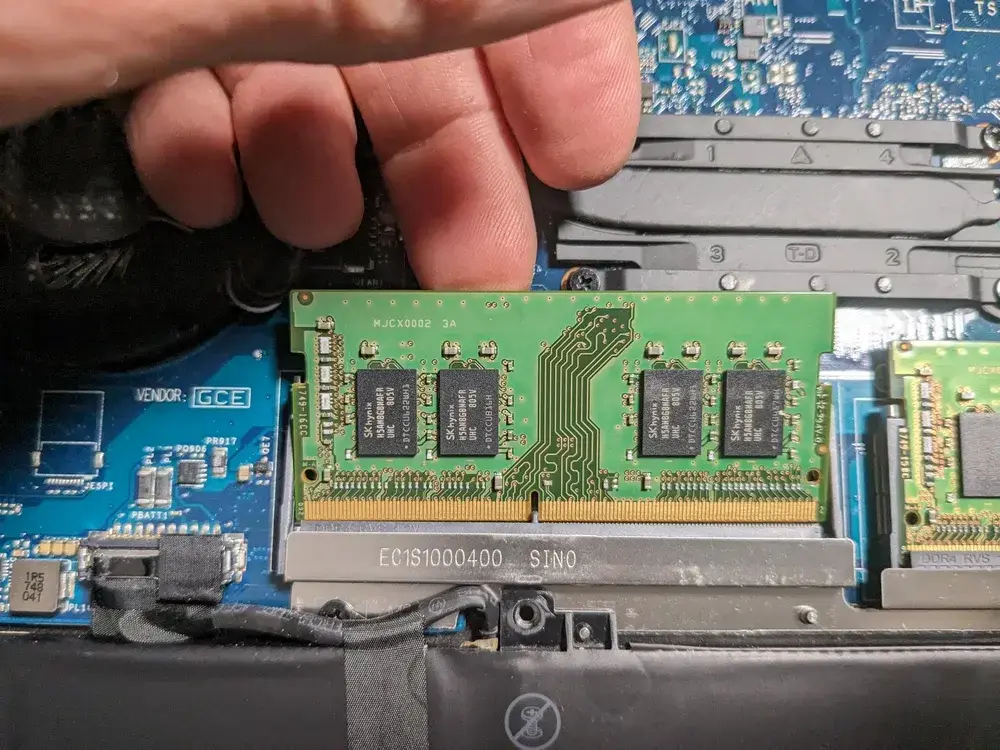
Benefits for AI Workflows
Enabling ZRAM optimizes RAM for tasks like fine-tuning models or generating images, where memory bottlenecks are common. The Hacker News discussion notes that systems with 8 GB RAM saw improved responsiveness in AI tools, with users reporting fewer out-of-memory errors. Compared to traditional swap, ZRAM operates entirely in RAM, offering faster access times—typically under 10 ms per operation—making it ideal for real-time applications like Stable Diffusion on local GPUs.
| Feature | ZRAM | Traditional Swap |
|---|---|---|
| Speed | Under 10 ms access | 100+ ms access |
| RAM Efficiency | Up to 50% compression | No compression |
| Overhead | Low CPU use | High disk I/O |
| Suitability | AI inference | Long-term storage |
Bottom line: ZRAM turns limited RAM into a more efficient resource, directly addressing memory challenges in AI development.
Community Reactions on Hacker News
The post accumulated 14 points and 6 comments, indicating moderate interest from the tech community. Commenters highlighted ZRAM's ease of setup on distributions like Ubuntu, with one user noting it as a "must-have for Raspberry Pi AI projects." Others raised concerns about CPU overhead, estimating an additional 5-10% usage during compression, which could impact high-compute AI tasks.
"Full HN Feedback"
In summary, ZRAM represents a practical, low-cost optimization for AI developers dealing with hardware limitations, potentially paving the way for more accessible on-device AI as tools grow more demanding.





Top comments (0)