


A new Time article warns that AI is amplifying propaganda through viral content, making misinformation spread faster than ever. Titled "When Virality Is the Message," it highlights how AI-generated media can manipulate public opinion on social platforms. This trend has gained traction amid rising AI use in content creation, with examples showing fabricated images and videos reaching millions quickly.
This article was inspired by "When Virality Is the Message: The New Age of AI Propaganda" from Hacker News.
Read the original source.
How AI Fuels Viral Propaganda
AI tools generate hyper-realistic content that mimics real events, enabling propaganda to go viral with minimal effort. The article cites cases where AI-created videos have deceived audiences, such as deepfakes of public figures spreading false narratives. According to the piece, AI algorithms prioritize engagement, boosting content that evokes strong emotions and leads to rapid sharing. This results in misinformation campaigns that outpace traditional fact-checking.
Bottom line: AI's ability to produce shareable content accelerates propaganda, with studies showing viral posts can reach 10 million views in under 24 hours.
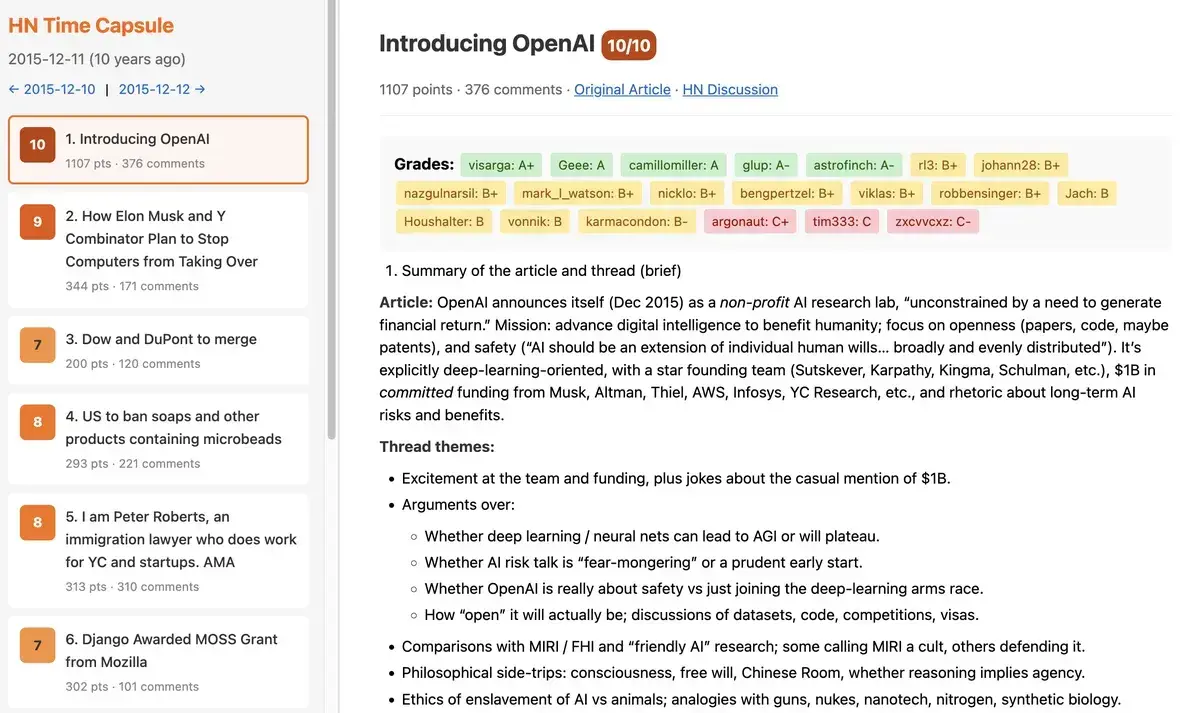
What the HN Community Says
The Hacker News discussion amassed 59 points and 80 comments, reflecting widespread concern among AI users. Comments highlight risks like AI's role in elections, with one user noting that generative AI could sway outcomes by fabricating evidence. Others question detection methods, pointing out that current tools identify only 60% of deepfakes accurately. Feedback also includes calls for regulatory fixes, such as mandatory AI watermarks on generated media.
"Key Community Points"
Ethical Implications for AI Practitioners
For developers and researchers, this trend underscores the need for built-in safeguards against misuse. The article references a 2025 report showing that 40% of viral misinformation involves AI, compared to just 10% five years ago. AI creators must address these gaps, as unchecked propagation could erode trust in digital content. This shift demands tools that prioritize verification over speed.
Bottom line: AI propaganda threatens information integrity, with viral content potentially misleading billions annually.
In summary, as AI advances, its role in viral propaganda will likely intensify, pushing practitioners to integrate ethical checks into models to curb misinformation effectively.






Top comments (0)