
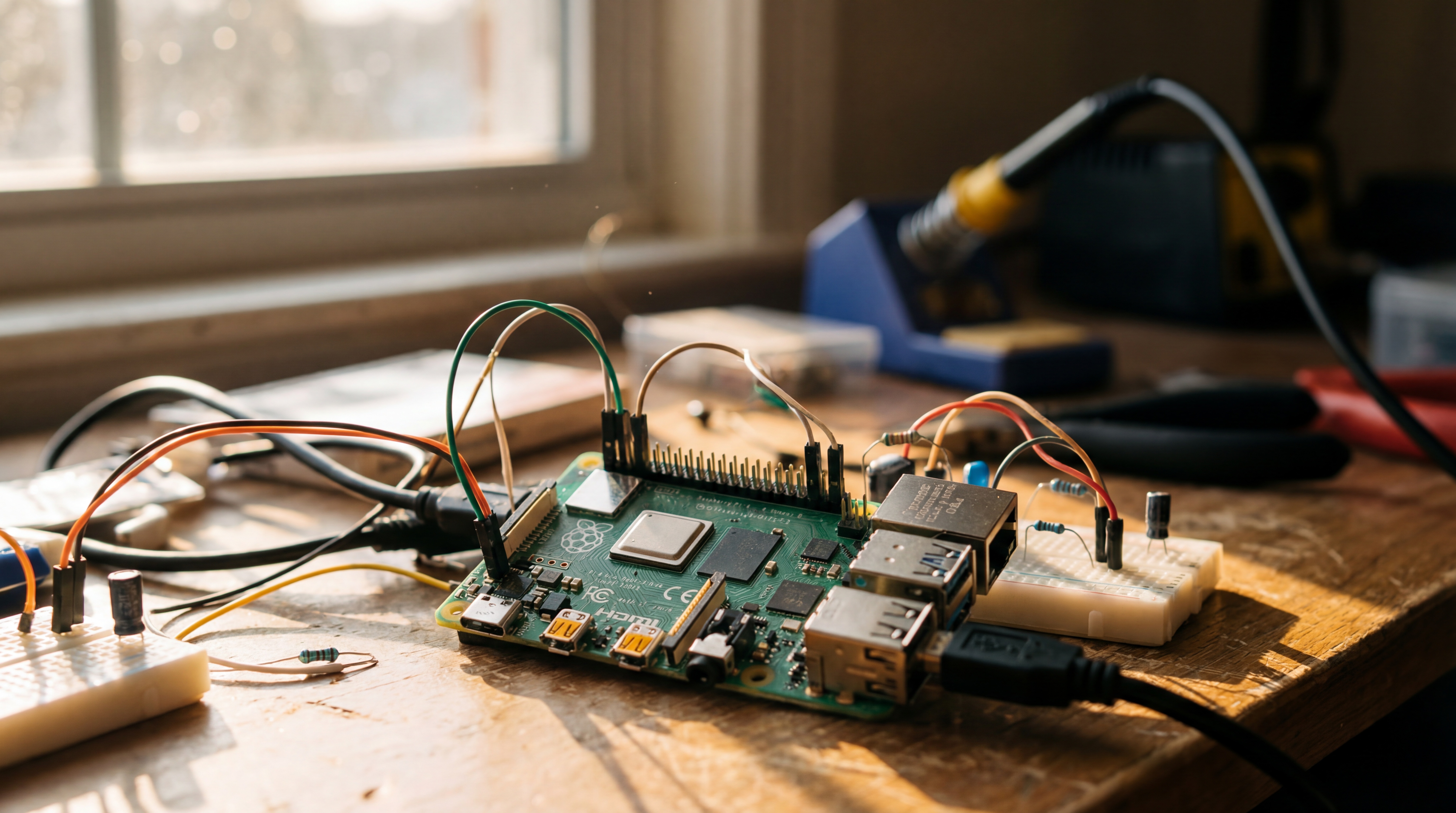

Raspberry Pi, the UK-based maker of affordable single-board computers, reported a dramatic profit surge fueled by the ongoing AI boom. Demand for low-cost, versatile hardware to run AI models and edge computing projects has propelled the company’s financials to new heights in 2023. This spike reflects a broader trend: AI practitioners are increasingly turning to accessible tools for experimentation and deployment.
This article was inspired by "Raspberry Pi profit surges as AI boom lifts demand" from Hacker News.
Read the original source.
Financial Growth by the Numbers
Raspberry Pi’s pre-tax profits jumped to $31.2 million in the first half of 2023, up from just $1.2 million in the same period last year—a staggering 2500% increase. Revenue also climbed to $144 million, a 41% rise year-over-year. The company attributes this growth to bulk orders from businesses integrating AI into IoT and edge devices.
Why AI Drives Demand
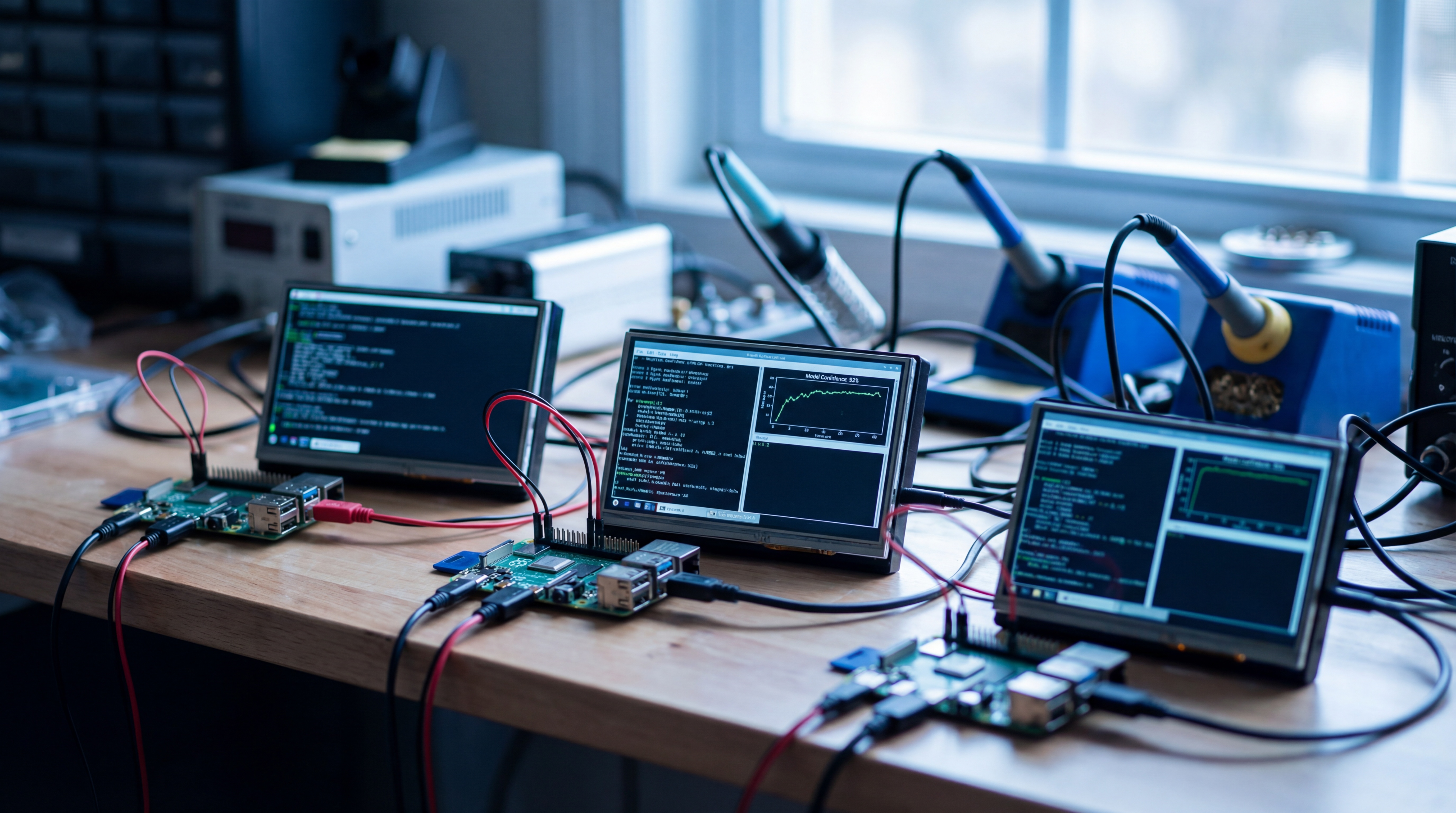
AI workloads, particularly lightweight models for inference, are a perfect match for Raspberry Pi’s low-power, low-cost hardware. The Raspberry Pi 4 and 5 models, with 2-8 GB RAM and quad-core processors, can handle tasks like image recognition and natural language processing at the edge. Developers and hobbyists use these boards to prototype AI solutions without cloud dependency, cutting costs and latency.
Bottom line: Raspberry Pi has become a go-to for affordable AI experimentation, bridging the gap between hobbyists and enterprise.
Hacker News Community Reactions
The Hacker News post garnered 22 points and 9 comments, reflecting niche but engaged interest. Key takeaways from the discussion include:
- Surprise at the scale of profit growth, with some users noting Raspberry Pi’s pivot to enterprise clients.
- Concerns about supply chain issues—stock shortages have frustrated individual buyers.
- Excitement for future AI-optimized boards, with speculation on built-in accelerators.
The Bigger Picture for AI Hardware
While high-end GPUs dominate AI training, edge devices like Raspberry Pi are carving out a critical role in deployment. Compared to alternatives like NVIDIA Jetson Nano ($99, 4 GB RAM), Raspberry Pi’s $35-80 price range offers unmatched accessibility. This democratization fuels grassroots AI innovation, especially in education and startups.
| Feature | Raspberry Pi 5 | NVIDIA Jetson Nano | BeagleBone AI |
|---|---|---|---|
| Price | $80 | $99 | $125 |
| RAM | 8 GB | 4 GB | 1 GB |
| AI Use Case | Edge Inference | Edge Inference | Prototyping |
| Power Draw | ~12W | ~10W | ~15W |
What’s Next for Raspberry Pi
As AI continues to permeate industries, Raspberry Pi’s trajectory suggests sustained growth if supply constraints ease. With competitors like BeagleBone and NVIDIA in the edge AI space, the company may need to innovate—perhaps with dedicated AI hardware modules—to maintain its lead. The intersection of affordability and capability positions it as a quiet but powerful player in AI’s hardware ecosystem.
"Technical Context for AI on Raspberry Pi"
Running AI models on Raspberry Pi often involves frameworks like TensorFlow Lite or ONNX Runtime for optimized inference. Common use cases include object detection with models like MobileNet (under 4 MB after quantization) and speech processing with compact LLMs. Overclocking and external cooling can push performance, though power limits remain a constraint.



Top comments (0)