
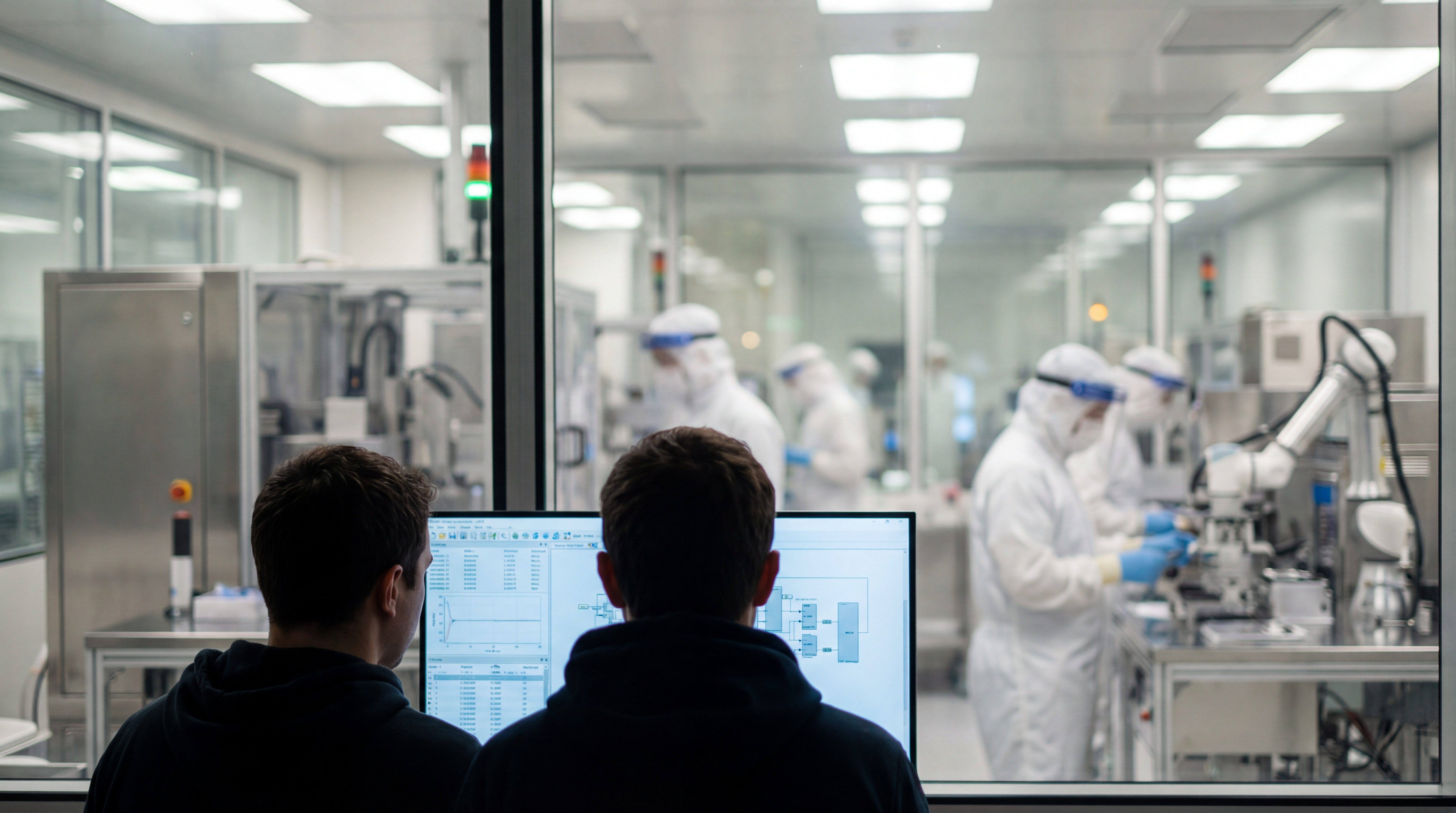

Switzerland has emerged as a powerhouse in semiconductor research, earning the nickname "CERN of semiconductor research" for its world-class facilities and collaborative innovation. Much like CERN revolutionized particle physics, Swiss institutions are driving breakthroughs in chip design and AI hardware, positioning the country as a critical node in global tech advancement.
This article was inspired by "Switzerland hosts 'CERN of semiconductor research'" from Hacker News.
Read the original source.
A Hub for Next-Gen Chip Technology
Switzerland hosts cutting-edge research centers that rival global leaders in semiconductor innovation. The country’s ecosystem includes partnerships between academia, industry, and government, fostering advancements in energy-efficient chips and AI-optimized hardware. According to the source, these efforts mirror CERN’s collaborative model, with shared resources accelerating progress.
Bottom line: Switzerland’s semiconductor research mirrors CERN’s impact, but for the future of computing and AI.

Why Switzerland Stands Out
Neutrality and a strong tradition of precision engineering give Switzerland a unique edge. The country invests heavily in R&D, with federal funding and private sector contributions driving projects at institutions like ETH Zurich and EPFL. These hubs are behind innovations in quantum computing components and low-power processors, critical for AI workloads.
Community feedback on Hacker News, with 27 points and 5 comments, highlights admiration for Switzerland’s ability to punch above its weight. Users noted the potential for Swiss chips to redefine edge AI devices, though some questioned scalability against giants like TSMC.
Global Implications for AI Hardware
Semiconductor advancements from Switzerland could lower the barrier for AI deployment in resource-constrained environments. Smaller, efficient chips mean edge devices—think IoT sensors or autonomous drones—can run complex models without cloud dependency. This aligns with the growing demand for privacy-focused, localized AI processing.
Bottom line: Swiss research could make powerful AI accessible on everyday hardware, reshaping deployment strategies.
"Key Research Areas"
Collaboration as a Competitive Edge
Much like CERN’s open-science ethos, Swiss semiconductor initiatives thrive on international collaboration. Researchers from over 30 countries contribute to projects, sharing data and prototypes under strict intellectual property frameworks. This model speeds up iteration cycles, with some HN commenters noting it as a blueprint for other tech domains.
Looking Ahead
Switzerland’s trajectory in semiconductor research signals a shift in global AI hardware dynamics. As the country continues to build on its reputation for precision and neutrality, it could become the go-to destination for next-gen chip innovation, influencing everything from consumer devices to industrial AI systems.



Top comments (0)