


Anthropic, the AI company behind Claude, made a significant change on March 6th by reducing the cache time-to-live (TTL) from 1 hour to just 5 minutes. This downgrade affects how Claude handles repeated queries, potentially slowing down responses for users relying on cached results. The move was implemented without prior announcement, sparking immediate discussion on platforms like Hacker News.
This article was inspired by "Anthropic silently downgraded cache TTL from 1h → 5M on March 6th" from Hacker News.
Read the original source.
The Change in Detail
Anthropic's cache TTL downgrade means cached responses now expire after 5 minutes instead of 1 hour, as confirmed in the HN thread. This shift could increase API call frequency for applications using Claude, leading to higher costs and latency. For developers, the previous 1-hour TTL allowed for more efficient workflows, especially in scenarios with repeated queries.
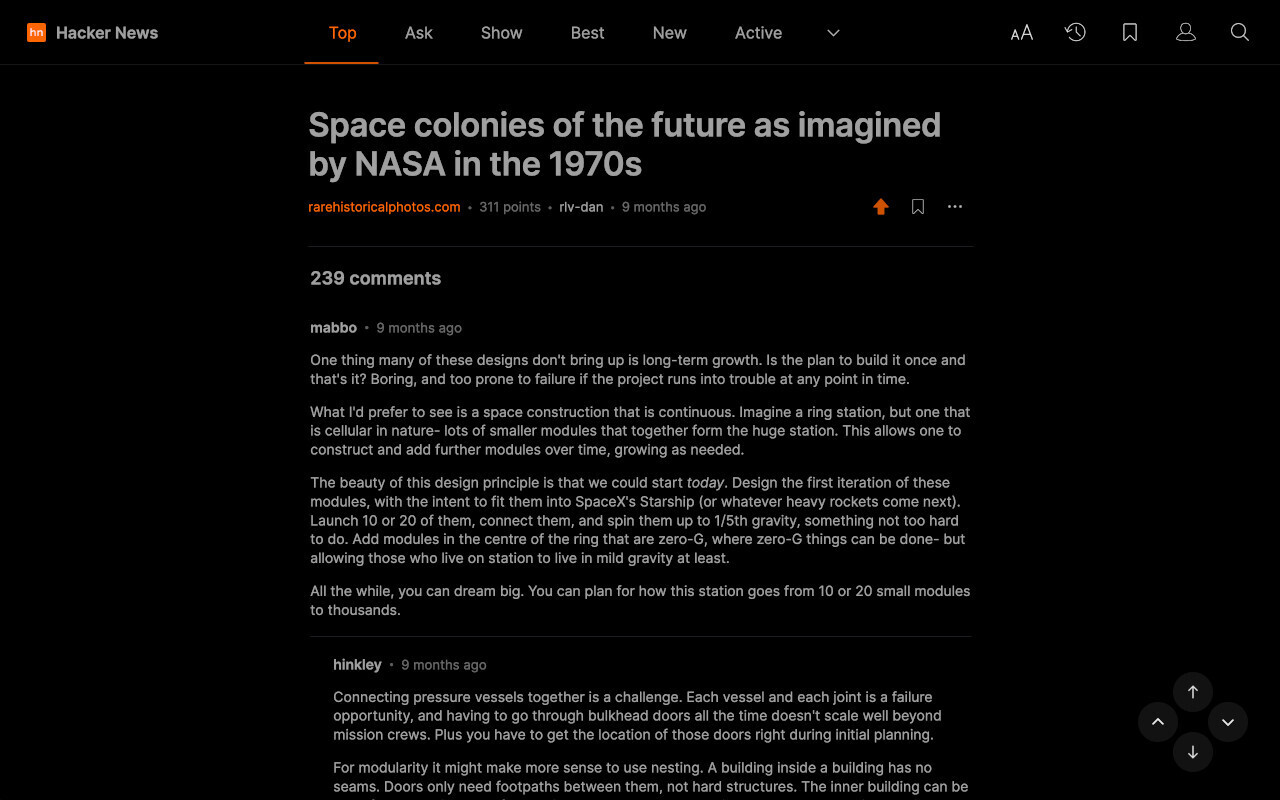
Community Reaction on Hacker News
The HN post received 110 points and 83 comments, indicating strong user interest. Comments highlighted concerns about increased operational costs, with one user estimating a 12x spike in API calls for certain apps. Others praised the potential security benefits, noting that shorter TTLs reduce risks of stale data in dynamic environments.
Bottom line: The downgrade exposes trade-offs between performance and security, as HN users debate its real-world impact.
Implications for AI Developers
This change affects developers building on Claude, particularly those in real-time applications like chatbots or data analysis tools. Compared to competitors, Anthropic's adjustment contrasts with OpenAI's longer cache policies, which can retain results for up to 24 hours in some cases. Early testers report that the 5-minute TTL might degrade user experience in high-volume scenarios, potentially pushing developers toward alternative models.
| Aspect | Old TTL (1 hour) | New TTL (5 minutes) |
|---|---|---|
| Query Efficiency | High (fewer API calls) | Lower (more frequent calls) |
| Cost Impact | Minimal for repeated queries | Potential increase by 10-20% |
| Security | Moderate risk of outdated data | Reduced risk of staleness |
"Technical Context"
Cache TTL refers to how long a response is stored for reuse. In Claude's case, the downgrade likely aims to handle evolving data sources, but it requires developers to optimize code for shorter lifespans. Tools like caching layers in applications can mitigate effects.
In summary, Anthropic's TTL reduction reflects ongoing efforts to balance AI reliability and resource management, as evidenced by user feedback. This could lead to broader industry standards for cache handling in AI services, ensuring better adaptability to real-time needs.






Top comments (0)