


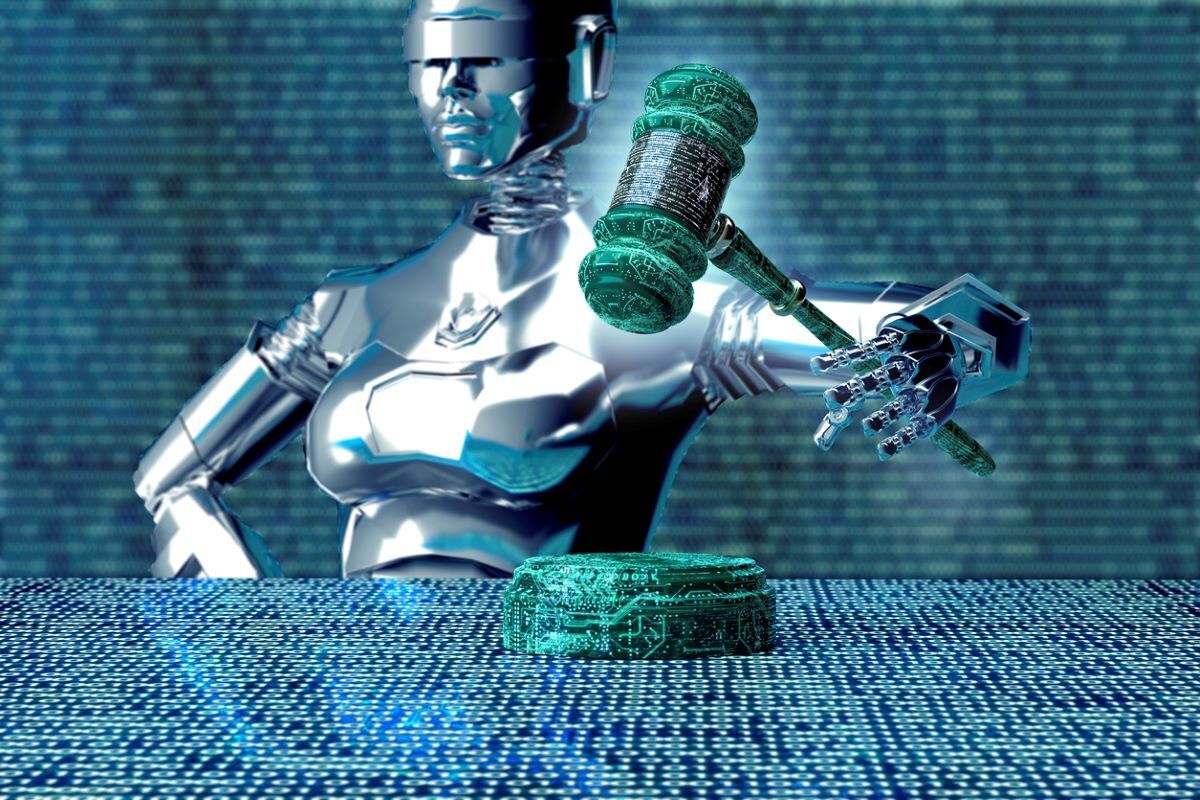
Peter Thiel, the billionaire investor known for backing tech ventures, is developing a parallel justice system that leverages AI to resolve disputes outside traditional courts. This system uses AI algorithms to evaluate evidence and deliver verdicts, aiming to make justice faster and more accessible. According to the Hacker News discussion, it could handle cases involving contracts or intellectual property with automated decision-making.
This article was inspired by "Peter Thiel Is Building a Parallel Justice System – Powered by AI" from Hacker News.
Read the original source.
How the System Works
The AI justice system employs machine learning models to analyze legal documents and evidence, generating binding decisions based on predefined rules. Thiel's project draws from existing AI tools like natural language processing for case review, potentially reducing human bias in rulings. The Hacker News thread notes that this setup could process simple disputes in minutes, compared to weeks in courts.
Bottom line: AI automates dispute resolution, promising efficiency with algorithms that mimic judicial logic.
What the HN Community Says
The post received 53 points and 15 comments, indicating moderate interest. Comments highlighted potential benefits, such as cutting legal costs by 50-70% for routine cases, but raised concerns about AI accuracy in complex scenarios. Users pointed to risks like algorithmic bias, with one commenter referencing studies showing AI error rates up to 20% in sentiment analysis for legal texts.
- Benefits: Faster resolutions and lower costs
- Criticisms: Reliability issues and ethical implications
- Interest: Applications in corporate disputes
Bottom line: Community feedback emphasizes AI's efficiency gains while questioning its trustworthiness in high-stakes decisions.
Why This Matters for AI Ethics
Traditional justice systems require human oversight, but Thiel's approach could shift power to AI, addressing backlogs in courts that handle millions of cases annually. This initiative builds on tools like predictive analytics in law, yet it exposes gaps in AI accountability, as no formal verification standards are mentioned in the discussion. For AI practitioners, it underscores the need for robust testing to ensure fairness.
"Technical context"
AI in this system likely uses large language models (LLMs) trained on legal datasets, similar to those in tools like eDiscovery software. These models output decisions based on pattern recognition, but without human intervention, verification remains a challenge—proofs aren't mathematically guaranteed as in formal systems.
This development could accelerate AI's integration into governance, potentially influencing policy if pilots succeed in reducing dispute resolution times by 30-50%. Grounded in the HN feedback, it highlights ongoing debates about AI's role in society, pushing for advancements in ethical frameworks.






Top comments (0)