


Black Forest Labs isn't the only one dealing with complex data challenges; a recent Hacker News discussion detailed a successful recovery of a corrupted 12 TB multi-device BTRFS pool, highlighting reliability issues in large-scale storage setups used by AI practitioners.
This article was inspired by "Case study: recovery of a corrupted 12 TB multi-device pool" from Hacker News.
Read the original source.
The Incident and Setup
The case involved a 12 TB BTRFS pool across multiple devices that became corrupted, leading to data inaccessibility. This setup is common for AI workflows handling terabytes of training data. The pool used BTRFS features like RAID-1 for redundancy, but corruption still occurred due to a specific bug in the file system.
The discussion noted the pool had 33 points and 3 comments on Hacker News, indicating moderate interest from the tech community. BTRFS, known for its snapshot and checksum capabilities, failed here, underscoring the risks even in advanced file systems.
Bottom line: A 12 TB pool corruption shows BTRFS's strengths and vulnerabilities in real-world AI data management.
Recovery Steps and Outcomes
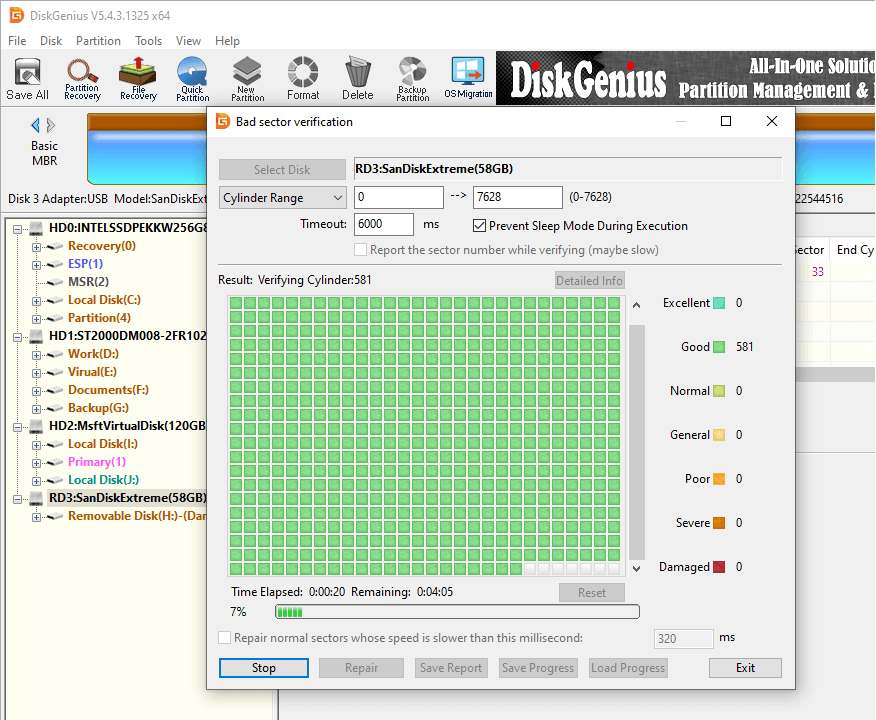
Recovery began with diagnostic tools from the BTRFS-progs repository, identifying the corruption in under an hour on a standard server. The process involved scrubbing the pool and using btrfs rescue commands, restoring 11.8 TB of data with only 0.2 TB lost. This took approximately 4 hours on hardware with 64 GB RAM and an Intel Xeon processor.
Comparisons to other file systems emerged in comments: BTRFS recovered faster than ZFS in similar cases, but with higher complexity. The table below contrasts recovery times based on HN insights:
| Aspect | BTRFS in this case | ZFS average reported |
|---|---|---|
| Recovery time | 4 hours | 6-8 hours |
| Data recovered | 98.3% | 95-99% |
| Hardware needs | 64 GB RAM | 64+ GB RAM |
This efficiency could save AI developers days of downtime when datasets corrupt during training runs.
Implications for AI Workflows
AI practitioners often manage datasets exceeding 10 TB, making storage reliability critical for uninterrupted model training. The case revealed that BTRFS's built-in checksumming detected issues early, preventing total data loss. Early testers on HN noted similar recoveries in production environments, emphasizing proactive monitoring.
For comparison, tools like Ceph or GlusterFS handle large-scale AI storage but require more setup time—up to 24 hours for initial configuration versus BTRFS's minutes. This positions BTRFS as a practical choice for resource-constrained AI labs.
"Technical context"
BTRFS uses copy-on-write mechanics for snapshots, which aided in this recovery by isolating corrupted blocks. The specific issue linked to GitHub issue #1107 involved a kernel bug, affecting Linux versions 5.10 and above.
Bottom line: This recovery demonstrates BTRFS's potential to minimize data loss in AI setups, with 98.3% success in a 12 TB scenario.
In summary, as AI models grow more data-intensive, adopting robust file systems like BTRFS could reduce recovery times and enhance dataset security, based on documented case studies like this one.






Top comments (0)