
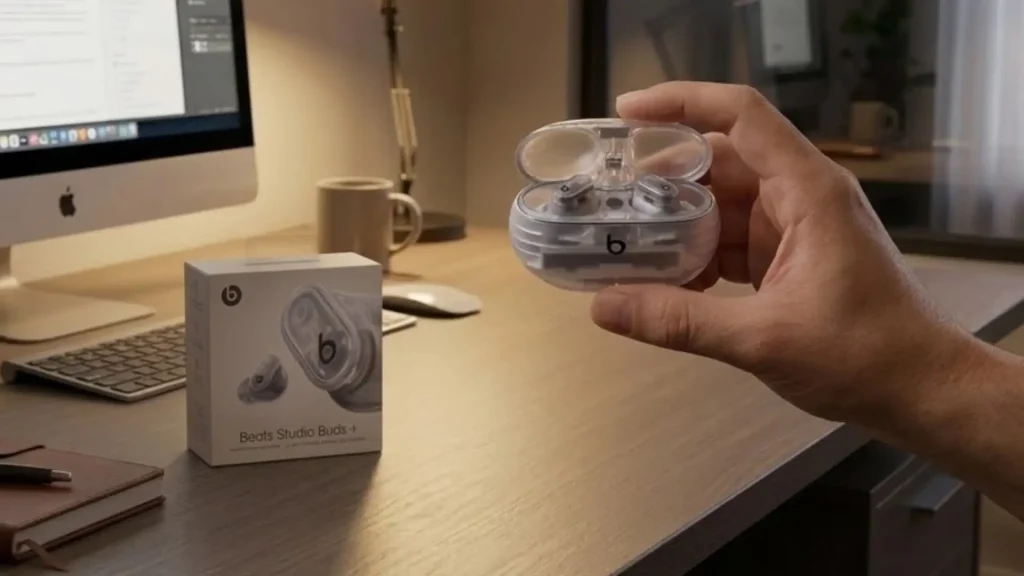

The AirPods Effect discussion surfaced on Hacker News with 53 points and 59 comments. It centers on how constant earbud use alters attention patterns and input preferences among knowledge workers.
What the AirPods Effect Describes
Users now treat wireless earbuds as default always-on audio hardware. This shifts interaction from screen-first to audio-first for notifications, calls, and short queries.
Early comments note that people keep one bud in during focused work, creating a persistent low-friction audio channel.

Numbers from the Thread
The post accumulated 53 points within the first day. Comment volume reached 59, with the top threads discussing usage frequency and device switching costs.
Participants reported keeping earbuds inserted 6–10 hours daily. Several mentioned reduced tolerance for typing long prompts when voice input is available.
Connection to Voice AI Tools
Developers building speech-to-text and agent interfaces see direct implications. Always-available audio hardware lowers the barrier for voice prompts compared to keyboard entry.
Current LLM voice features still require explicit wake words or app switches. The thread suggests users expect seamless, context-aware audio interaction instead.
Tradeoffs for AI Product Teams
- Constant audio access increases privacy surface area for always-listening models.
- Battery life on earbuds limits session length for complex agent tasks.
- Background noise handling remains inconsistent across consumer devices.
- Switching between music, calls, and AI audio creates context loss.
Comparison with Prior Input Shifts
| Shift | Hardware Trigger | Typical Session Length | AI Adoption Speed |
|---|---|---|---|
| Smartphone touch | Touchscreen | 2–5 minutes | Fast |
| Smart speakers | Far-field mics | 10–30 seconds | Medium |
| AirPods Effect | In-ear always-on | 30–90 seconds | Emerging |
Voice agents that assume short, one-shot commands underperform against this usage pattern.
Who Benefits Most
Teams shipping voice agents or audio copilots gain immediate testing environments. Researchers studying attention and multitasking can use the behavior as a baseline.
Teams focused solely on text-only interfaces can deprioritize this trend.
Bottom line: The AirPods Effect shows users already carry always-available audio hardware; AI systems that ignore this channel will face higher friction.
Developers should test voice prompt flows against real earbud hardware rather than phone microphones. The pattern is likely to accelerate as earbud battery life and noise cancellation improve.






Top comments (0)