
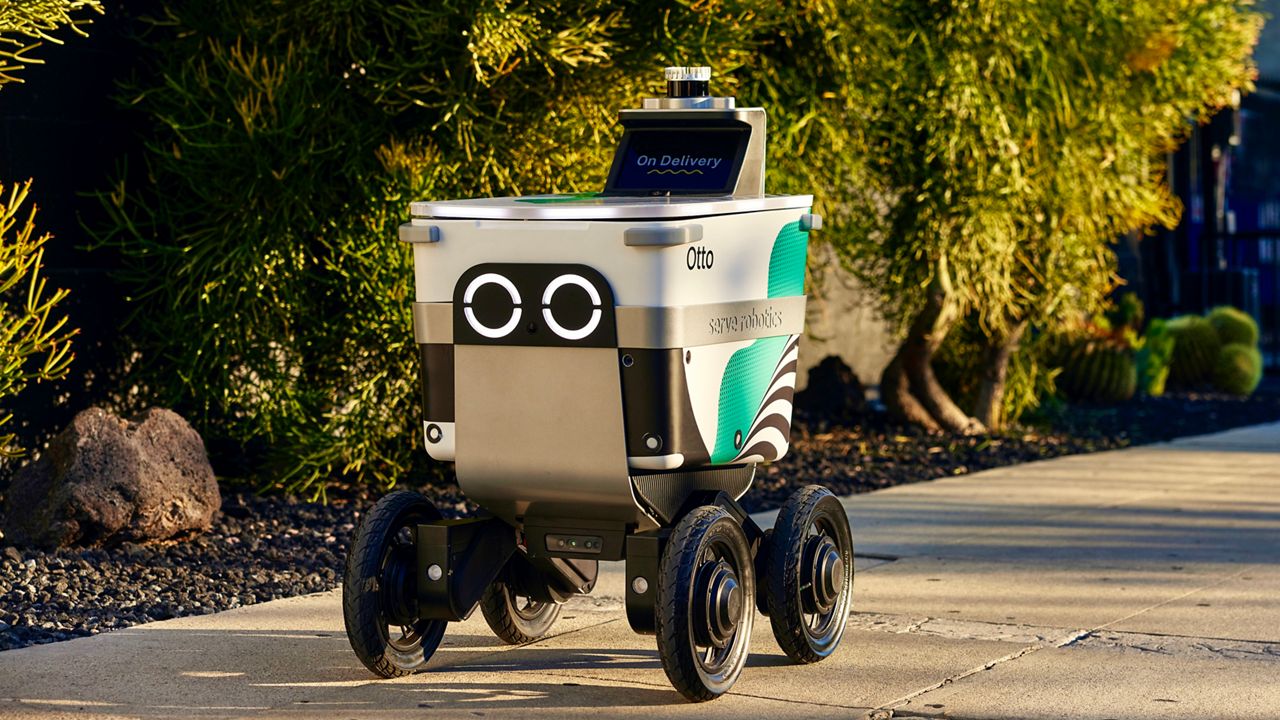

A BBC report on delivery robot backlash, discussed in a Hacker News thread with 65 points and 72 comments, shows pedestrians actively avoiding or confronting sidewalk robots in multiple cities.
Scale of Public Resistance
The thread documents repeated incidents where residents reported having to step aside for robots from companies like Starship and Kiwibot. Comments cite specific cases in San Francisco, Milton Keynes, and Tallinn where foot traffic conflicts led to complaints and temporary halts.
Early data from operators shows mixed adoption: Starship completed over 4 million deliveries by 2024, yet local pushback has triggered new regulations in at least three US cities.
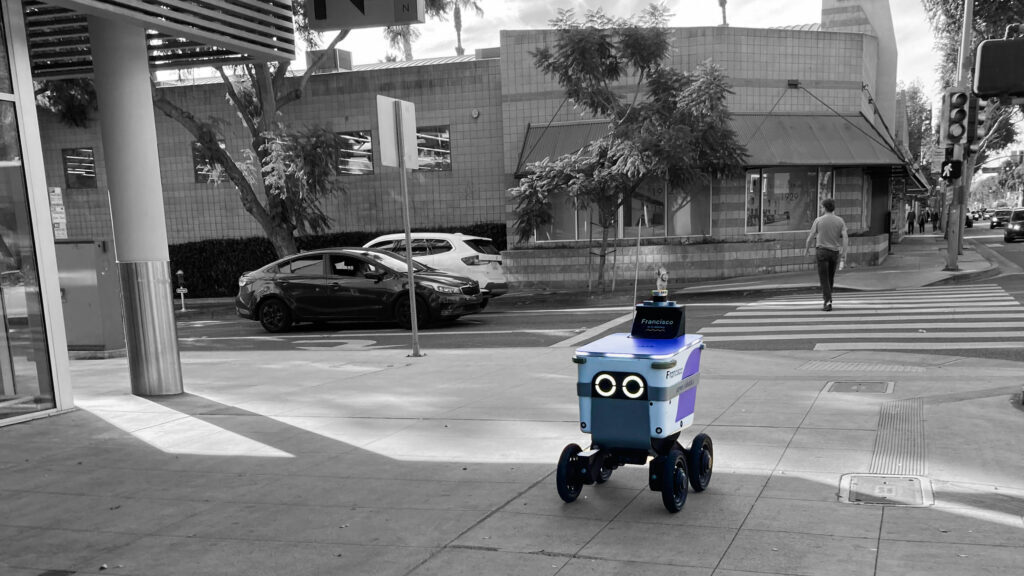
Technical and Operational Friction Points
Robots operate at 4-6 mph with obstacle avoidance sensors, but narrow sidewalks and high pedestrian density create bottlenecks. Operators rely on remote human supervisors for edge cases, adding latency of 10-30 seconds per intervention.
The HN comments note that audio cues and lights fail to prevent collisions during peak hours, forcing manual rerouting that reduces daily delivery capacity by 15-20%.
How Cities Have Responded
San Francisco banned new robot permits in 2022 after resident petitions. Milton Keynes requires operators to maintain 1.5-meter clearance zones. Tallinn adjusted operating hours to off-peak periods only.
These policy shifts emerged directly from documented complaints rather than abstract concerns.
Pros and Cons for Operators
- Pros: 24/7 availability, lower per-delivery cost than human couriers after 18 months, and reduced vehicle emissions in dense areas.
- Cons: Frequent vandalism repairs averaging $800 per unit, regulatory compliance overhead, and public relations costs from negative coverage.
Alternatives and Comparisons
| Approach | Delivery Speed | Public Friction | Regulatory Status |
|---|---|---|---|
| Sidewalk robots | 15-25 min | High | Restricted in 3+ cities |
| Drone delivery | 10-15 min | Medium | Limited by FAA rules |
| Human e-bike couriers | 20-30 min | Low | Widely permitted |
Sidewalk robots trail drones on speed but lead on payload size. Human couriers remain the baseline for low-conflict deployment.
Who Should Deploy Delivery Robots
Companies with low-density suburban routes and strong local government partnerships can proceed. Operators in dense historic districts or cities with active pedestrian advocacy groups should delay or redesign units for narrower profiles.
Practical Next Steps for Teams
Test units on private campuses first. Collect sidewalk width and foot-traffic data before public rollout. Publish incident logs to preempt regulatory complaints.
Bottom line: Public resistance data from the HN thread shows that technical performance alone does not determine deployment success—sidewalk access rules now act as the binding constraint.
The pattern suggests future autonomous systems will require explicit pedestrian priority protocols rather than shared-space assumptions.






Top comments (0)