

ThinkPad moved from IBM's 1992 launch to Lenovo's current AI-focused workstations, a shift first detailed in a recent Hacker News thread that drew 36 points and 10 comments.
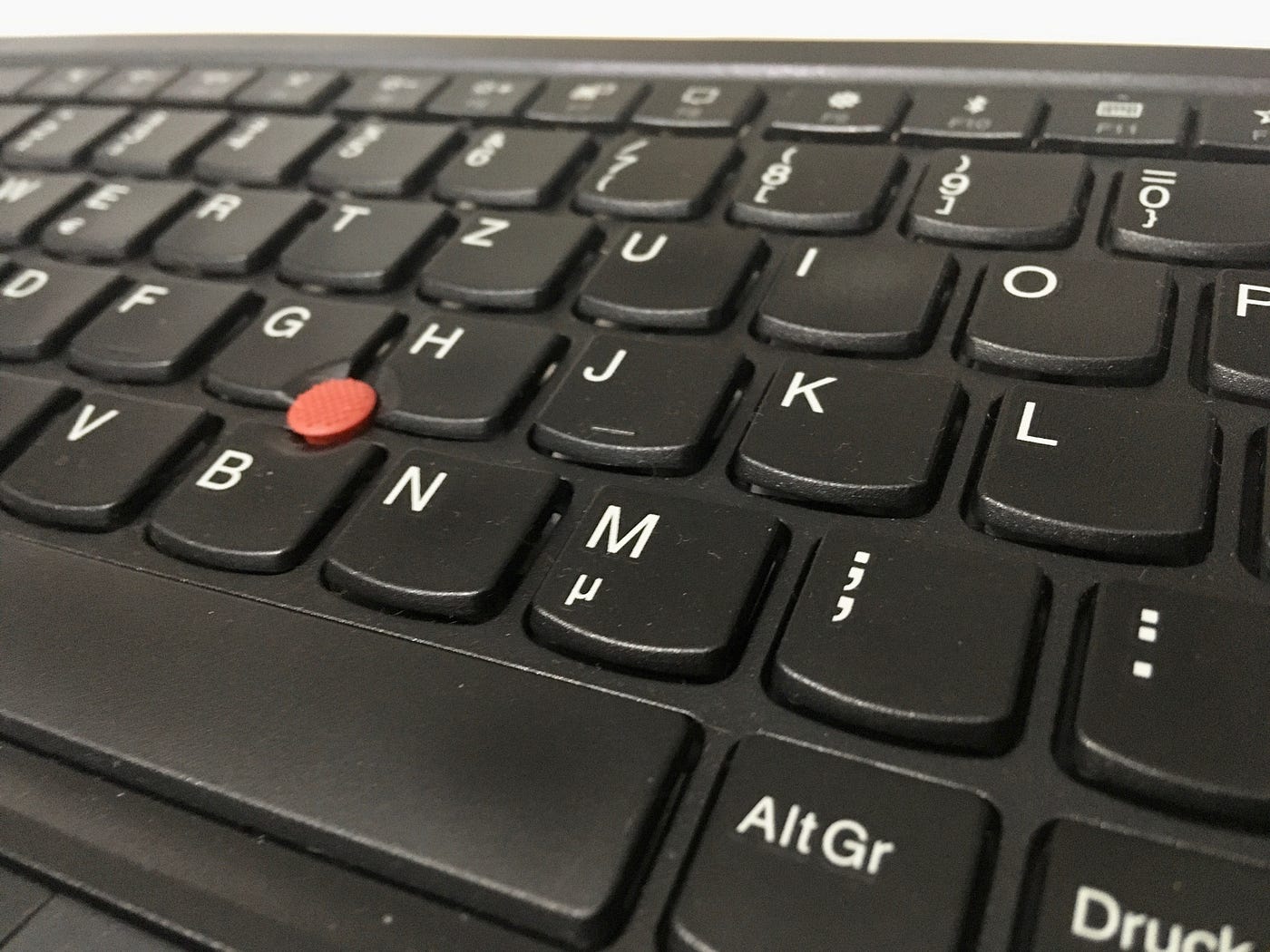
The original IBM ThinkPad used a black magnesium case and TrackPoint, choices that prioritized durability and portability for mobile professionals. Lenovo acquired the brand in 2005 and kept the same industrial design language while adding modern components.
Core Design Elements That Persist
The magnesium roll cage and spill-resistant keyboard remain unchanged in current models. These features still deliver the same drop protection and daily reliability that made early ThinkPads standard issue at many engineering firms.
Lenovo now integrates NPUs from Intel and AMD directly into the chassis. The hardware supports on-device inference without external GPUs in several configurations.
Current AI Workstation Specs
Recent Lenovo ThinkPad P and X1 Extreme lines ship with up to 64 GB RAM and discrete RTX 4070 options. Base models include Intel Core Ultra processors with 16 TOPS NPU performance for lighter workloads.
| Model Line | Max RAM | Discrete GPU Option | NPU TOPS | Weight |
|---|---|---|---|---|
| ThinkPad P16 | 128 GB | RTX 5000 Ada | 16 | 2.8 kg |
| ThinkPad X1 Extreme | 64 GB | RTX 4070 | 16 | 2.1 kg |
| ThinkPad T14s | 32 GB | None | 16 | 1.3 kg |
Early HN commenters noted the consistent keyboard quality across decades as the main reason many still choose the line for long coding sessions.
How to Configure One for Local AI
Select a P-series model with at least 32 GB RAM and an RTX 4060 or better. Install Ollama or LM Studio, then run quantized models such as Llama 3 8B or Mistral 7B directly on the discrete GPU.
For lighter NPU-only workloads, use Intel's OpenVINO toolkit or AMD's Ryzen AI software stack. Both packages detect the built-in accelerator automatically after a single driver install.
Tradeoffs Compared With Other Laptops
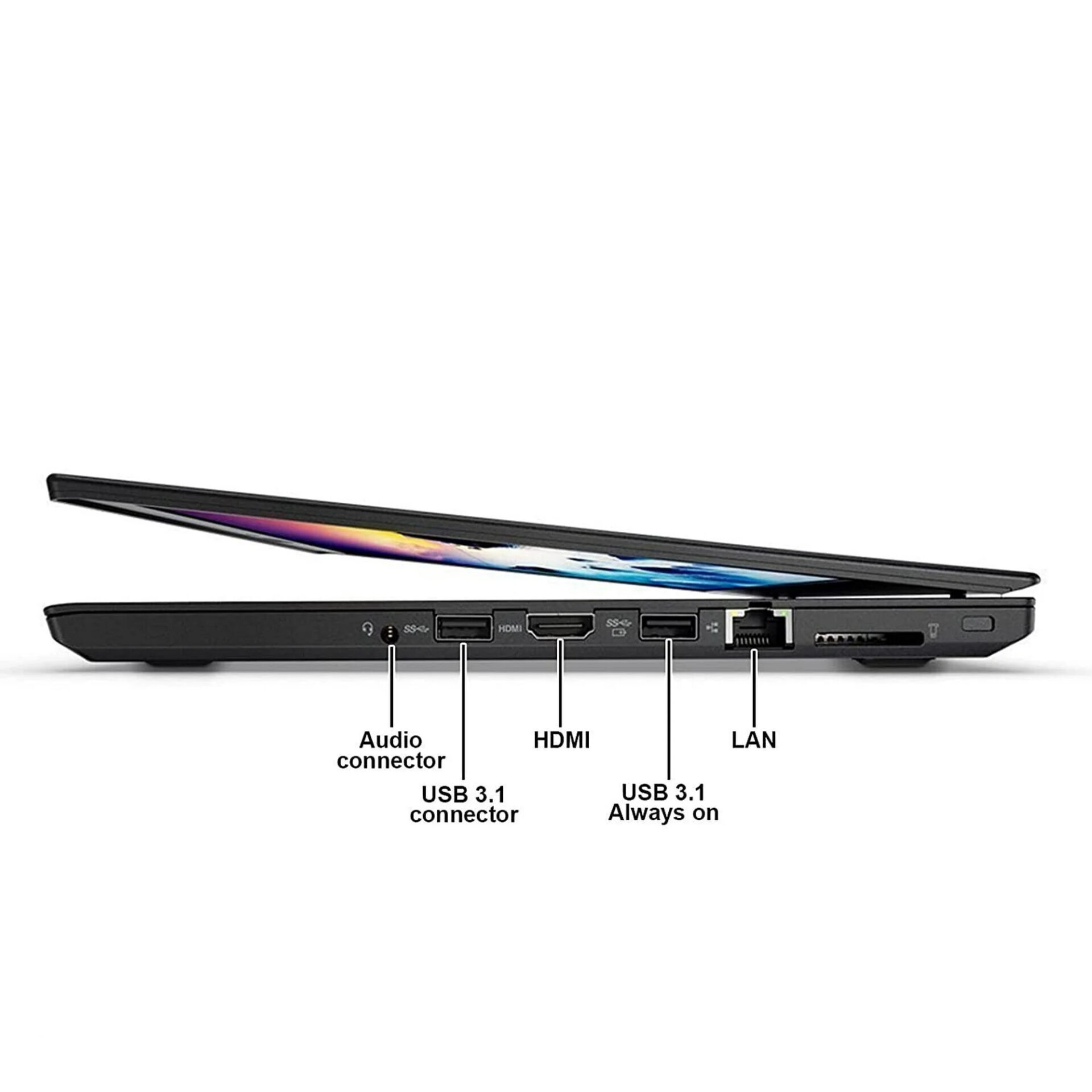
ThinkPads excel in keyboard feel and port selection but lag behind some Dell XPS or Framework models in display brightness and thinness. Battery life on GPU-equipped units averages 4-6 hours under sustained inference loads.
MacBook Pro alternatives offer better power efficiency for Apple Silicon optimized models yet lack the same range of upgradeable storage and RAM options found in most ThinkPad P-series machines.
Who Benefits Most From Current Models
Developers running local LLMs or fine-tuning smaller models on the go gain the most. The durable build and full-size ports reduce the need for external docks during travel.
Teams that prioritize silent fan profiles or the lightest possible chassis should evaluate Dell or ASUS alternatives instead. Users needing maximum GPU VRAM above 12 GB will still require desktop workstations.
Bottom line: ThinkPad remains the practical choice for developers who value keyboard quality and port flexibility while adding modest local AI acceleration.
Lenovo continues to refresh the line annually with newer NPUs and GPU options. The same core engineering priorities that defined the IBM era now support on-device model execution for a growing segment of AI practitioners.





Top comments (0)