

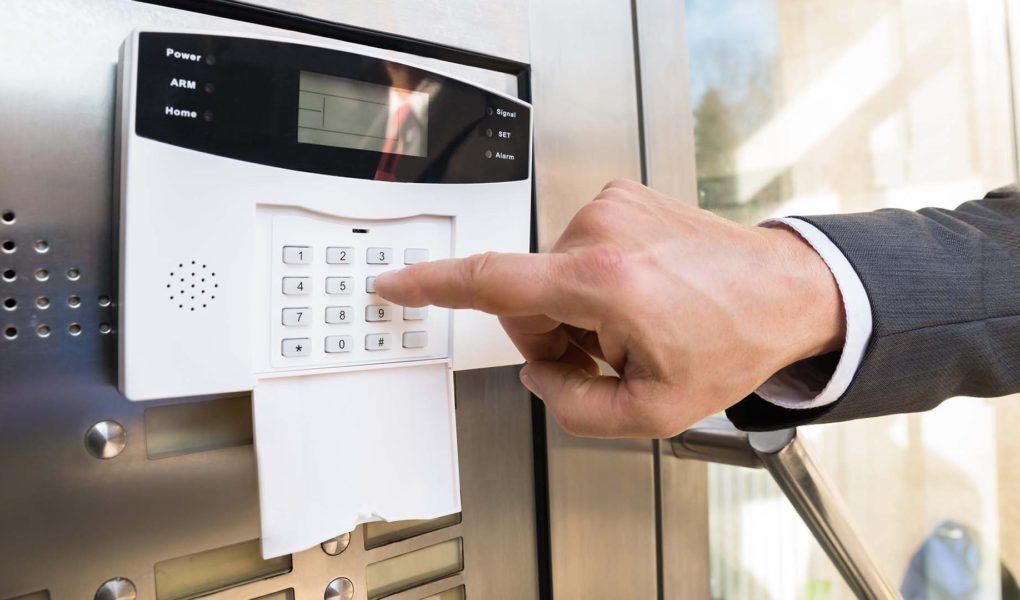
Large industrial units and factories face unique security challenges compared to residential or small commercial properties. With vast floor spaces, high-value machinery, raw materials, and complex access points, the risk of theft, vandalism, and unauthorised entry is significantly higher. A professionally planned intruder alarm installation plays a critical role in protecting assets, ensuring staff safety, and maintaining operational continuity.
Unlike basic alarm systems used in small premises, industrial-grade security solutions must cover multiple entry points, loading bays, warehouses, production floors, and restricted areas. They must also integrate with CCTV systems, access control, and remote monitoring for complete protection.
Why Industrial Units Require Advanced Alarm Systems
Factories and industrial facilities often operate across extended hours, including night shifts and weekends. During non-operational periods, they become vulnerable targets. Criminals may attempt to steal valuable stock, copper wiring, tools, or specialised equipment.
Key risk factors include:
- Large perimeter boundaries that are difficult to monitor manually
- Multiple entry and exit points
- High-value inventory stored in bulk
- Limited on-site security staff outside business hours
- Remote industrial estate locations An advanced intruder alarm system helps detect threats instantly and triggers immediate response procedures, reducing financial loss and downtime.
Core Components of Industrial Intruder Alarm Installation
A successful security solution for factories involves more than just door sensors and a control panel. Industrial environments demand layered protection using multiple detection technologies.
*Perimeter Protection Systems
*
The first line of defence begins at the perimeter. Protecting the outer boundary prevents intruders from reaching the main building unnoticed.
Common perimeter security features include:
- Beam detectors across fencing lines
- Vibration sensors on perimeter walls
- Magnetic door contacts on gates
- Motion detectors covering loading areas These systems alert security teams before a break-in occurs, allowing early intervention.
*Internal Motion and Zone Detection
*
Inside large industrial units, alarm systems are divided into multiple zones. This zoning ensures that specific sections—such as storage rooms, server rooms, or high-value machinery areas—can be individually monitored.
Modern motion detectors use dual-technology sensors that reduce false alarms while maintaining high detection accuracy. Glass break detectors and shock sensors add another layer of internal protection.
*Alarm Control Panels and Monitoring
*
Industrial alarm panels are more robust and scalable than residential systems. They support multiple zones, remote access, and integration with other security technologies.
When connected to a monitoring centre, the system provides:
- 24/7 professional surveillance
- Immediate response to triggered alarms
- Police or security dispatch coordination
- Real-time notifications to facility managers This continuous oversight significantly strengthens factory security.
Integration with CCTV and Access Control
For maximum protection, intruder alarm installation should not operate in isolation. Integrating alarms with CCTV cameras and access control systems creates a comprehensive security network.
When an alarm is triggered, surveillance cameras can automatically record and focus on the affected area. Access control logs can also help identify authorised personnel movements during incidents.
This combined approach enhances:
- Evidence collection
- Incident verification
- Reduced false alarm responses
- Faster decision-making Factories benefit from having a unified security platform rather than disconnected systems.
Reducing Downtime and Financial Loss
Security breaches in industrial facilities often result in more than just stolen goods. Production delays, equipment damage, and safety risks can cause serious operational setbacks.
A professionally installed intruder alarm system reduces these risks by ensuring early detection and rapid intervention. Preventing even one major theft incident can offset the cost of installation.
Industrial insurance providers also favour facilities with certified alarm systems, which may support improved compliance and risk management standards.
Customised Security Planning for Large Facilities
Every factory has a unique layout, workflow, and risk profile. A one-size-fits-all solution is rarely effective. Professional installers conduct detailed site surveys before recommending a system design.
The planning process typically includes:
- Assessment of vulnerable access points
- Evaluation of lighting conditions
- Identification of high-value asset areas
- Review of existing security measures
- Network infrastructure analysis By understanding the operational structure, installers can design a tailored alarm system that aligns with daily business activities without causing disruption.
Addressing False Alarms in Industrial Settings
False alarms can disrupt operations and reduce trust in security systems. In industrial environments, machinery vibrations, environmental factors, or wildlife near perimeter fencing may trigger incorrect alerts.
Modern alarm systems use advanced detection technology to minimise these risks. Dual-sensor motion detectors, adjustable sensitivity settings, and environmental calibration help ensure accurate threat detection.
Regular maintenance and system testing further reduce false activations, ensuring the alarm performs reliably when genuinely needed.
Compliance and Safety Considerations
Factories must adhere to health and safety regulations, especially when operating heavy machinery and hazardous materials. Intruder alarm installation contributes to overall safety compliance by protecting restricted zones and critical infrastructure.
Security systems can restrict unauthorised access to:
- Chemical storage areas
- Electrical control rooms
- Data servers
- Machinery control panels By limiting access, businesses reduce the risk of accidents, sabotage, and liability issues.
Scalability for Expanding Industrial Operations
Industrial facilities often expand over time, adding new production lines, storage units, or administrative offices. Alarm systems must be scalable to accommodate growth.
Modern intruder alarm solutions allow additional sensors, zones, and devices to be added without replacing the entire system. This flexibility ensures long-term value and cost efficiency.
Cloud connectivity and remote management features also enable facility managers to oversee multiple sites from a central location.
The Role of Professional Installation
DIY alarm kits are not suitable for complex industrial units. Large-scale facilities require precise sensor placement, secure cabling, structured zoning, and compliance certification.
Professional installation ensures:
- Accurate coverage without blind spots
- Secure wiring and tamper protection
- Proper integration with existing systems
- Comprehensive testing and commissioning
- Ongoing maintenance support Working with experienced providers such as sahisecure volt ensures that security planning is aligned with industrial standards and operational needs.
Long-Term Security Strategy for Factories
Intruder alarm installation should be viewed as part of a long-term security strategy rather than a short-term solution. As security threats evolve, businesses must adapt their protective measures.
Regular system audits, software updates, and technology upgrades help maintain optimal performance. Combining alarm systems with surveillance cameras, access management, and security lighting creates a multi-layered defence model.
For large industrial units and factories, effective alarm installation is not merely about responding to break-ins. It is about safeguarding productivity, protecting employees, preserving valuable equipment, and maintaining uninterrupted operations.
A carefully designed and professionally installed system delivers reliability, accountability, and peace of mind—allowing industrial businesses to focus on growth without compromising security.



Top comments (0)