

For most of e-commerce history, professional product photography has come with a hefty price tag: hiring a photographer, renting a studio, booking models, and paying for retouching — every step costs serious money and time. While big brands with deep pockets could afford it, most small sellers couldn't, so they shot their own product photos and listed products that way. And that's exactly where the gap opened up: shoppers largely decide whether to buy based on how good the product images look, and image quality has a huge impact on both sales and return rates. In recent years, though, AI image generation has started to close that gap. Used correctly, AI not only helps big brands cut steep production costs — it also gives small sellers access to far better images. Let's take a look at what AI can actually do today, and what "using it correctly" really means.
Why product images matter so much
When shopping online, customers can't pick up a product and inspect it — images are all they have to decide whether it's what they want. A product photo needs to accurately communicate quality, fit, and size. Bad or misleading images create doubt, drive returns, and damage your store's reputation.
For sellers on a tight budget, this has always been a frustrating bottleneck. You can have a great product at a fair price, but if the photos look like casual snapshots, the listing underperforms. The old fixes were all expensive: hire a photographer, buy or rent equipment, build sets, and spend hours learning to edit. Now, AI like Snappyit[https://snappyit.ai/] is starting to take over those jobs one by one.
What AI can actually do for product images today
"AI photography" gets thrown around loosely, so it's worth being specific about which capabilities are genuinely useful right now.
1. Clean background removal and replacement
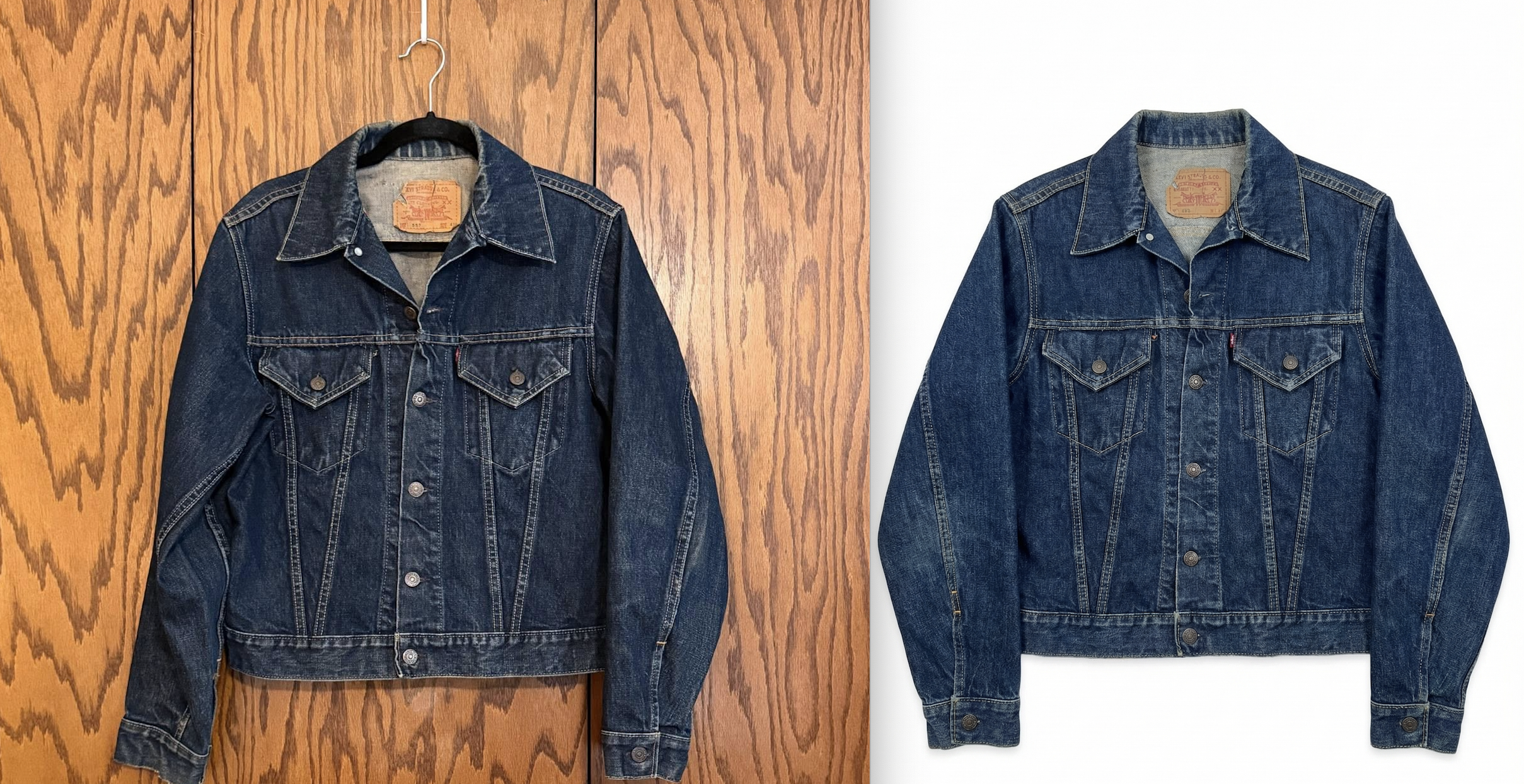
This is the most mature and widely used application. AI pulls the product out of a cluttered background and places it on pure white — the standard most marketplaces require — or into a styled scene. What used to take careful manual masking now happens in seconds, with clean edges even on tricky subjects like hair, fur, or transparent materials.
2. On-model photos and virtual models
For apparel, AI can now put clothing on an AI-generated model — no real model, no photo shoot, no usage rights involved. That's a big deal for clothing sellers, because on-model photos consistently convert better than flat lays, yet they've always been the most expensive type of image to produce. A related technique, the ghost mannequin (invisible mannequin) effect, also gives garments a natural, three-dimensional shape.
3. Scene generation
Beyond white-background shots, AI can place a product into a believable real-life setting — a mug on a table, a candle in a living room. These images help shoppers picture actually owning the product, and generating them digitally eliminates the cost of building physical sets.
4. Batch processing and consistency
Many sellers list large numbers of products every day, and shooting and editing them one by one eats up enormous time and energy. AI batch processing dramatically shortens the time from raw photo to finished image, helping sellers list and update products faster. On top of that, AI keeps everything consistent — your whole store stays in one visual style and looks cohesive, polished, and professional.
5. Image-to-video
Some AI tools can now turn product photos into short video clips for social feeds and product pages. Video gets more exposure on platforms like TikTok and Instagram, which makes it a useful boost for promotion.
What this means for the e-commerce workflow
The practical shift is that the product image production line is collapsing. The old process looked like: book a model and photographer → shoot → import → edit → list, often juggling both a photographer and a retoucher. With AI, it increasingly looks like: take a decent source photo → generate with AI → list.
For sellers, the first big change is speed. Launching a new product no longer means scheduling a shoot. You can photograph, process, and publish in the same afternoon — which matters a lot when you're testing products or restocking fast. The second is cost. Many AI tools run on a credit or subscription model that costs a fraction of a single professional shot, usually with free credits to test before you pay. For a seller, that turns "professional-grade images" from a capital expense into a small recurring one.
Where AI still falls short
Of course, AI has its limits — it isn't magic. Keeping the following points in mind will help you get much better results from AI tools.
- Don't use AI to generate product images from scratch without a source photo. Images generated out of thin air come out blurry, loose detail, and lead to returns. Likewise, a poorly lit, wrinkled source photo won't produce good results no matter which tool you use. Basic shooting fundamentals — even lighting, a steady camera, a clean and pressed product — still matter.
- Know which products AI doesn't suit. For products where texture, color, or material is the whole selling point — jewelry, luxury goods, collectibles — AI generation can alter exactly the details buyers need to see. Here, real photography is still the way to go.
- Authenticity and trust. Over-edited images hurt buyers' confidence, and products that don't match their photos lead straight to returns and complaints. The goal is a clean, accurate image — not a fantasy version of your product.
- Platform rules. Some marketplaces have policies on AI-processed imagery. Before publishing generated lifestyle scenes or virtual model shots, check that they comply with the platforms you sell on. ##How to get started If you're a seller hoping to cut costs with AI, here's a practical way to begin:
- Get your source photos right first. Shoot clear photos in soft natural light, on a clean background, with the product steamed and centered. Better inputs make every tool downstream work better. Pick one feature you actually need. Maybe it's background removal, maybe it's on-model shots. For everything else, stick with real product photos — the combination is what gives buyers a true picture of what you're selling.
- Test with free credits. Most tools let you try before you pay. Run your actual inventory through them, judge the output honestly against your own standards, and learn which of your products work well with AI and which don't.
- Keep a human in the loop. Review every generated image before it goes live. AI makes mistakes — compare against the real product and only keep images that get the details and fit right.
Where this is heading
The trajectory is clear: the technical and financial barriers that kept sellers from polished imagery are eroding fast. Within a few years, producing consistent, accurate product images with AI will likely shift from a competitive edge to a baseline expectation. That's good news for small brands — it levels a playing field that used to tilt toward whoever had the bigger budget.
But it also raises the bar. When everyone can produce clean images cheaply, the differentiators move back to the fundamentals: presenting a genuinely good product accurately, credibly, and consistently. AI is a powerful lever for small e-commerce brands — and the ones who benefit most will be those who treat it as a tool to represent good products honestly, not as a shortcut around doing the basics well.





Top comments (0)