
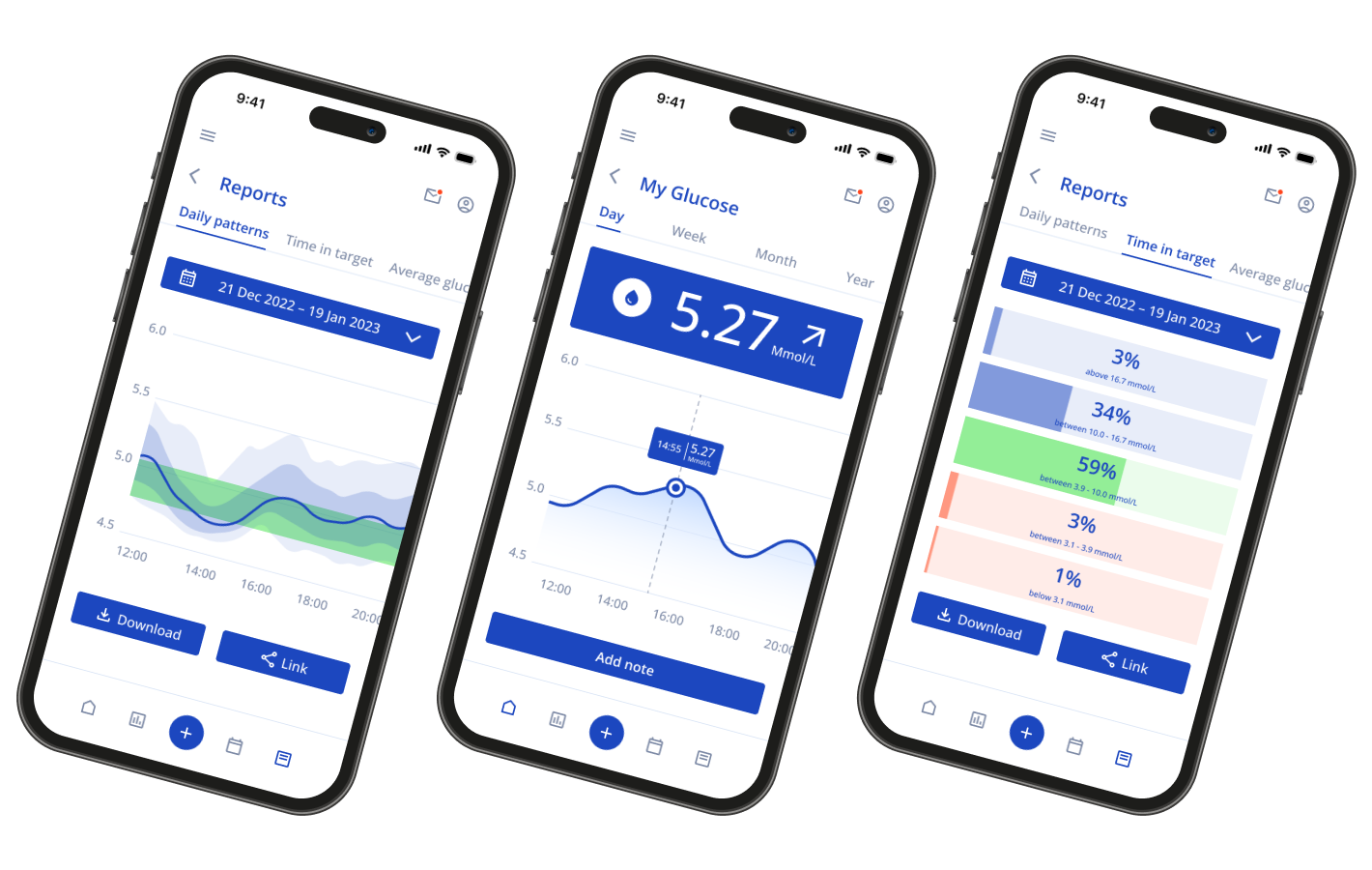

GlycemicGPT launched on Hacker News as an open-source repository aimed at AI-powered diabetes management. The project drew 63 points and 58 comments within days of posting.
Project: GlycemicGPT | Type: Open-source LLM tool | Discussion: 63 points, 58 comments on Hacker News | License: Open-source | Repo: github.com/GlycemicGPT/GlycemicGPT
What It Is and How It Works
GlycemicGPT uses large language models to analyze glucose readings, food logs, and activity data. Users input daily metrics through a simple interface, and the model returns personalized suggestions for insulin timing, meal adjustments, and trend explanations.
The system runs locally or on modest cloud instances. It processes structured CSV exports from common CGM devices without requiring constant internet access after initial setup.
Community Reception on Hacker News
Early commenters focused on data privacy and model accuracy. Several users noted the value of keeping health data on-device rather than sending it to commercial cloud services. Others asked about integration with existing open datasets such as the OhioT1DM collection.
The thread also surfaced questions around regulatory pathways, with developers clarifying that the current release is intended for research and personal experimentation only.
How to Try It
Clone the repository and install dependencies with a single pip command listed in the README. Load a sample glucose CSV, then run the provided inference script to generate the first set of recommendations.
The repo includes a basic Streamlit dashboard for quick visual checks. No API keys are required for the core local model path.
Pros and Cons
- Fully open weights and code allow inspection and modification
- Runs on consumer laptops with 8 GB RAM after quantization
- Supports offline use after download
- Limited to English-language prompts in the initial release
- No built-in FDA-style validation or clinical trial data
- Accuracy depends heavily on quality of user-provided logs
Alternatives and Comparisons
Commercial platforms such as Livongo and OneDrop offer similar coaching but keep models closed and charge monthly fees. Open alternatives like Tidepool focus on data visualization without predictive language-model output.
| Feature | GlycemicGPT | Livongo | Tidepool |
|---|---|---|---|
| Open source | Yes | No | Partial |
| Local inference | Yes | No | No |
| Cost | Free | Subscription | Free tier |
| CGM import | CSV | Direct | Direct |
| Regulatory clearance | None | FDA-cleared | None |
Who Should Use This
Researchers and developers building personal health tools will find the codebase immediately useful. Patients already comfortable exporting CGM data can test it for trend explanations, but anyone seeking medical advice should continue working with licensed clinicians.
Teams needing production-grade compliance or multi-language support should evaluate commercial options first.
Bottom Line / Verdict
GlycemicGPT fills a gap between closed commercial diabetes apps and raw data repositories by delivering an inspectable LLM pipeline that runs locally.
The project demonstrates how open-source methods can address sensitive health domains while keeping control with the user. Further community contributions on model fine-tuning and validation datasets will determine its longer-term impact.




Top comments (0)