
Workplace safety is a priority for organizations across all industries. As workplaces become more complex and regulatory requirements continue to evolve, businesses must adopt structured systems that help manage risks effectively. Implementing incident management software as part of a comprehensive safety management system allows organizations to respond quickly to incidents, prevent recurring hazards, and maintain compliance with safety regulations.
Understanding Incident Management in the Workplace
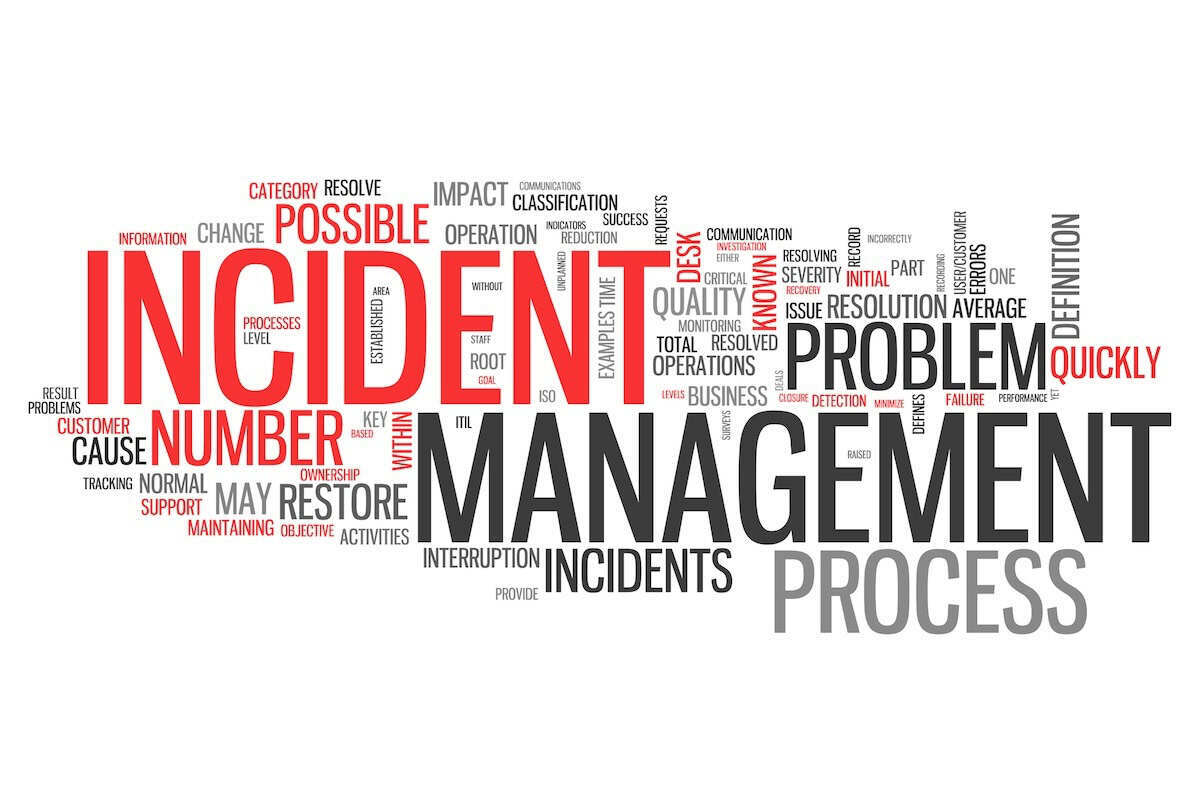
Incident management refers to the process of reporting, documenting, investigating, and resolving workplace incidents such as injuries, near misses, equipment failures, or hazardous situations. Without a structured system in place, organizations may struggle to track incidents accurately and identify underlying causes.
Incident management software simplifies this process by digitizing incident reporting and centralizing all related data. Employees can quickly report issues, while managers gain immediate visibility into potential risks that require attention.
The Role of Incident Management Software
Modern incident management software helps organizations streamline the entire incident response process. Instead of relying on manual forms or scattered records, companies can manage incidents through a centralized digital platform.
Key capabilities typically include:
Real-Time Incident Reporting
Employees can report incidents instantly using digital forms or mobile devices, ensuring that safety teams are informed without delay.
Investigation and Root Cause Analysis
The software allows safety teams to conduct detailed investigations and identify the root causes of incidents to prevent similar events in the future.
Corrective Action Tracking
Incident management software tracks corrective and preventive actions, ensuring that safety improvements are implemented and verified.
Data Analysis and Reporting
Advanced reporting tools help organizations analyze incident trends and identify recurring risks across departments or locations.
Strengthening the Safety Management System
A safety management system provides the framework organizations use to manage workplace hazards, establish safety policies, and maintain regulatory compliance. Incident management software plays a crucial role within this framework by ensuring that incidents are recorded, analyzed, and addressed systematically.
When integrated into a safety management system, incident management software helps organizations:
- Improve hazard identification and risk assessment
- Enhance transparency and accountability
- Support regulatory compliance and audit readiness
- Promote continuous safety improvement
Encouraging a Proactive Safety Culture
Effective safety programs focus not only on responding to incidents but also on preventing them. By providing clear visibility into incident data, organizations can identify patterns and implement preventive measures before problems escalate.
Employees are also more likely to participate in safety initiatives when they have easy tools for reporting hazards and incidents. This engagement strengthens the overall safety culture and encourages shared responsibility across teams.
Conclusion
Maintaining workplace safety requires both structured processes and reliable technology. Incident management software helps organizations report, investigate, and resolve incidents efficiently, while a comprehensive safety management system provides the framework for long-term safety improvement. Together, these tools enable businesses to reduce risks, improve compliance, and create safer working environments for everyone.





Top comments (0)