
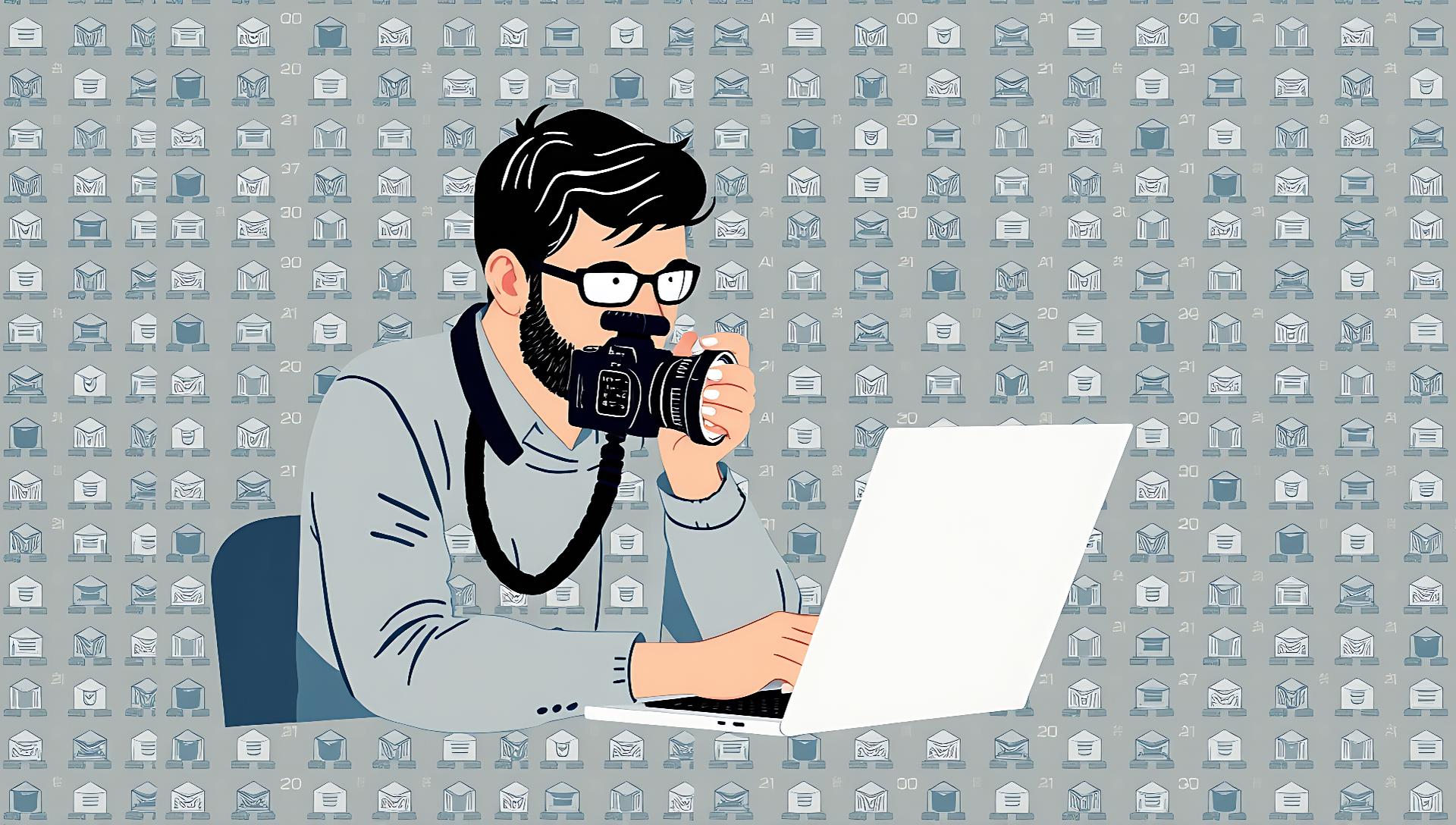

The New York Times has issued a formal ban on its photojournalists using Adobe Photoshop’s Generative AI features, including Generative Fill and Generative Expand. The policy, flagged in a Hacker News discussion with 150 points, was communicated internally following the release of Photoshop 2024 and is a definitive line against AI-altered content in news photography.
This directive, effective immediately, restricts tools that can add, remove, or expand elements within a photo using AI synthesis. It reinforces the paper's existing ban on "AI-generated" imagery but specifically names Adobe's newly integrated features as off-limits for its visual journalists.
How the NYT Policy Works
The policy is a clarification, not a new rule. The Times' longstanding Standards and Ethics guidelines prohibit manipulating news photos beyond basic color correction, cropping, and dust-spot removal. The advent of Photoshop's Firefly-powered tools created a gray area, as they are embedded within the standard editing suite.
The new directive explicitly states that using the Generative Fill brush, Generative Expand, or the Contextual Task Bar for AI generation violates journalistic integrity. Photographers must rely on traditional tools like the Clone Stamp or Content-Aware Fill, which replicate existing pixels rather than invent new ones.
Bottom line: The policy draws a technical bright line: tools that synthesize novel pixels from a model are banned; tools that rearrange or copy existing pixels from the photo are permitted.
The Core Ethical Conflict
The ban centers on the non-deterministic nature of generative AI. Traditional edits have a traceable, repeatable path from source image to output. A Generative AI edit produces a different, statistically plausible result each time, breaking the chain of custody for a documentary image.
For an institution that faced scandal over manipulated images in the past, this is a preemptive strike. It treats AI not as an advanced tool, but as a different category of technology that fundamentally breaks the contract of photojournalism. Early reactions on Hacker News noted this is less about capability and more about verifiability and trust.
Pros and Cons of the Ban
Pros:
- Preserves Trust: Eliminates ambiguity for readers about what is "real" in a news photo.
- Clear Guidelines: Provides photographers with an unambiguous, technical rule to follow.
- Prevents Slippery Slope: Stops gradual normalization of minor AI alterations that could escalate.
Cons:
- Workflow Inefficiency: Forces photographers to use slower, manual methods for tasks like removing modern distractions (e.g., a power line) from a historical scene.
- Competitive Disadvantage: Outlets without such strict policies could produce "cleaner" images faster.
- Arbitrary Line: Some argue advanced Content-Aware Fill is already a primitive AI, making the distinction more about degree than kind.
Alternatives for Ethical Image Editing
For photojournalists and documentarians bound by similar ethics, the workflow reverts to pre-generative AI tools. For other creators, the choice depends on the required level of integrity.
| Feature | NYT-Approved (Photoshop) | Banned (Photoshop Generative AI) | Alternative for Non-News |
|---|---|---|---|
| Object Removal | Clone Stamp, Healing Brush, Content-Aware Fill (Classic) | Generative Fill Brush | Stable Diffusion Inpainting (local/cloud) |
| Extending Canvas | Manual cloning, stitching | Generative Expand | DALL-E 3 Outpainting via API |
| Source of Pixels | Copied from the same photo | Synthesized from Adobe Firefly model | Synthesized from SD/DALL-E model |
| Deterministic | Yes (repeatable) | No (variable output) | No (variable output) |
| Use Case | Documentary, Journalism | Concept Art, Marketing | Concept Art, Marketing |
"How to Implement a Similar Policy"
Organizations can replicate this policy by locking down software versions or using administrative controls.
firefly.adobe.com and firefly-stage.adobe.com via firewall rules.
Who Should Adopt This Standard
This policy is a mandatory baseline for any organization publishing documentary or journalistic photography. This includes news agencies, scientific journals, historical archives, and non-profits in conflict or disaster zones.
Independents and artists should study this standard even if they don't adopt it. Understanding the strictest boundary makes intentional deviations more defensible. The policy is not relevant for concept artists, marketing teams, or fiction content creators, for whom Generative Fill is a pure efficiency gain.
Bottom line: This is the new gold standard for any image where truth-claim is part of the product. Ignoring it risks institutional credibility.
Where to Access the Tools and Guidelines
The tools and frameworks defining this space are publicly accessible:
- The Source: DPReview coverage of the NYT policy
- Ethical Framework: The New York Times Ethical Journalism Handbook
- The Software: Adobe Photoshop
- Technical Alternative: GIMP with Resynthesizer Plugin (open-source, non-AI healing/cloning)
- Industry Context: National Press Photographers Association Code of Ethics
The NYT's move is less a Luddite rejection of technology and more a critical, early demarcation of a new ethical frontier. It forces the industry to define "editing" not by the tool's sophistication, but by the provenance of the pixels in the final frame. Other truth-bound industries, from academic research to forensic science, will likely follow with similar, model-specific prohibitions.




Top comments (0)