
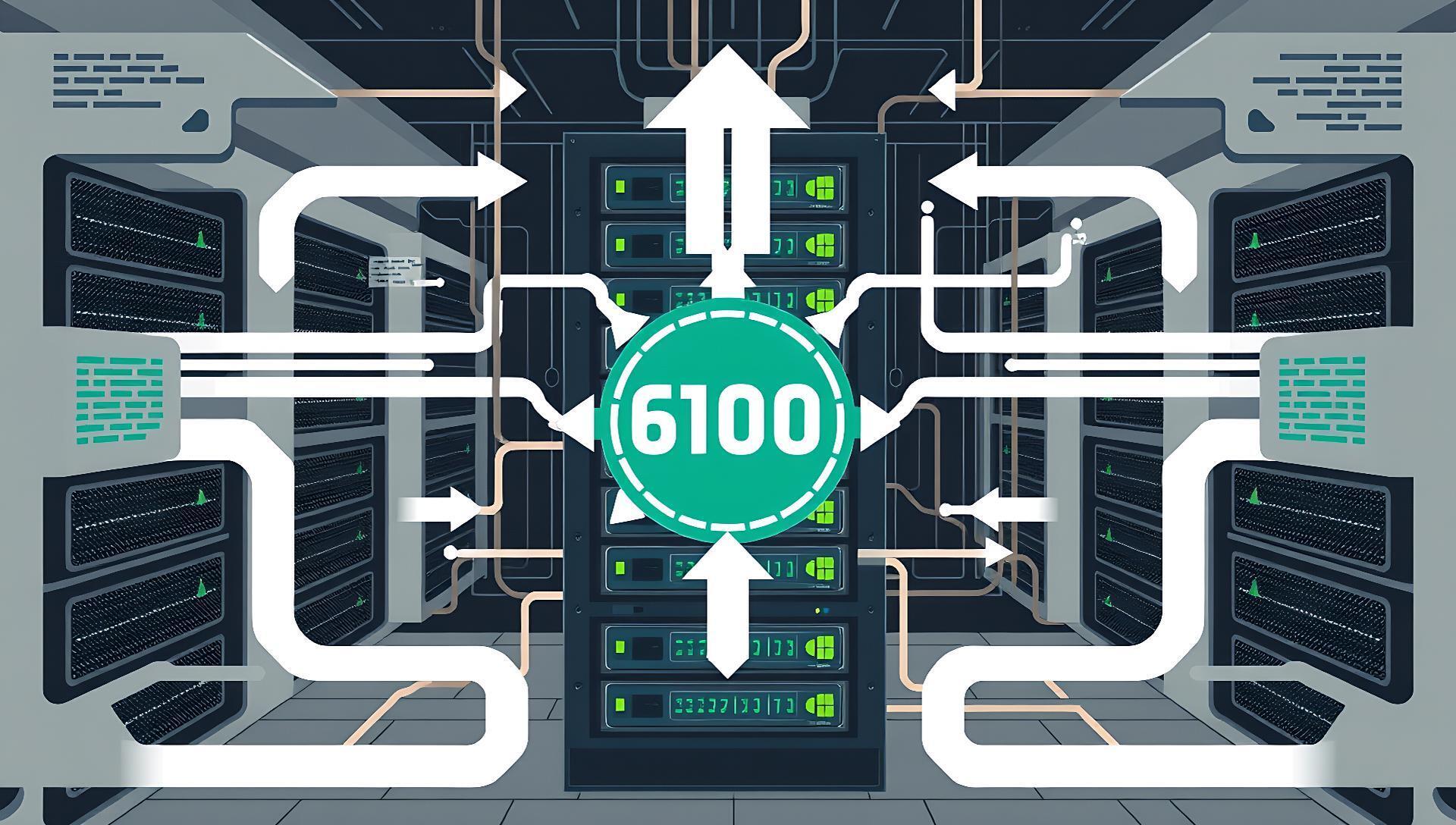

Analysts tracking the underground AI hardware market allege that over 1.5 million high-performance Nvidia GPUs have been smuggled into China since U.S. export controls took effect, a story first flagged in a Hacker News discussion last week. The scale of the operation, representing a power draw of over 1.5 gigawatts, suggests a systemic, industrial-level effort to circumvent restrictions on advanced compute.
Estimated Scale: 1.5+ million GPUs | Power Draw: >1.5 gigawatts | Key Models: A100, H100, and downgraded A800/H800 | Timeframe: Since October 2022 controls
How the Smuggling Pipeline Operates
The operation does not rely on simple suitcase transfers. Analysts describe a multi-stage process where chips are first legally sold to data centers in regions like Southeast Asia or the Middle East. The hardware is then diverted and transshipped through complex networks before reaching mainland China. Once inside the country, the GPUs are integrated into large-scale, often state-supported, compute clusters. This method exploits gaps in end-user verification and international shipping logistics, making direct interdiction difficult for regulators.
The Staggering Scale in Context
The number 1.5 million GPUs provides concrete scale to an otherwise shadowy trade. For comparison, leading cloud provider CoreWeave, a major Nvidia partner, reportedly operated a fleet of approximately ~45,000 H100 GPUs in 2024. The alleged smuggled volume is equivalent to over 30 times that entire inventory. The associated 1.5+ gigawatt power requirement is comparable to the energy consumption of a major metropolitan area, indicating these chips are powering dedicated, centralized infrastructure, not scattered research labs.
| Metric | Alleged Smuggled GPUs (Est.) | CoreWeave 2024 Inventory (Reported) | Tesla Dojo Cluster (Projected) |
|---|---|---|---|
| GPU Count | 1,500,000+ | ~45,000 | ~10,000 (ExaPOD) |
| Power Draw | >1.5 GW | ~0.05 GW | ~0.01 GW |
| Primary Use | Chinese AI Training | Commercial Cloud | Autonomous Vehicle AI |
Why This Matters for Global AI Development
U.S. export controls were designed to limit China's advancement in frontier AI model training by restricting access to the most efficient hardware. The effectiveness of this strategy is now in question. If Chinese entities can reliably acquire hardware at this volume, the compute moat the controls intended to create erodes significantly. This could accelerate the development of large language models and other compute-intensive AI applications within China, potentially altering the competitive timeline.
The situation also creates a two-tier market. Developers and companies outside China compete for scarce, expensive GPU cloud capacity or physical hardware, while entities within China with access to these channels may face less constrained supply, albeit at higher risk and cost than an open market.
Bottom line: The smuggled volume is large enough to meaningfully impact the global balance of AI compute power, undermining a key pillar of the current U.S. tech containment strategy.
Practical Implications for AI Practitioners
For researchers and developers globally, this black market has indirect effects. Continued high demand from unauthorized channels contributes to the persistent shortage and high pricing of high-end GPUs like the H100 on the open market. It also increases scrutiny on all international hardware transactions, potentially complicating legitimate academic and corporate collaborations that require shipping hardware.
For teams within China, the situation is one of access with uncertainty. While supply may be available, it lacks the legal guarantees, official vendor support, and stable long-term supply chain of legitimate purchases. This makes large-scale, multi-year project planning risky.
"Technical Context: U.S. Export Controls"
The U.S. Bureau of Industry and Security (BIS) imposed restrictions on advanced AI GPUs in October 2022, updated in October 2023. The rules set a maximum Total Processing Performance (TPP) and Interconnect Bandwidth threshold. Nvidia's A100 and H100 chips exceeded these limits. In response, Nvidia created legally compliant, downgraded variants for the Chinese market like the A800 and H800, which had reduced interconnect speeds. Subsequent updates in 2023 aimed to close this loophole, targeting those specific chips and further lowering the performance thresholds.
Alternatives and the Push for Domestic Silicon
The smuggling operation highlights the extreme demand that Chinese domestic GPU manufacturers have yet to fulfill. Companies like Biren Technology and Moore Threads have developed GPUs but face significant challenges in software ecosystem maturity and raw performance parity.
| Factor | Smuggled Nvidia (A100/H100) | Domestic Chinese (e.g., Biren BR100) | Legal Nvidia (A800/H800) |
|---|---|---|---|
| Performance | Full, Unrestricted | ~50-70% of A100 (est.) | Legally Downgraded |
| Software Stack | CUDA (Full) | Proprietary (Growing) | CUDA (Full) |
| Supply Risk | High (Seizure) | Low | High (Policy Change) |
| Cost | Very High (Premium) | Lower (Subsidy) | High |
The long-term strategic response is a massive push for domestic substitution. The Chinese government is funneling billions into its semiconductor industry, but building a competitive, full-stack alternative to Nvidia's hardware and CUDA ecosystem remains a 5-10 year challenge.
Who Should Care About This News?
- AI Infrastructure Planners: The news underscores the geopolitical volatility of hardware supply chains. Diversification strategies, including evaluating alternative architectures (e.g., AMD, custom ASICs) or leveraging different cloud regions, become more critical.
- Policy Analysts & Investors: This is a key data point on the effectiveness of tech decoupling policies and the resilience of global tech networks. It signals continued high risk in the semiconductor sector.
- Researchers in China: Access to compute may be less constrained than commonly assumed outside China, but reliant on opaque and potentially unstable channels.
Developers simply trying to rent a cloud GPU for a side project will see little immediate change, but the macro-trends of high cost and scarcity are reinforced.
The Bottom Line on AI Chip Smuggling
The alleged scale of smuggling demonstrates that market demand and technological advancement can often outpace regulatory enforcement. While not a sustainable or secure foundation for a national AI strategy, the influx of over 1.5 million GPUs provides China with a significant, temporary buffer of compute power. This shifts the timeline, forcing competitors and policymakers to adjust their expectations around China's AI capabilities in the near to medium term.
The ultimate resolution lies not in tighter customs checks, but in the success or failure of China's domestic chipmaking efforts. Until then, the shadow market will remain a major, if unquantifiable, factor in the global AI race.





Top comments (0)