
AI Outpainting: Expanding Creativity with Stable Diffusion
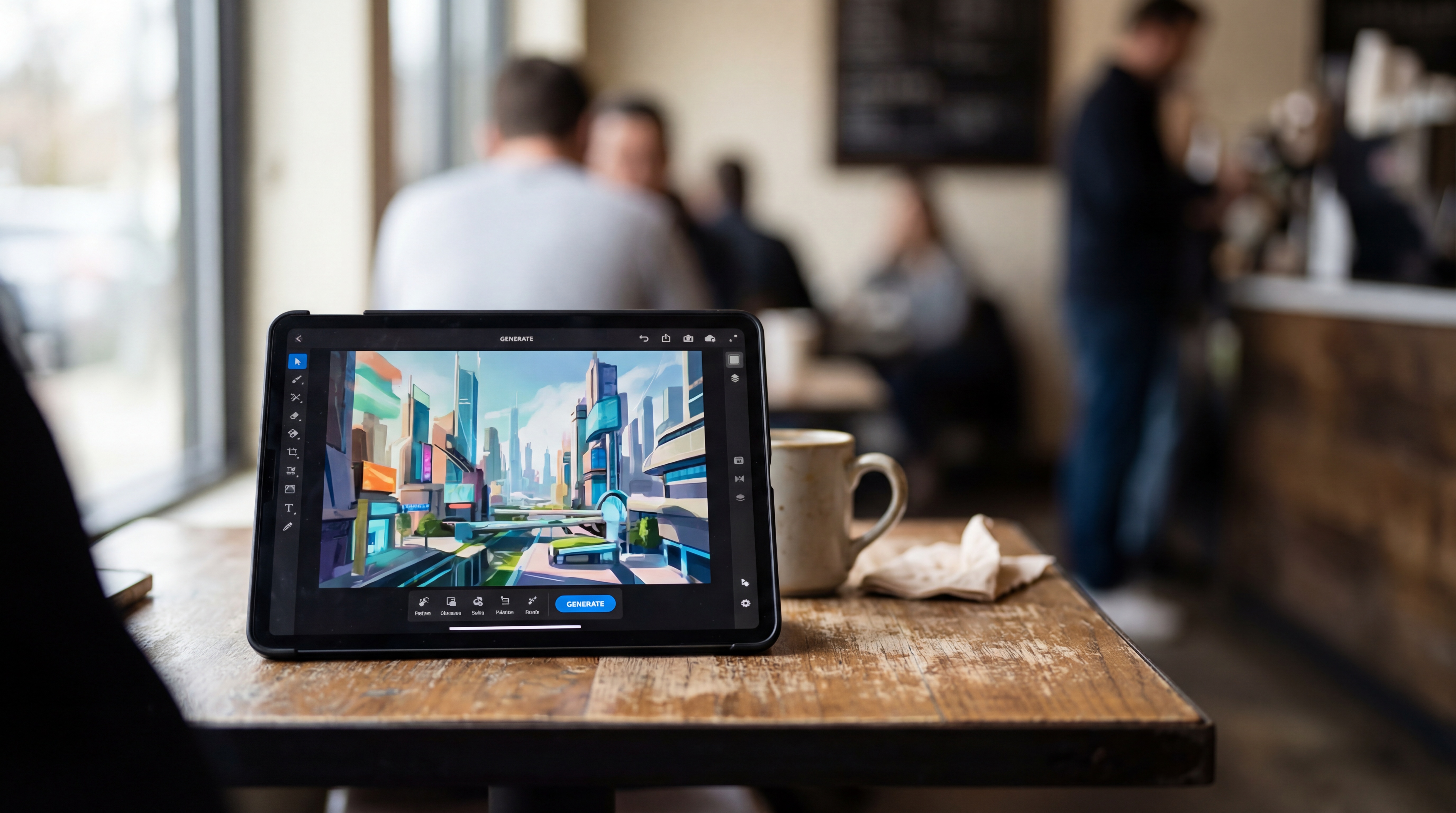
Outpainting, the process of extending an image beyond its original borders using AI, has become a powerful tool for artists and creators. With Stable Diffusion, a leading generative AI model, users can seamlessly expand visuals while maintaining coherence and detail. This technique is transforming workflows in digital art, game design, and content creation by enabling infinite canvas possibilities.
Quick Specs for Stable Diffusion Outpainting
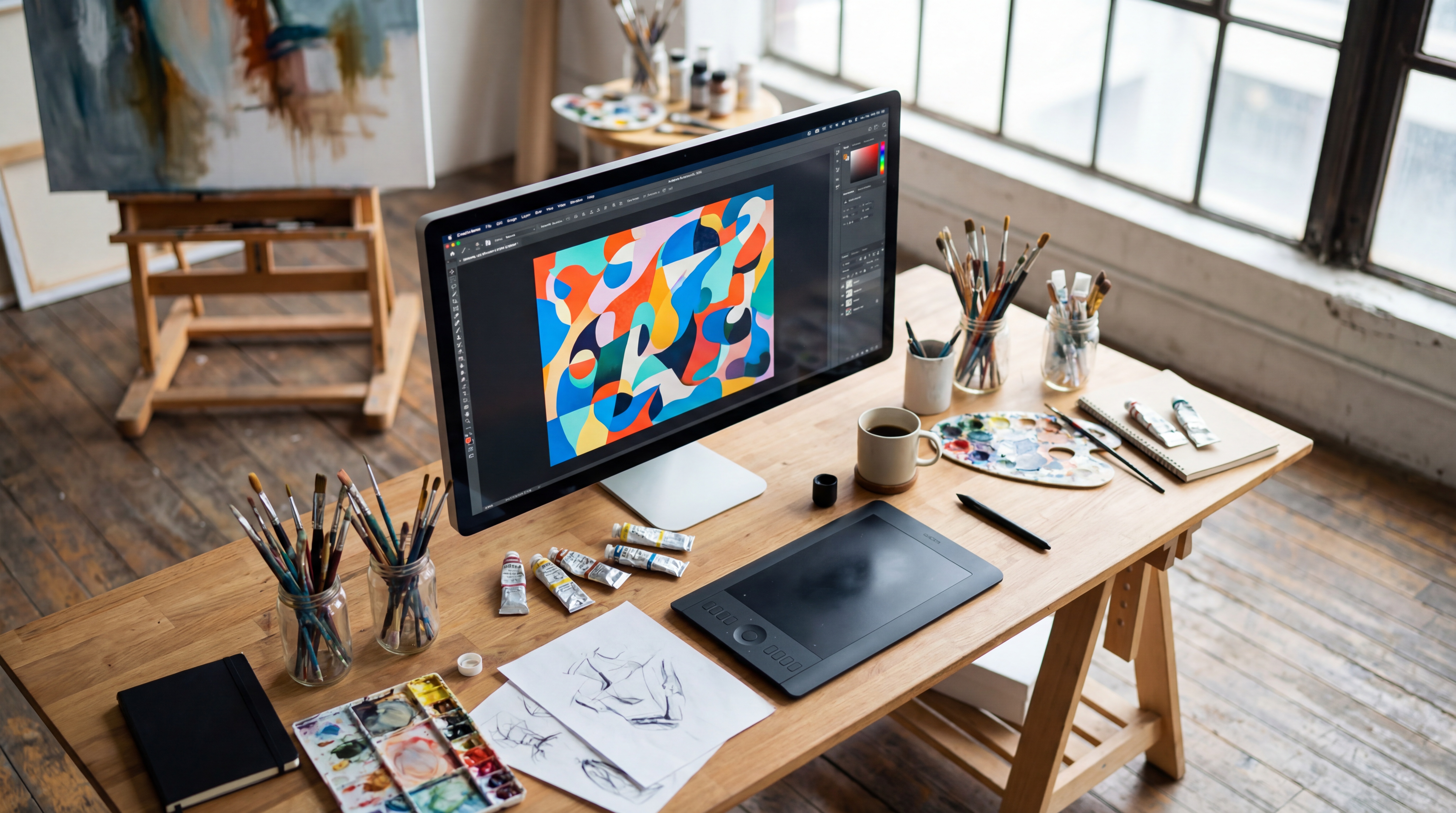
Model: Stable Diffusion | Parameters: 2B | Speed: Varies by hardware
Price: Free (open-source) | Available: Local, Cloud Platforms | License: Open-source
Why Outpainting Matters in AI Art
Outpainting isn’t just about making images bigger—it’s about preserving context and style. With Stable Diffusion, the model analyzes the existing content, predicts logical extensions, and generates new pixels that blend naturally. Early testers report that results are often indistinguishable from the original, especially with detailed prompts guiding the process.
This capability is particularly valuable for creating panoramic scenes or adapting artwork for different formats. For instance, a portrait can be expanded into a full landscape with consistent lighting and textures. The model’s ability to handle complex elements like patterns or backgrounds sets it apart from traditional editing tools.
Bottom line: Outpainting with Stable Diffusion offers a near-magical way to scale creativity without losing artistic integrity.
Key Techniques for Effective Outpainting
Achieving high-quality outpainting results requires specific strategies. First, crafting precise prompts is critical—describe the desired extension, such as “a lush forest continuing to the right” or “urban skyline at dusk.” Users note that vague inputs often lead to mismatched or surreal outputs.
Second, adjusting the model’s settings can optimize performance. For example, increasing the number of inference steps to 50-100 enhances detail but slows processing. Balancing this with hardware constraints is key—GPUs with at least 4GB VRAM are recommended for smooth operation.
Finally, iterative refinement works best. Start with small extensions, review the output, and build incrementally. Community feedback highlights that this approach minimizes errors like abrupt style shifts or unnatural seams.
Comparing Outpainting Tools
| Feature | Stable Diffusion | Traditional Editing |
|---|---|---|
| Speed | 5-30s per extension | Minutes to hours |
| Cost | Free (local setup) | $20-50/month (software) |
| Learning Curve | Moderate | Steep |
| Seamless Blending | High | Variable |
Stable Diffusion outshines manual editing in speed and accessibility, though it requires some trial and error to master. Traditional tools often demand more time and skill for comparable results.
Advanced Setup for Power Users
"Optimizing Stable Diffusion for Outpainting"
For those running Stable Diffusion locally, ensure your environment supports CUDA for GPU acceleration—NVIDIA cards with 8GB VRAM or more handle larger extensions efficiently. Install the model via repositories like those on Hugging Face for the latest updates. When configuring, set the overlap mask to 20-30% to improve edge blending. Test with smaller batch sizes if memory is limited, and monitor VRAM usage to avoid crashes.
Challenges and Workarounds
Despite its strengths, outpainting with Stable Diffusion isn’t flawless. Common issues include inconsistent textures or objects that don’t align logically—think a tree morphing into a building. Users suggest countering this by providing highly specific prompts and using inpainting tools to correct small errors post-generation.
Processing speed is another hurdle on lower-end hardware. Outputs can take up to 60 seconds per extension on systems with less than 4GB VRAM. Upgrading hardware or using cloud-based platforms with pre-configured setups can cut this down significantly.
Bottom line: While challenges exist, strategic prompting and hardware optimization can elevate outpainting results.
The Future of AI-Driven Image Expansion
As generative AI continues to evolve, outpainting capabilities in models like Stable Diffusion are poised to become even more intuitive. With ongoing community contributions and updates, we can expect faster processing, better edge detection, and smarter context awareness in the near future. This opens doors for real-time applications in industries like virtual reality and film production, where dynamic content creation is paramount.





Top comments (0)