
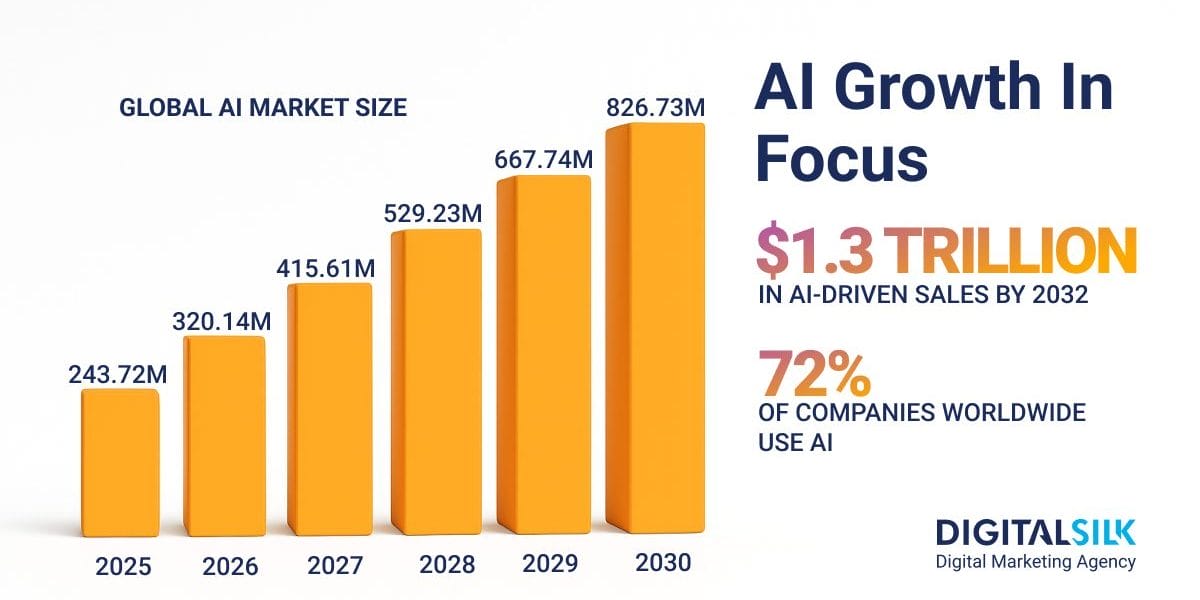

The IEEE Spectrum's State of AI Index for 2026 uses graphs to highlight major trends in AI development, including surging investments and ethical challenges. This report, based on data from leading sources, shows AI's rapid evolution with specific metrics on growth rates and adoption. It gained traction on Hacker News, reflecting interest from the AI community.
Key Trends in the Graphs
The index features graphs illustrating AI investment reached $200 billion in 2026, a 40% increase from 2025, driven by sectors like healthcare and autonomous systems. One graph shows generative AI models growing from 1,500 in 2024 to over 5,000 by 2026, with adoption rates hitting 75% in enterprises. Another highlights ethical concerns, noting that 60% of AI projects now include bias mitigation strategies, up from 30% in 2023.
Bottom line: These graphs quantify AI's expansion, with investment and model proliferation as core drivers of progress.
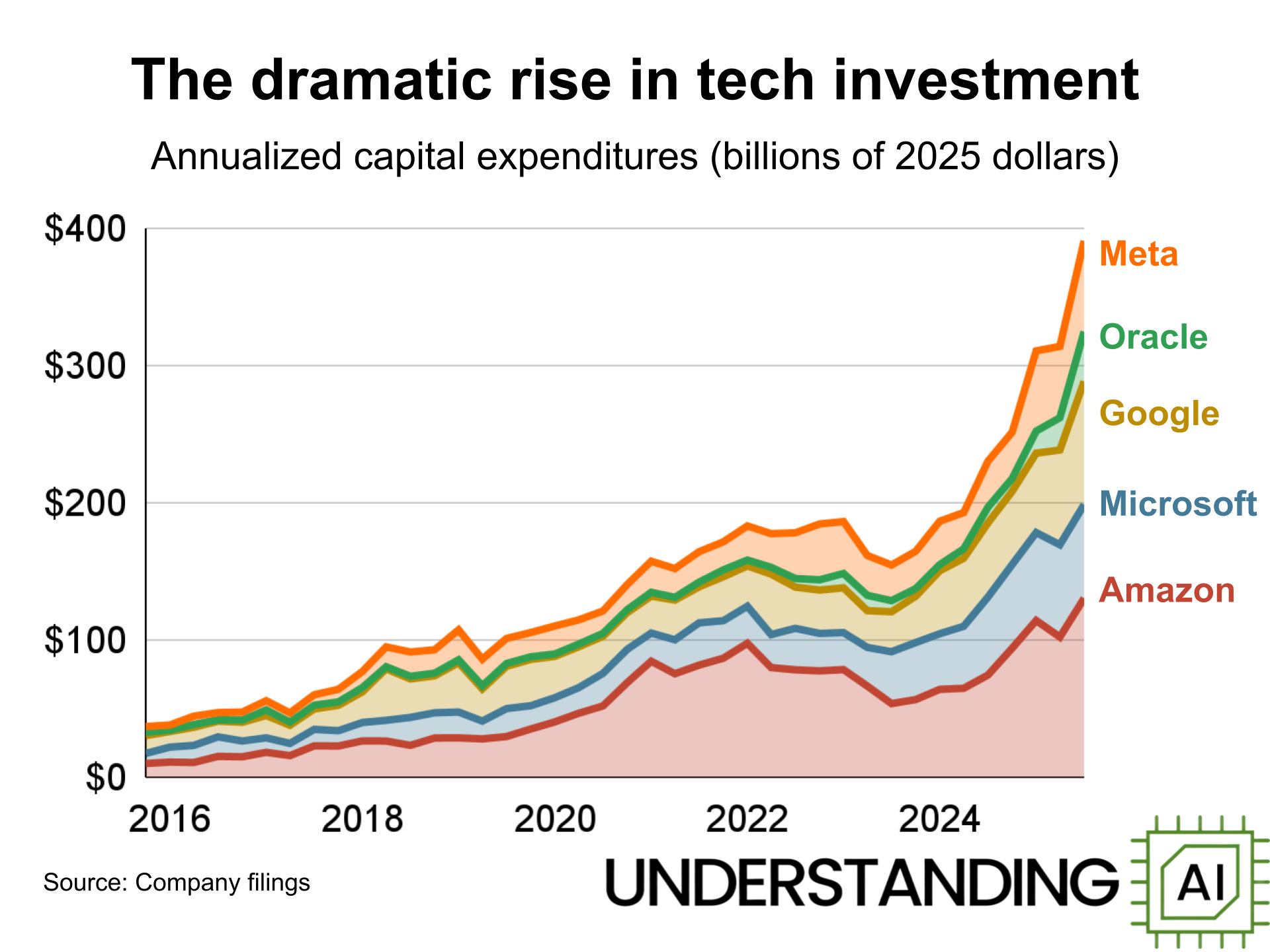
Community Reaction on Hacker News
The HN post amassed 57 points and 36 comments, indicating strong engagement from AI practitioners. Comments praised the graphs for clarifying complex metrics, such as AI's carbon footprint, which one graph estimates at 2.5% of global emissions. Critics raised questions about data sources, with users noting potential biases in how trends like AI ethics are visualized.
| Aspect | Positive Feedback | Concerns Raised |
|---|---|---|
| Investment Growth | "Spot-on visualization of $200B surge" | "Overlooks regional disparities" |
| Model Adoption | "Clear 75% enterprise rate" | "Questions on data accuracy" |
| Ethical Focus | "Bias strategies up 30%" | "Needs more on implementation" |
Bottom line: HN users value the graphs for actionable insights but demand greater transparency in underlying data.
"Technical Context"
The State of AI Index draws from sources like academic papers and industry reports, using metrics such as parameter counts and inference speeds. For instance, it references models with 100B+ parameters achieving real-time performance, a trend supported by benchmarks from arxiv papers.
Implications for AI Practitioners
These graphs underscore that developers can expect AI tools to become more accessible, with cloud costs dropping 25% due to optimized hardware. Researchers might leverage the data on ethics to prioritize frameworks like those in NLP, where 80% of models now incorporate fairness checks. For creators, the report signals opportunities in generative AI, where user-generated content doubled to 1 billion instances in 2026.
Bottom line: The index equips practitioners with data to navigate AI's growth, from cost efficiencies to ethical standards.
In summary, the State of AI Index for 2026 provides a data-driven roadmap, predicting that AI integration will accelerate innovation while addressing risks, based on the trends observed in the graphs.




Top comments (0)