
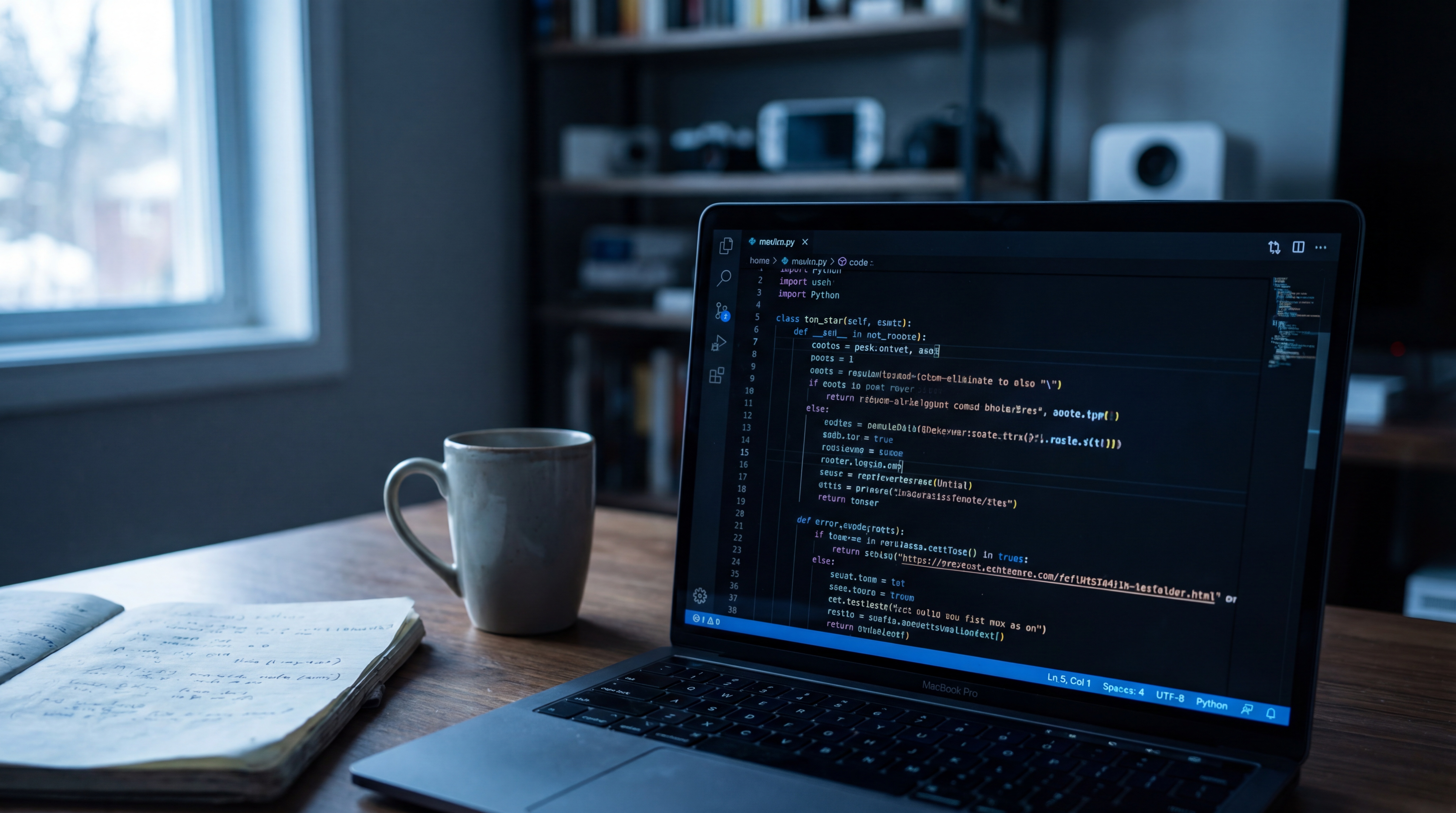

Claude Leark, a notable project in the AI coding space, has been fully converted from TypeScript to 100% Python. This transition, shared by a user on Hacker News, marks a significant shift for developers who prefer Python's ecosystem for AI and machine learning workflows. The project now aligns more closely with the tools and libraries dominant in the AI community.
This article was inspired by "Someone just converted Claude Leark from TypeScript to 100% Python" from Hacker News.
Read the original source.
Why Python Matters for Claude Leark
Python dominates AI development with libraries like TensorFlow, PyTorch, and NumPy powering most modern workflows. Converting Claude Leark to Python—previously built in TypeScript—makes it more accessible to AI practitioners who rely on these tools. The shift also simplifies integration with existing Python-based pipelines for tasks like natural language processing or code generation.
The Hacker News post notes that the conversion retains all core functionalities. Early feedback suggests the Python version may even improve performance in certain environments due to better library compatibility.
Bottom line: This conversion bridges Claude Leark to the Python-centric AI world, lowering the entry barrier for many developers.

Community Reactions on Hacker News
The announcement garnered 11 points and 5 comments on Hacker News, reflecting moderate but engaged interest. Key points from the discussion include:
- Appreciation for Python's simplicity in AI projects compared to TypeScript.
- Curiosity about performance benchmarks post-conversion.
- Suggestions for integrating with popular Python frameworks like Flask or Django for deployment.
The community sees this as a practical move, though some users are eager for detailed comparisons between the two versions.
Technical Implications of the Shift
TypeScript, while strong for web-based applications with its static typing, often requires additional effort to interface with AI-specific libraries. Python, by contrast, offers native support for most machine learning frameworks, reducing dependency overhead. The conversion likely streamlines tasks like model training or inference directly within the Claude Leark codebase.
One speculated benefit is faster prototyping. Developers can now iterate on Claude Leark using Jupyter notebooks or similar Python environments, which are standard in AI research.
"Accessing the Project"
What’s Next for Claude Leark
Looking ahead, this Python conversion could position Claude Leark as a more central tool in AI development workflows. With the codebase now in a language that dominates the field, expect increased adoption among researchers and developers who prioritize seamless integration with existing Python tools. The community’s call for benchmarks and framework integrations hints at potential updates that could further solidify its relevance.







Top comments (0)