
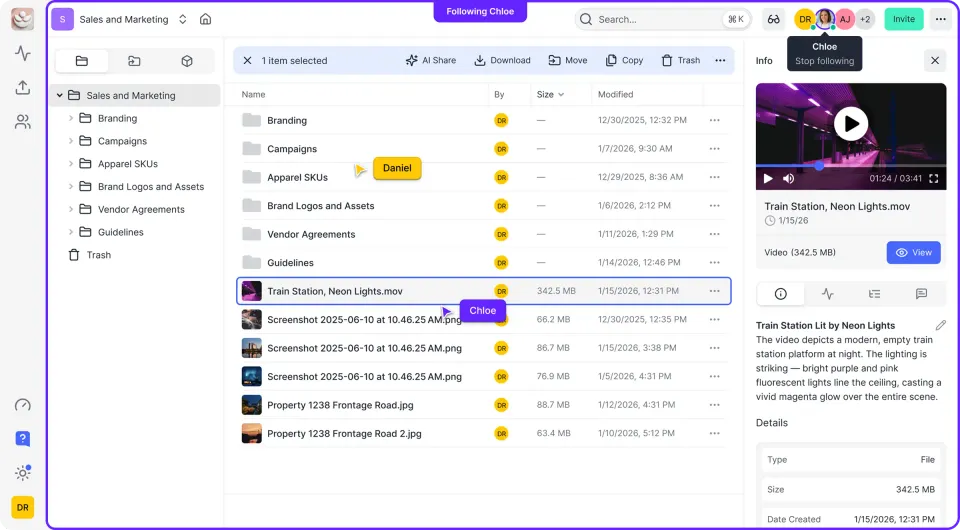

Marmot launched on Hacker News as a context layer designed to sit between AI agents and human users. The project is hosted at marmotdata.io.
What It Is / How It Works
Marmot maintains a shared context store that both agents and humans can read from and write to. Agents post observations or plans into the layer while humans add instructions or corrections in the same space. The system keeps context synchronized without requiring custom glue code for each new agent.

How to Try It
Visit the project site at marmotdata.io to view the current implementation. The Show HN thread indicates the repository and basic usage examples are linked from the landing page. Early users report starting with the provided client libraries to connect existing agents.
Pros and Cons
- Shared context reduces duplication when multiple agents work on the same task.
- Human-in-the-loop edits happen in the same store agents use.
- Limited public benchmarks exist after the initial 14-point Hacker News post.
- Only one comment appeared in the thread, leaving integration details sparse.
Alternatives and Comparisons
Teams already use LangChain and LlamaIndex for agent memory. Marmot focuses narrowly on the shared context surface rather than full orchestration.
| Feature | Marmot | LangChain Memory | LlamaIndex |
|---|---|---|---|
| Shared human/agent store | Core feature | Requires custom setup | Requires custom setup |
| Focus | Context layer only | Full agent framework | Retrieval + agents |
| Maturity | New Show HN | Production ready | Production ready |
Who Should Use This
Developers running multiple agents that need consistent human oversight will find Marmot useful. Teams already satisfied with LangChain memory layers can skip it until more usage data appears. Projects requiring formal verification or heavy retrieval should look elsewhere first.
Bottom Line / Verdict
Marmot fills a narrow gap by treating context as a first-class shared resource between agents and humans. Its value will depend on adoption and concrete integration examples beyond the initial Hacker News post.
The project remains an early experiment worth watching as agent workflows grow more complex.






Top comments (0)