

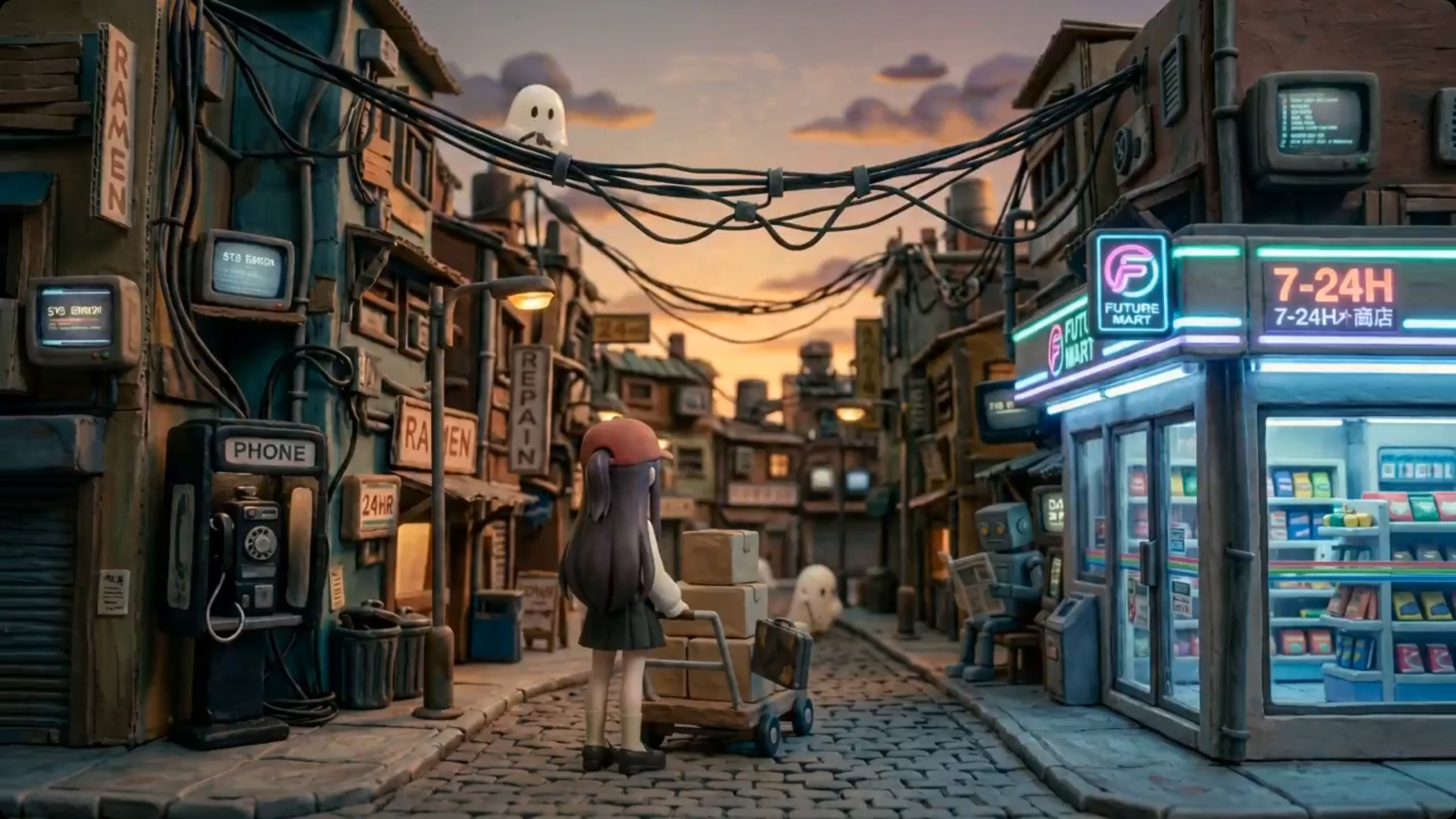
HappyHorse 1.0 is a new AI video generation model from Alibaba that’s been getting a lot of attention recently. It first showed up anonymously on leaderboards and still ranked at the top before being officially revealed.
I’ve been testing it over the past few days, and it feels noticeably different from most current AI video models.
What’s interesting about HappyHorse 1.0
Unlike typical pipelines (video first, audio later), HappyHorse generates audio and video together in a single process.
In practice, this leads to:
- better lip sync
- more natural timing
- fewer mismatches between motion and sound
It’s a small architectural change, but the impact is pretty obvious in output quality.
Quick observations from testing
Here are a few things that stood out:
- Better motion stability Less jitter, fewer broken frames, and more consistent object movement.
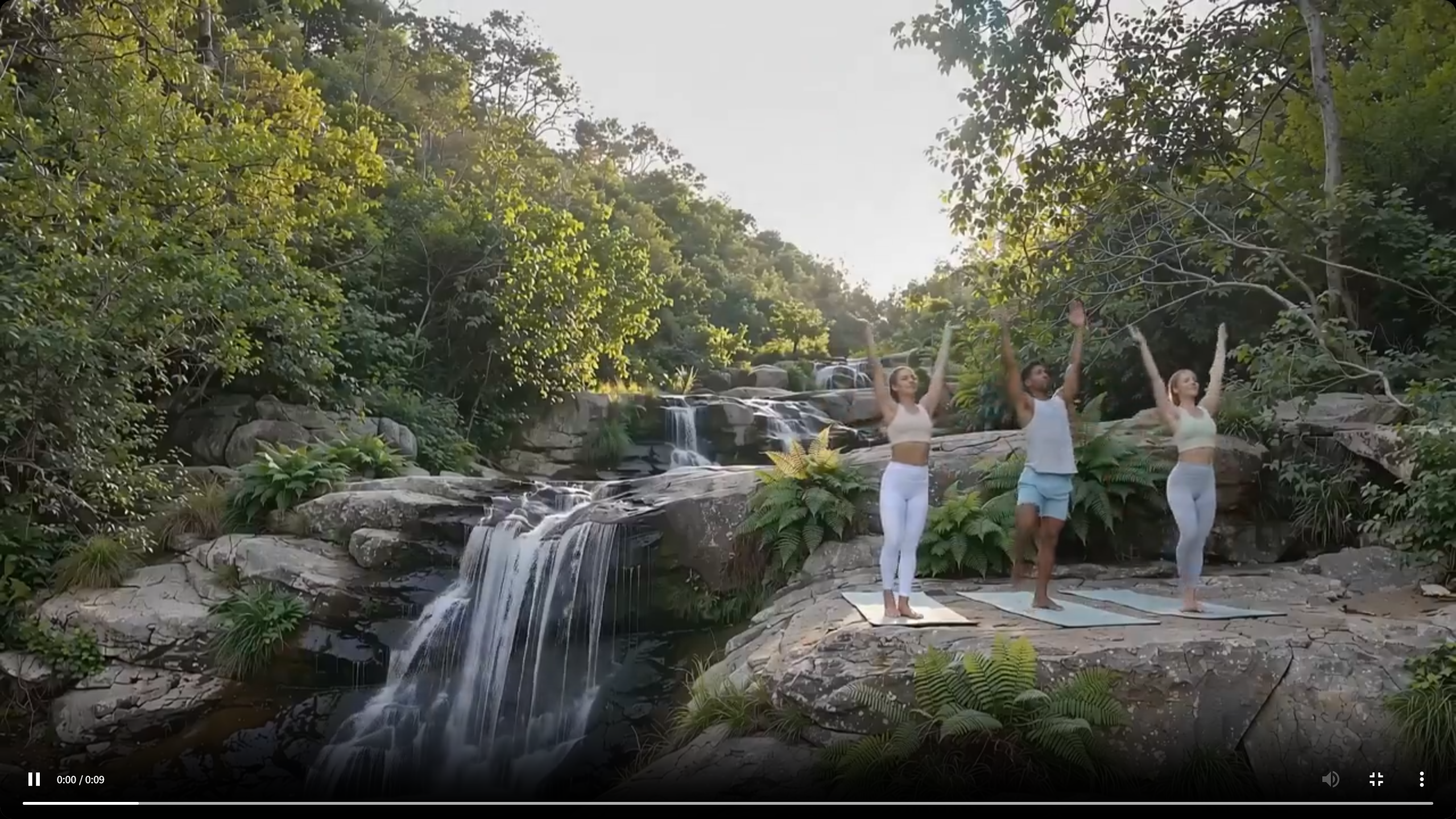
- Stronger multi-shot consistency Scenes hold together better across cuts (less identity drift).
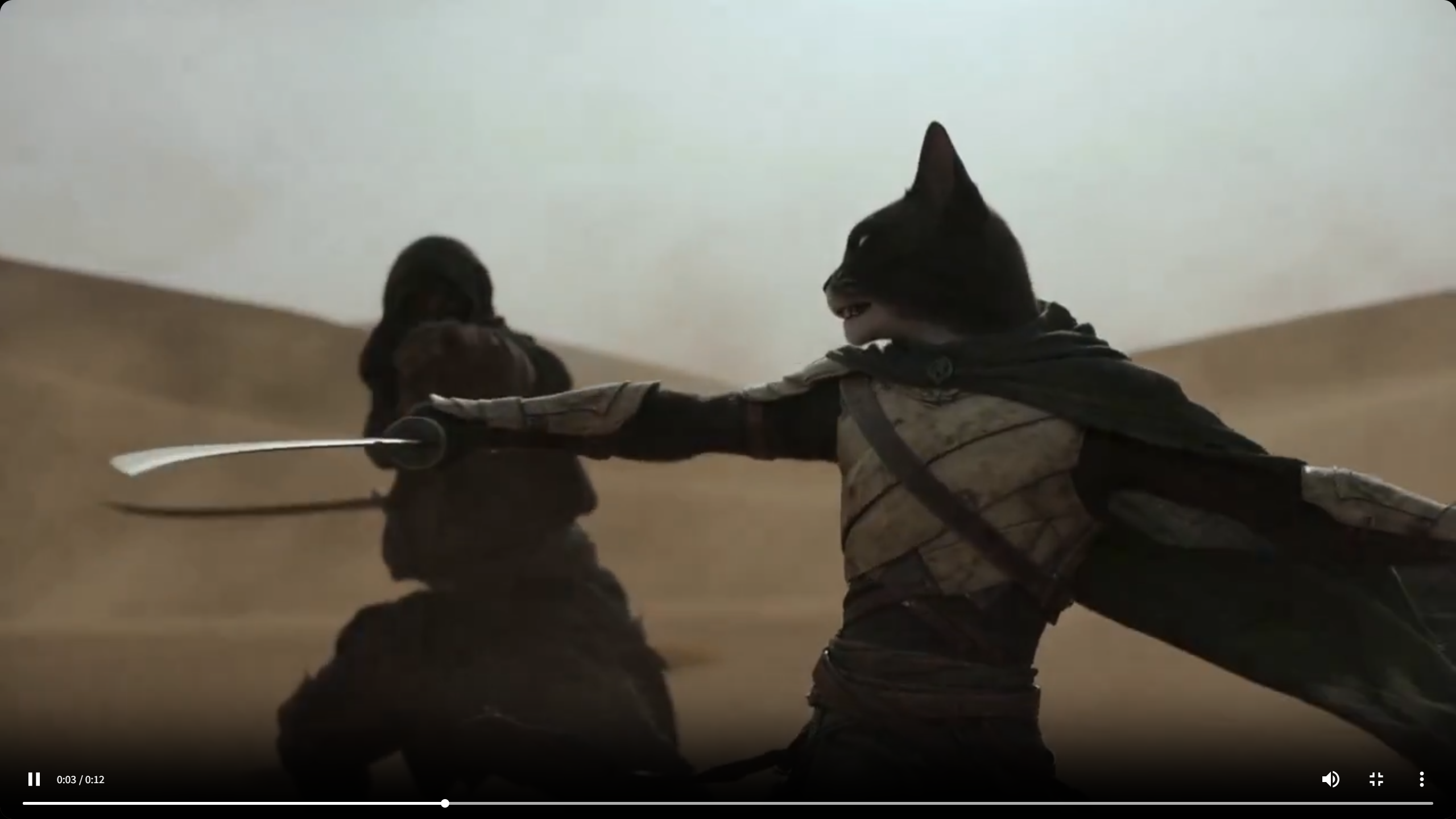
- More predictable prompt control Camera movement, lighting, and scene direction follow instructions more reliably.
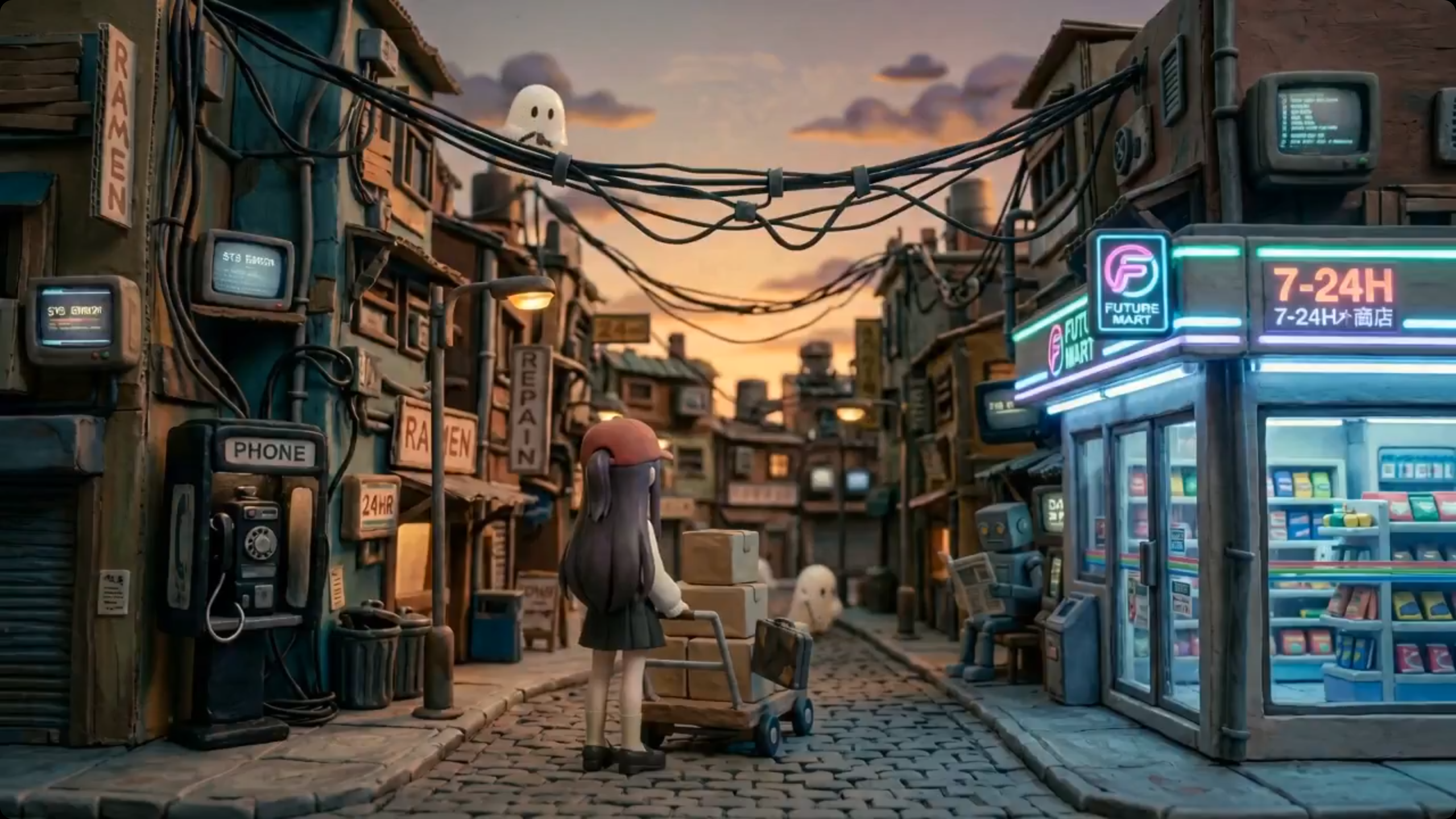
- Improved temporal coherence Outputs feel less fragmented compared to most text-to-video systems.
Example prompt structure
Here’s a simple prompt format that worked well for me:
A cinematic medium shot of a young woman speaking to camera,
soft natural lighting, shallow depth of field,
subtle camera movement, realistic facial expression,
clear speech, calm tone, indoor setting
Trying it out
I put together a simple way to test HappyHorse without setup:
Mostly using it to experiment with:
- text to video
- image to video
- short multi-shot scenes
Final thoughts
HappyHorse 1.0 feels like a step toward more usable AI video generation.
Not just better visuals — but better motion, sync, and overall coherence.
Curious if others here have tested it and what results you’re seeing.






Top comments (0)