
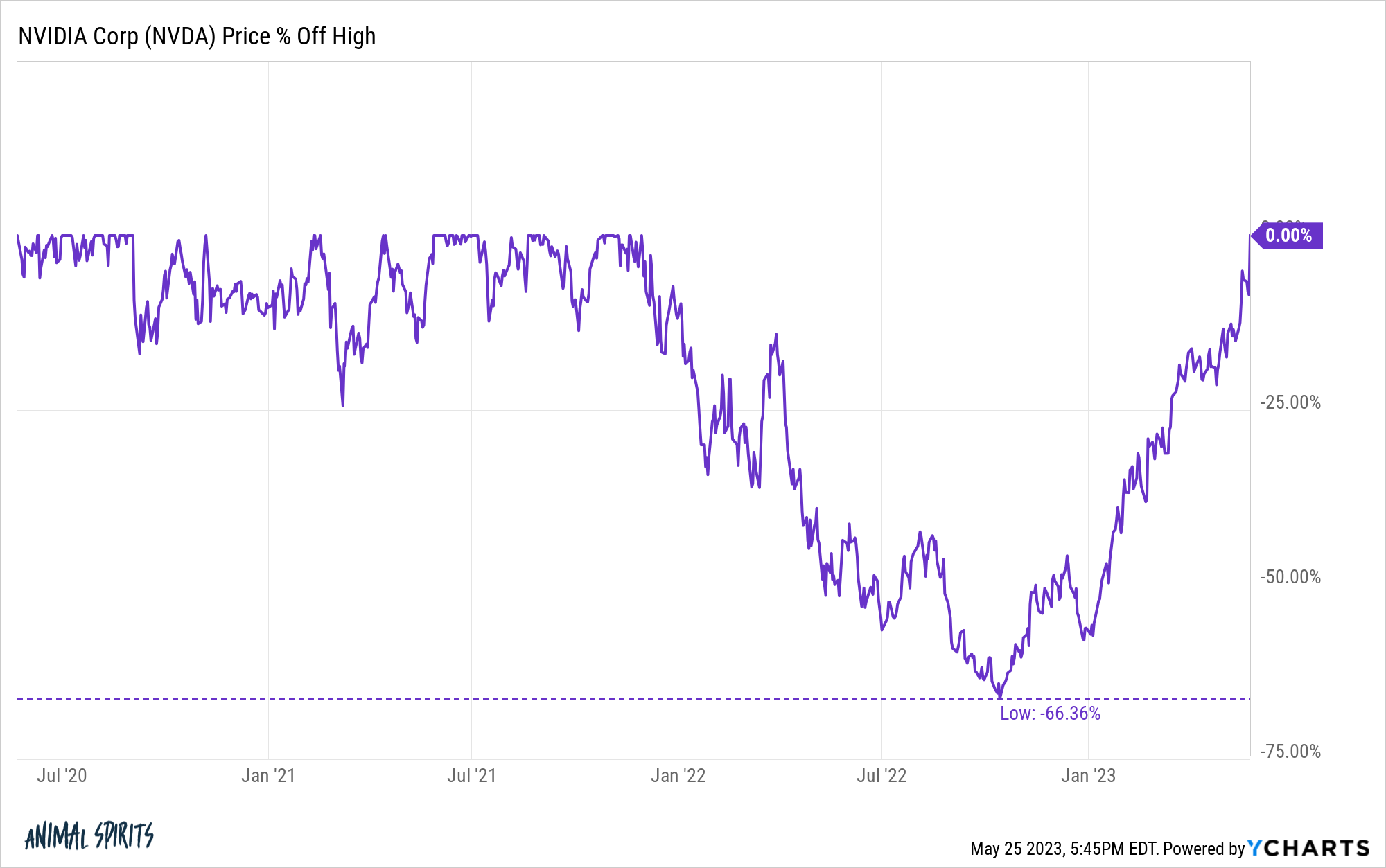

Black Forest Labs isn't the only AI story making waves; now, critic Gary Marcus is calling out the AI market for reaching "peak absurdity," pointing to overhyped promises and potential crashes.
This article was inspired by "The AI Market Is Hitting Peak Absurdity" from Hacker News.
Read the original source.
Marcus's Core Critique
Marcus argues that the AI industry is inflating valuations based on unproven tech. In his Substack piece, he highlights how companies like OpenAI have seen their worth skyrocket to over $80 billion despite inconsistent product performance. For instance, he cites ChatGPT's frequent errors in real-world tasks, with error rates up to 30% in benchmarks like the Massive Multitask Language Understanding tests. This insight underscores a gap between AI hype and actual utility for practitioners.
Bottom line: AI market overvaluation could lead to a correction, with current valuations exceeding practical returns by factors of 10x or more.
HN Community Reactions
The Hacker News post amassed 15 points and attracted 3 comments, reflecting mixed sentiments. Users noted concerns about AI's reproducibility issues, such as models failing to generalize beyond training data in 20-30% of cases. One comment questioned the ethics of funding, pointing to investments in unreliable tech as a risk for startups. Overall, feedback emphasized the need for grounded expectations in AI development.
| Reaction | Points Raised | Examples |
|---|---|---|
| Skepticism | 15 total points | Valuation bubbles |
| Support | 1 comment | Need for regulation |
| Criticism | 2 comments | Error rates in models |
Implications for AI Practitioners
For developers and researchers, Marcus's warnings highlight real risks in the current market. Tools like large language models often require 10-100x more compute than promised, straining budgets for small teams. Compared to established methods, new AI approaches show only marginal improvements—e.g., accuracy gains of 5-10% in NLP tasks—yet command premium prices. This could push creators toward more ethical, verifiable projects.
"Technical context"
Marcus references specific failures, such as hallucinations in models like GPT-4, where outputs are factually wrong in up to 15% of queries. This contrasts with traditional software, which maintains error rates below 1% through rigorous testing.
Bottom line: Practitioners should prioritize robust benchmarks over hype, as unchecked growth may lead to funding cuts in the next 1-2 years.
In light of Marcus's analysis and HN discussions, the AI field may face a market adjustment, with a potential 20-30% drop in valuations if hype continues unchecked, urging a shift toward sustainable innovation.






Top comments (0)