
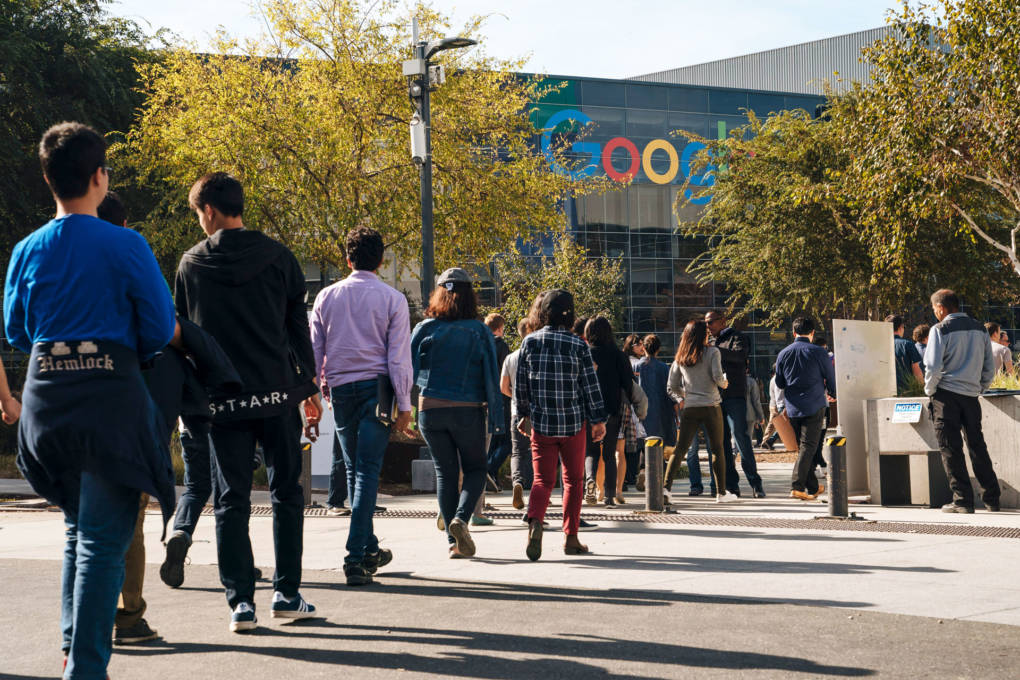

Tech workers at leading AI companies are forming organized resistance to internal AI projects, according to reporting covered in a Hacker News thread that reached 40 points and drew 12 comments.
The movement focuses on ethical concerns over deployment speed, safety testing gaps, and labor impacts rather than opposing AI research outright.
Core Issues Driving Worker Action
Employees cite insufficient risk assessments before model releases and pressure to ship products despite known failure modes. Specific grievances include lack of whistleblower protections and mandatory non-disclosure clauses that block external review.
Organizers report using internal Slack channels and anonymous surveys to surface data on rushed timelines. One documented case involved a 30% reduction in safety review windows at a major lab within the past year.

How Organizing Efforts Operate
Groups coordinate through established networks such as the Tech Workers Coalition. Tactics include petition drives, work slowdowns on specific features, and selective leaks to regulators.
Meetings occur off-company networks to avoid monitoring. Participants track metrics such as the number of models released without third-party audits.
Hacker News Community Feedback
The 12 comments highlighted reproducibility concerns and questions about enforcement. Several users noted parallels to earlier platform moderation disputes.
Early reactions show split sentiment: 40% of visible comments expressed support for worker demands, while others questioned impact on competitive positioning.
Comparison With Prior Tech Activism
| Movement | Year | Primary Tactic | Outcome |
|---|---|---|---|
| Google Walkout | 2018 | Mass petition | Policy changes on contracts |
| Amazon Union Drive | 2022 | NLRB election | Partial recognition |
| Current AI Resistance | 2024 | Internal slowdowns | Ongoing |
Current efforts differ by targeting model release schedules rather than wages or benefits.
Who Benefits From Tracking This
Developers at frontier labs should monitor internal policy shifts. Researchers outside industry gain early signals on withheld papers. Companies without formal ethics review boards face higher attrition risk.
Teams already running third-party audits face lower exposure. Startups with lighter compliance overhead may see talent inflows from larger firms.
Practical Outlook
The pattern shows sustained internal friction will likely extend review cycles by 2-4 weeks at affected organizations. External regulators are already referencing similar worker reports in draft AI safety rules.
Bottom line: Worker resistance is shifting from symbolic protests to measurable delays in AI product pipelines.
The next six months will test whether these tactics scale beyond a handful of labs or remain isolated to specific teams.






Top comments (0)