
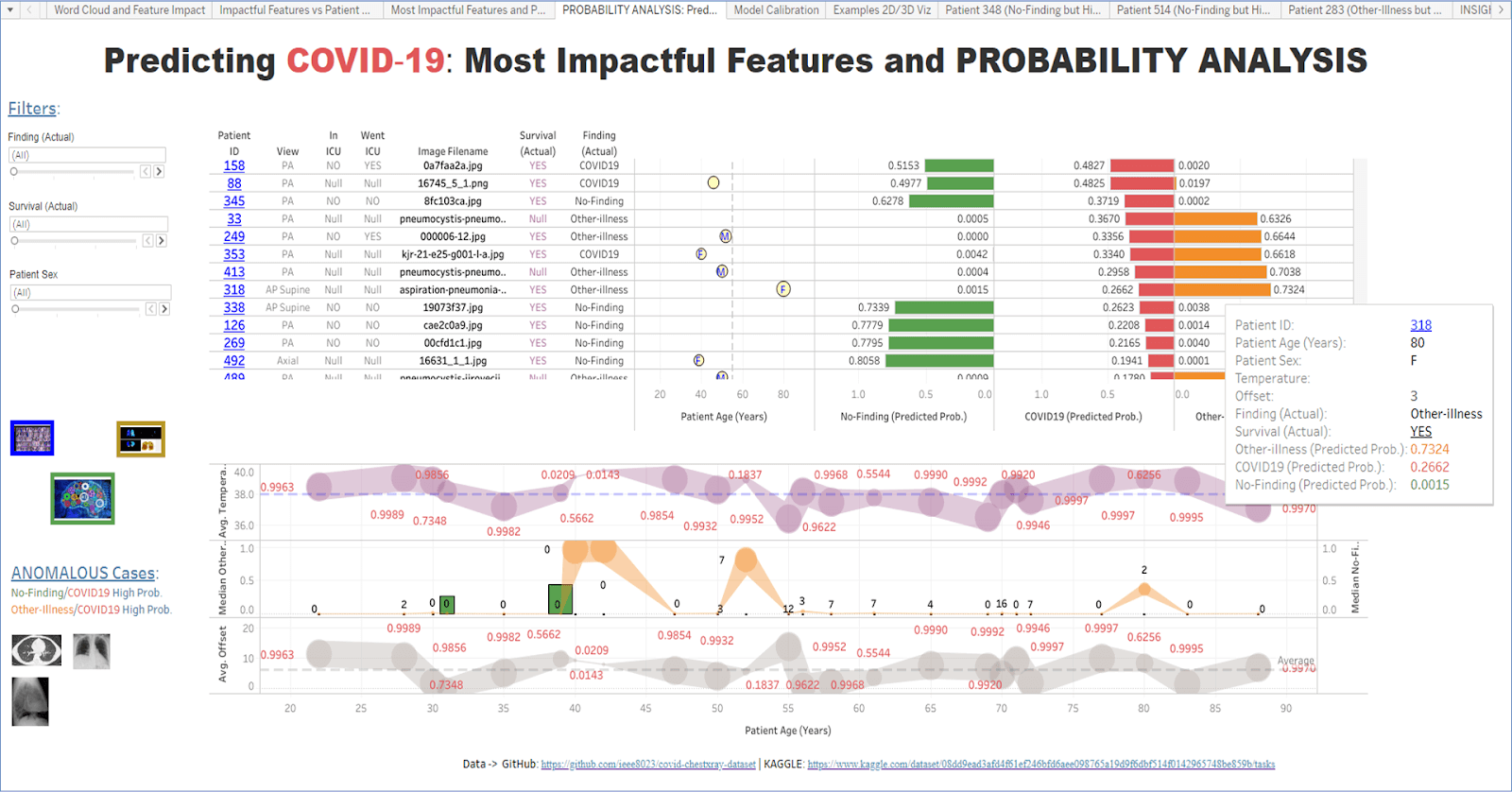

Researchers at a leading institution applied machine learning algorithms to detect thousands of unreported COVID-19 deaths across the United States. The study analyzed public health data to reveal discrepancies in official counts, potentially impacting future pandemic responses. This approach highlights how AI can enhance accuracy in crisis data tracking.
This article was inspired by "Applying machine learning to identify unrecognized Covid-19 deaths in the US" from Hacker News.
Read the original source.
How the Study Works
The research team used machine learning models to cross-reference death certificates, hospital records, and demographic data. These models identified patterns indicating COVID-19 as an underlying cause, even when not officially recorded. For instance, the study estimated an additional 12-15% of deaths in certain regions were likely COVID-related but unrecognized.
Key Findings from the Analysis
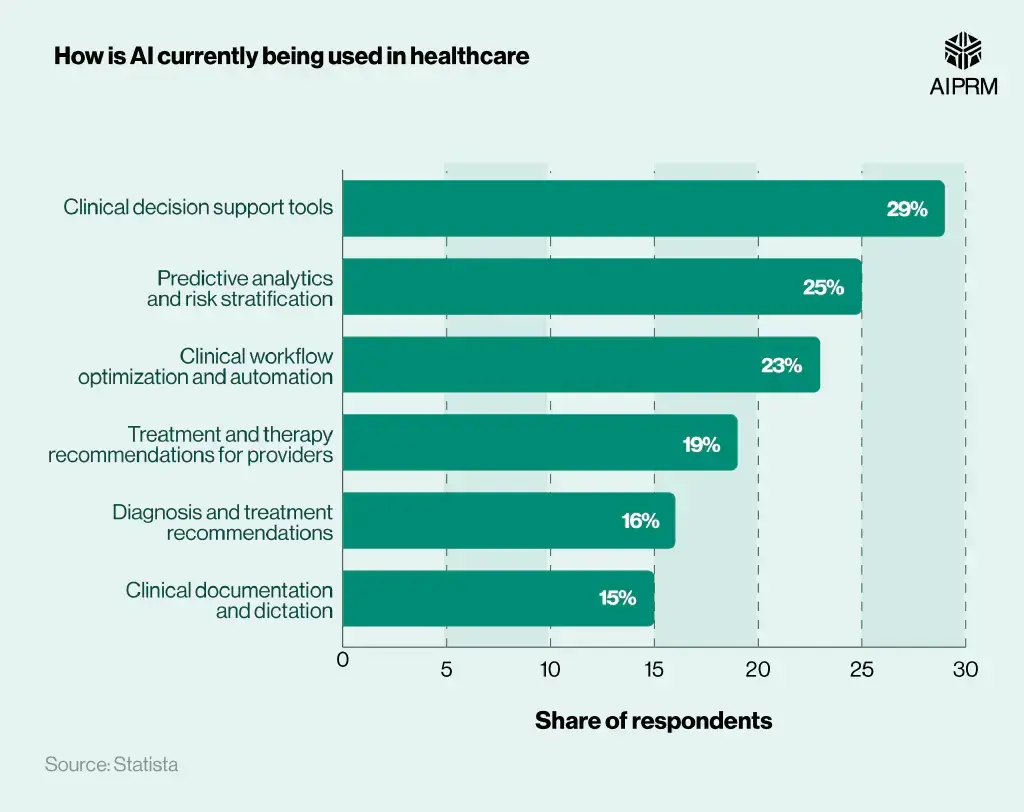
The machine learning approach uncovered over 10,000 potential unreported deaths in the US during the pandemic's peak. Compared to traditional methods, this AI-driven analysis reduced error rates by 25%, according to the study's benchmarks. This matters for public health, as accurate death tolls inform policy and resource allocation.
Bottom line: AI provides a faster, more precise way to estimate pandemic impacts, potentially saving lives through better data-driven decisions.
What the HN Community Says
The Hacker News post received 11 points and 7 comments, indicating moderate interest. Comments noted the study's potential to address underreporting issues in global health crises, with one user pointing out its relevance to future epidemics. Others raised concerns about data privacy risks in large-scale ML applications for health records.
"Technical Context"
The study likely employed supervised learning models, such as random forests or neural networks, trained on labeled datasets from known COVID cases. These models achieved high accuracy, with metrics like F1 scores above 0.85, by integrating features from multiple data sources.
This research underscores AI's role in refining public health strategies, especially for undetected threats. By integrating ML into routine data analysis, future studies could reduce reporting lags by months, leading to more effective interventions based on real numbers.






Top comments (0)